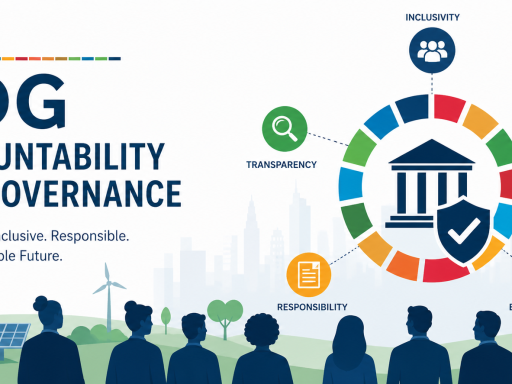



ESG reporting in Norway has emerged as a significant instrument for improving responsible corporate practices and promoting long-term economic success. Norwegian businesses operate in a governance system where openness and accountability are strongly prized. As global markets demand more ethical operations, Norwegian enterprises are implementing thorough sustainability reporting systems. These frameworks enable firms to communicate their environmental, social, and governance performance to stakeholders in an organized and transparent manner.
The growing prominence of ESG reporting in Norway reflects a larger shift in how businesses define success. Traditional financial reporting no longer gives a comprehensive view of organizational performance. Investors, regulators, and customers all want organizations to demonstrate a commitment to sustainability and ethical governance. Norway uses thorough sustainability reporting, in which corporations reveal their environmental effect, labor regulations, and governance structures. These disclosures increase stakeholder trust and facilitate long-term decision-making.
Norway’s ESG guidelines also play an important role in establishing the reporting culture. Strong regulatory regimes encourage firms to offer accurate and transparent data. Companies who adopt ESG Reporting in Norway frequently get a competitive advantage by demonstrating credibility and responsible leadership. In a transparent global economy, ESG reporting has emerged as a critical component of business responsibility and sustainable growth in Norway.
Why ESG Reporting in Norway Strengthens Corporate Accountability
Corporate responsibility is an essential component of long-term corporate development. ESG reporting in Norway increases accountability by requiring enterprises to openly explain their sustainability goals, operational practices, and governance structures. Organizations that provide transparent information help investors and regulators to better analyze business risks. This technique promotes trust and good corporate behavior.
Many organizations use digital reporting technologies to improve their sustainability reporting procedures in Norway. These tools aggregate operational data, environmental measurements, and governance indicators from several departments. The data is then organized into detailed reports that stakeholders may readily comprehend. This organized approach guarantees that ESG reporting is uniform, accurate, and verifiable.
Transparent governance measures in Norway also promote accountability. Companies must adhere to ethical guidelines while publishing sustainability statistics. Independent audits and regulatory control help to ensure the accuracy of disclosures. This openness eliminates false statements and boosts investor trust. When firms adopt transparent reporting, they demonstrate a commitment to responsible leadership. As global markets prioritize sustainability and corporate accountability, Norway gains a strategic edge. Businesses that adopt ESG reporting in Norway frequently have stronger ties with investors and consumers. This trust promotes long-term stability, responsible innovation, and sustainable development.

Norway ESG Standards and Regulatory Frameworks
Norway has created one of the world’s most robust regulatory regimes for sustainable governance. ESG reporting in Norway is guided by a framework that values transparency, ethical leadership, and environmental responsibility. Norwegian authorities urge enterprises to use globally accepted reporting standards, which ensure that sustainability disclosures are uniform and reliable.
Norway’s ESG guidelines compel enterprises to provide thorough information on their environmental performance, employment policies, and governance structures. These disclosures allow stakeholders to better understand how firms handle sustainability risks and opportunities. Companies that embrace ESG reporting comply with both national legislation and global sustainability guidelines.
Government agencies and financial regulators play a key role in supporting transparent governance practices in Norway. Policies urge corporations to include sustainability measures in their strategic planning processes. Digital reporting platforms enable enterprises to collect real-time data on energy use, emissions, and governance performance. This data-driven strategy increases reporting accuracy and accountability. Strong regulatory backing guarantees that Norway’s sustainability reporting methods are credible and dependable. Businesses gain from having clear norms and uniform standards. As a result, ESG reporting is becoming an increasingly important component of responsible corporate governance and long-term economic growth.
Traditional Reporting vs ESG Reporting in Norway
Understanding the distinction between regular corporate reporting and ESG-focused disclosures demonstrates the importance of ESG reporting. Traditional reporting is largely concerned with financial performance, but ESG reporting incorporates environmental, social, and governance measures into company appraisal.
| Feature | Traditional Corporate Reporting | ESG Reporting in Norway |
|---|---|---|
| Focus | Financial results | Environmental, social, and governance metrics |
| Transparency | Limited stakeholder access | Public sustainability disclosures |
| Decision-Making | Short-term financial outcomes | Long-term sustainability strategies |
| Governance | Compliance focused | Transparent governance Norway practices |
| Stakeholder Trust | Moderate | High due to detailed sustainability reporting |

Impact of ESG Reporting in Norway on Stakeholder Trust
The relationship between sustainability transparency and stakeholder confidence can be clearly illustrated through a simple chart.
Stakeholder Trust Level Based on Transparency
Low Transparency |████░░░░░░| 40%
Moderate ESG Transparency |██████░░░░| 65%
High Transparency (Norway) |██████████| 90%
The graph shows that ESG reporting in Norway considerably boosts confidence among investors, regulators, and customers. When organizations publish credible sustainability disclosures, stakeholders build trust in their leadership and governance methods. Transparent reporting enhances risk management. Investors may assess environmental responsibilities and governance frameworks more effectively. Customers, on the other hand, appreciate brands that practice ethical responsibility. As openness grows, businesses improve long-term connections with stakeholders and establish a solid reputation in global marketplaces.
FAQs About ESG Reporting in Norway
1. What is ESG Reporting in Norway?
ESG Reporting in Norway refers to the disclosure of environmental, social, and governance data by companies to demonstrate responsible business practices.
2. Why are Norway ESG standards important?
Norway ESG standards provide guidelines that ensure sustainability disclosures remain transparent, consistent, and reliable.
3. How does ESG reporting benefit businesses?
It strengthens stakeholder trust, improves risk management, and enhances long-term strategic planning.
4. What role does transparent governance Norway play in ESG reporting?
Transparent governance ensures that companies provide accurate sustainability data and follow ethical leadership practices.
5. Is ESG reporting mandatory for Norwegian companies?
Many organizations must follow regulatory requirements and international frameworks to ensure sustainability reporting transparency.
The Future of ESG Reporting in Norway and Sustainable Governance
The future of ESG reporting in Norway appears to be growing in importance as sustainability becomes more essential to global corporate plans. Norwegian organizations are constantly refining their reporting systems to suit the growing demands of investors, authorities, and consumers. Transparency is no longer considered an option. It has become an important aspect in determining organizational reputation and long-term success.
Advances in digital technologies are also influencing the future of sustainability reporting in Norway. Automated data collecting systems and analytics platforms enable businesses to track environmental performance in real time. These technologies improve reporting accuracy and make sustainability disclosures more understandable to stakeholders. As a result, Norway’s ESG reporting methods are increasingly efficient and data-driven.
Transparent governance measures in Norway will remain critical for ensuring accountability and ethical leadership. Businesses that implement comprehensive ESG reporting standards improve their reputation while also contributing to national sustainability goals. Corporate responsibility in Norway will consequently remain tightly linked to transparent reporting methods. In the next years, ESG reporting will continue to support responsible company development. Companies that promote transparency, sustainability, and ethical governance will help shape Norway’s resilient and sustainable business ecosystem.
Read more about Norway’s commitment to responsible business practices about ESG reporting.