
Leading the world in renewable energy is Norway. Its success stems from a unique combination of trust, innovation, and regulations. Sustainability and transparency in Norway define how the energy sector regulates and evolves. Norwegian institutions favor transparency above data concealment. This strategy strengthens long-term planning and public trust. An important part of Norway’s economy is the energy industry. Under stringent environmental regulation, oil, gas, and renewable energy coexist. Transparent reporting ensures accountability for all energy-related actions. Verified information is easily accessible to citizens, investors, and regulators. This transparency avoids greenwashing and false information.
Norway’s sustainability path reflects years of steady policy. The government coordinates climate obligations and energy development. Clear communication supports informed discussion and democratic oversight. In Norway, transparency and sustainability are not marketing strategies. These are fundamental ideas that direct creativity and decision-making. This article examines how openness in reporting, supplier chains, ESG standards, and public policy fuels sustainability in Norway’s energy industry.
Transparent Reporting as the Backbone of Norway’s Energy Sustainability
Transparent reporting anchors Norway’s sustainable energy governance. Energy corporations release comprehensive financial and environmental statistics. These disclosures follow strict national and international guidelines. Clarity, precision, and consistency in reporting procedures are essential for sustainability and transparency in Norway. Energy companies in Norway are transparent about emissions, energy production, and climate threats. This transparency enables public inspection and independent audits. Investors use this information to evaluate long-term risk. Policymakers rely on it to refine rules. Because information is still available, communities have faith in energy operators.
The table below highlights reporting quality differences:
| Reporting Approach | Public Trust | Climate Accountability |
|---|---|---|
| Limited disclosure | Low | Weak |
| Partial transparency | Medium | Moderate |
| Full transparency | High | Strong |
Transparent reporting also enhances internal performance. When data remains available, teams are better able to monitor progress. In Norway, sustainability and openness transform reporting from a burden of compliance to a strategic advantage. This transparency promotes responsible energy production and ongoing enhancement.
Ethical and Traceable Supply Chains in the Energy Industry
Supply chains have an impact on social and environmental results. Norway supports ethical sourcing and traceability. In Norway, sustainability and transparency go beyond the generation of energy to include logistics and purchase. Companies must verify suppliers and supplies thoroughly. Traceable supply chains lessen damage to the environment. Additionally, they safeguard biodiversity and labor rights. Digital tracking techniques improve visibility in intricate networks. Companies disclose sourcing information freely with authorities and stakeholders. This openness strengthens every step of accountability. Key benefits of transparent supply chains include:
- Faster response to disruptions
- Reduced environmental risk
- Ethical labor compliance
Norwegian energy companies work with suppliers to fulfill sustainability requirements. Contracts include environmental and social standards. Compliance is verified by independent audits. Sustainability and transparency in Norway guarantee that supply chains complement national climate objectives. In international marketplaces, ethical sourcing increases trust and resilience.
ESG Integration and Corporate Accountability in Norway
ESG frameworks guide responsible energy governance. Norwegian businesses incorporate ESG concepts into strategy and operations. Sustainability and transparency in Norway guarantee that ESG disclosures accurately represent reality rather than perception. Businesses provide information on social effect, governance, and emissions. These disclosures adhere to precise rules and are nevertheless available to the general public. Stakeholders can compare the performance of different businesses thanks to transparency. Investors prefer companies that consistently report on ESG issues.
ESG disclosure quality comparison:
| ESG Practice | Investor Confidence | Long-Term Value |
|---|---|---|
| Minimal ESG data | Low | Uncertain |
| Selective disclosure | Medium | Limited |
| Full ESG transparency | High | Strong |
Transparent ESG reporting fuels accountability. Leadership groups match sustainability goals with rewards. Gaps in performance become apparent and actionable. In Norway, sustainability and openness turn ESG from a reporting exercise into an instrument for governance that facilitates the long-term energy transition.
Government Policies Driving Transparency and Sustainability
The government of Norway is crucial. Transparency and sustainability are enforced across the energy industry via policies. Sustainability and transparency in Norway benefit from transparent regulatory structures. Environmental evaluations and transparent reporting are mandated by authorities. Energy data is routinely released by public agencies. Information on emissions, income, and climate effect is available to the public. This transparency promotes democratic monitoring and confidence. Additionally, regulations set clear standards for business behavior.
The following are examples of government actions:
- Mandatory sustainability reporting
- Public climate data portals
- Independent regulatory oversight
These actions match national climate goals with energy development. Transparency lowers the danger of corruption and ambiguity in policy. Norway’s sustainability and transparency are indicative of a governance approach that strikes a balance between environmental responsibility and economic prosperity. Robust mechanisms guarantee that sustainability pledges result in quantifiable results.
Energy Companies Leading Through Sustainability and Transparency in Norway
Norwegian energy firms are essential in establishing sustainability standards. Strict transparency regulations govern the operations of companies like as Equinor, Statkraft, and Aker BP. These businesses report, invest, and develop based on Sustainability and Transparency in Norway. They release reliable statistics on climate danger, emissions, and the growth of renewable energy. Equinor incorporates sustainability throughout each stage of a project. The business disseminates comprehensive transition strategies and climate roadmaps. Statkraft prioritizes open impact reporting and renewable energy. Stakeholders are able to evaluate progress with clarity thanks to these disclosures. In international marketplaces, transparency increases a company’s reputation.
Transparency at the corporate level also fosters teamwork. Businesses collaborate with communities, researchers, and regulators. Innovation and decision-making are enhanced by open communication. Norway’s business leadership is in line with the country’s climate goals thanks to sustainability and openness. These businesses demonstrate how transparency promotes both financial success and environmental stewardship.
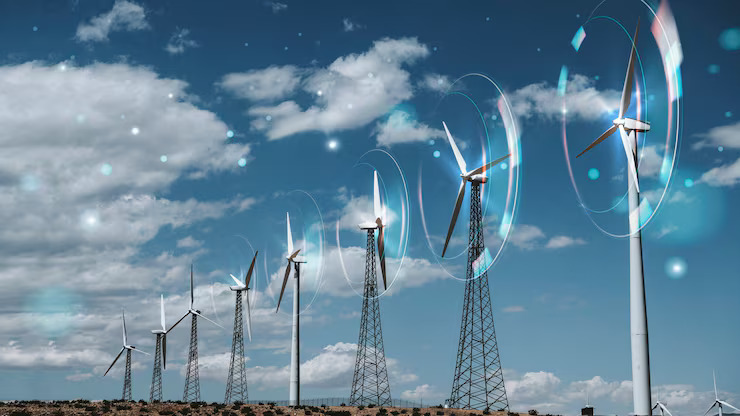
Challenges and Future Opportunities for Norway’s Energy Sector
Despite significant advancements, difficulties still exist. Economic and societal pressures are brought about by the energy transition. To meet evolving global expectations, Sustainability and Transparency in Norway must change. Careful planning is necessary for offshore development, grid expansion, and renewable integration. Additionally, data complexity rises. Companies manage rising quantities of sustainability information. There are reporting requirements for smaller vendors. Digital technologies, however, provide answers. Complexity is decreased via automation, common platforms, and standardized frameworks. Future opportunities remain strong:
- Stronger EU and Nordic cooperation
- Expansion of offshore wind
- Smarter energy grids
During transitions, transparency fosters creativity. Early risk identification is aided by open data. Additionally, it increases public support for change. As Norway’s energy industry moves toward a low-carbon future, sustainability and openness will continue to be crucial.
Top 5 Google Questions About Sustainability and Transparency in Norway
1. Why is transparency important in Norway’s energy sector?
Transparency builds trust and ensures accountability.
2. How does Norway regulate energy sustainability?
Through strict reporting laws and environmental oversight.
3. Which companies lead sustainability efforts in Norway?
Equinor and Statkraft rank among the leaders.
4. How does transparency support ESG goals?
It ensures ESG data reflects real performance.
5. Can other countries copy Norway’s model?
Yes, but strong institutions are essential.
Conclusion: Sustainability and Transparency in Norway
The key to Norway’s energy success is trust. Openness fosters trust. Sustainability and Transparency in Norway Link Climate Ambition to Actual Results. Accountability is ensured via ethical supply chains, transparent reporting, and robust ESG governance. This paradigm is strengthened by government leadership. Corporate activity is governed by explicit regulations. Citizens are empowered by public data access. Businesses react with creativity and accountability. Long-term economic worth is likewise safeguarded by transparency. Norway provides a road map as the world’s energy systems change. Openness increases resilience and lowers risk. Norway’s sustainability and openness demonstrate that sustainability is most effective when activities are still visible. Transparency is not an optional feature. It is the cornerstone of long-lasting influence.