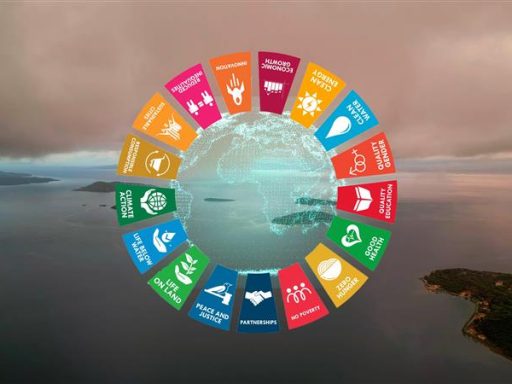



In Scandinavia, Sustainable Christmas 2025 is about celebrating responsibly rather than just enjoying the holiday season, which has significant cultural significance worldwide. Denmark, Sweden, and Norway combine traditional Yuletide customs with eco-friendly methods that lessen waste and their negative effects on the environment. During the Christmas season, these countries prioritize sustainability, simplicity, and a sense of community. To make their festivities happy and eco-friendly, people in the north choose natural materials, regional cuisine, low-waste gift-giving, and reusable décor. Green practices like biodegradable decorations and seasonal feasts made with local products are a perfect fit for Scandinavian design ideals, which are warm, straightforward, and functional.
Sustainable Christmas 2025 in Scandinavia demonstrates how tradition may change without losing cultural diversity as the globe gets ready for the 2025 holidays. This approach redefines what it means to celebrate the season, from presents that emphasize experience over abundance to actual trees that are obtained sustainably. These nations encourage global transformation by adopting sustainability.
Natural & Biodegradable Holiday Style
In Scandinavia, holiday décor is more about nature and workmanship than it is about gaudy plastic or glitter. Using natural materials as decorations, such as spruce branches, birch twigs, pinecones, and dried berries, is a traditional component of a Sustainable Christmas 2025. In keeping with Norway’s idea that “our homes are an echo of the outdoors,” these natural products offer warmth and texture to homes without creating trash. Scandinavian houses are minimalist; mass-produced material is replaced with layered textures, paper stars, wooden decorations, and neutral hues. Many families use long-lasting, multipurpose decorations like knitted garlands and handcrafted straw ornaments every year.
Nordic design trends show that up to 78% of Scandinavian homes refurbish or reuse decorations annually, greatly lowering holiday waste. In addition to reducing waste, this straightforward, organic style creates welcoming environments that are based on Scandinavian “hygge,” or a feeling of coziness and community. Eco-friendly décor is a tradition and an art form for Sustainable Christmas 2025, bringing people closer to culture and the natural world.
Rethinking Presents Thoughtfully
Christmas is all about exchanging gifts, but the joy of giving may be overshadowed by quick consumption and excessive packing. Scandinavia is focusing on intention rather than quantity for a sustainable Christmas in 2025. Instead than purchasing mass-produced goods, many families choose handmade presents, locally manufactured goods, or experiences. Products that emphasize quality and sustainability include handcrafted jewelry, traditional wool clothing, organic skincare products, and artisanal fabrics. Experience gifts, like concert tickets, museum passes, culinary lessons, or outdoor activities, are becoming more and more popular in Norway, Sweden, and Denmark since they foster memories rather than clutter.
Reusable or eco-certified packaging is another aspect of a sustainable gift mindset. Reusable fabric wraps, cloth gift bags, or recycled paper combined with natural twine are alternatives to single-use wrapping paper. The goals of Sustainable Christmas 2025—intentional gifting, little waste, and thoughtful consumer choices that honor tradition and have a beneficial environmental impact—are reflected in these actions, which reduce landfill trash.
Sustainable Trees & Green Home Rituals
The Christmas tree is a defining feature of Scandinavian Christmas, and the choice of tree is important for Sustainable Christmas 2025. Because they naturally decay and prevent microplastic contamination, real trees—especially those that are acquired locally—are often chosen over plastic substitutes. (Sustainable Christmas 2025 promotes the use of genuine wood from local farms whenever feasible in order to lower transportation-related emissions and support regional ecosystems.) For instance, Christmas trees in Norway are frequently cultivated with little fertilizer and pesticide, and cutting one with a landowner’s consent enhances the custom. Many families recycle or compost their trees after the holidays to use them as mulch or animal housing.
Reusable lanterns and “hygge” lighting, which uses beeswax or soy candles rather than electric string lights to create a cozy atmosphere without taxing the grid, are other home traditions. Potted evergreen branches that may be replanted at the end of the season are used by some families as decorations. Sustainable Christmas 2025 reduces waste and promotes environmental awareness by centering holiday customs around communities and the natural world. As a result, customs are based on sustainability rather than consumerism, and households feel merry without going overboard.
Scandinavian Holiday Foods
Norway, Sweden, and Denmark have rich Christmas culinary customs that may be modified to align with the ideals of Sustainable Christmas 2025. Local fish, root vegetables, berries, and whole-grain bread are frequently seen on Scandinavian winter meals; these foods may be tasty and inexpensive for the environment. Local, seasonal food supports regional farmers and lessens the carbon footprint of transportation. Seasonal eating and community ties are strengthened by the use of locally grown or harvested items in traditional dishes like pickled salmon, roasted root vegetables, and berry sweets.
Scandinavian festivities sometimes feature less processed foods such whole grains, legumes, or foraged herbs, as well as sweets that highlight regional berries and spices. Reducing excessive intake of meat, a high-impact meal, or focusing on plant-based substitutes can also support the goals of Sustainable Christmas 2025. Holiday feasts become celebrations of culture and conscientious consumerism when families share meals made with mindful sourcing, which inspires them to consider sustainability as part of their culinary traditions.
Minimalist Gift Wrapping & Reusable Packaging Innovations
Conventional wrapping paper for holidays frequently ends up in landfills. According to studies, the average amount of gift wrap used countrywide might be wasted on a global scale. Scandinavians use reusable or recyclable gift wrap instead of single-use items during Sustainable Christmas 2025 celebrations. For instance, unlike many glossy gift wrappers that include plastic, gray kraft paper may be recycled with paper trash. Gift bags made of fabric, cloth scarves, and furoshiki wrapping, a type of Japanese wrapping made of fabric, are becoming more and more common.
Twine, organic cotton bags, reusable ribbons, and ornamental items like felt decorations, dried orange slices, or pinecones add appeal and cut down on waste. In addition to being aesthetically pleasing, Sustainable Christmas 2025 aims to reduce one-time consumption and expand tradition via yearly displays. These eco-friendly packaging concepts, which embody Scandinavian design principles of simplicity, elegance, and sustainability, move the emphasis from ostentatious paper to meaningful display.
Experiences & Community Traditions Over Consumerism
Holidays are frequently seen by Scandinavians as a time for connection rather than consumerism. Prioritizing communal customs and experiences over extravagant material presents is a major theme of Sustainable Christmas 2025. Families can sing songs in public places, attend Christmas markets, take part in neighborhood tree lighting ceremonies, or engage in seasonal customs like Lucia processions. These encounters promote camaraderie and group enjoyment without going overboard. In many places, neighbors host get-togethers for meals or workshops to create natural holiday décor.
The idea that the outdoors is an extension of home is reflected in Scandinavian customs, which also involve yearly get-togethers for harvesting festive foods or decorating with what nature has to give. (This is in line with Norwegian design principles, which recommend that houses “echo” natural environments.) The holiday story is reframed by Sustainable Christmas 2025 to emphasize community and heritage rather than shopping. These worthwhile endeavors enhance cultural identity, lessen environmental impact, and make the season unforgettable.

Traditional vs Sustainable Christmas Practices
Here’s a comparison highlighting the difference between conventional holiday activity and the Sustainable Christmas 2025 approach:
| Celebration Aspect | Traditional Approach | Sustainable Christmas 2025 |
|---|---|---|
| Tree Choice | Artificial or imported tree | Local real tree, composted after use |
| Decorations | Plastic ornaments + glitter | Natural wood, straw, felt & DIY |
| Gift Giving | Many store-bought wrapped presents | Eco-friendly gifts + experiences |
| Gift Wrapping | Glossy paper + plastic ribbons | Fabric wraps, twine, recycled paper |
| Holiday Meals | Imported foods, heavy processing | Local, seasonal, low-waste menus |
| Lighting | Electric lights only | Candles, LED lights, solar lanterns |
| Activities | Mass consumption events | Community rituals, local festivities |
| Waste Generation | High waste output | Low-waste practices |
| Traditions | Focus on material gifts | Focus on stories, culture, community |
| Environmental Impact | Higher carbon + waste | Lower emissions + conscious living |
Practical Tips for a Zero-Waste Holiday Season
Sustainable Christmas 2025 may begin with modest, doable actions that have a significant impact. First, steer clear of glitter, which is basically microplastic, and instead for recyclable or locally sourced décor. Present items in reusable ornamental tins, cloth bags, or recyclable paper. Consider longevity and purpose when giving gifts; pick durable, locally produced, or artist-supported things. Serve a seasonal, regional holiday cuisine. Cut back on meat consumption and emphasize plant-based sides and desserts that highlight local foods. For warmth and reduced energy use, choose LED or candles for illumination. When shopping for the holidays, bring your own tote bags and steer clear of single-use plastics at events and markets.
Lastly, establish a “one meaningful gift” policy for family members or substitute experiential gifts or charity contributions for material possessions. These recommendations contribute to the accessibility, impact, and joy of Sustainable Christmas 2025.
Sustainable Christmas 2025 — Common Questions
What is Sustainable Christmas 2025?
Sustainable Christmas 2025 refers to eco-friendly holiday practices that reduce waste, prioritize responsible consumption, and celebrate community and culture in Norway, Sweden, and Denmark.
2. How do Scandinavians decorate sustainably?
Scandinavian decorations use natural materials like wood, straw, and pinecones, and prioritize reused or biodegradable items.
3. What makes Scandinavian gift giving different?
Scandinavians focus on thoughtful, local, or experiential gifts rather than mass purchases — aligning with Sustainable Christmas 2025 values.
4. Why choose real trees for Sustainable Christmas 2025?
Real trees from local farms create fewer emissions than plastic ones and can be composted after use.
5. How can I reduce holiday food waste?
Plan meals around local, seasonal ingredients, make portion plans, and compost food scraps to align with waste-reducing strategies of Sustainable Christmas 2025.
A Holiday That Honors People and Planet
Sustainable Christmas 2025 demonstrates how Scandinavia is reimagining holiday customs with cultural diversity, care, and purpose. These methods, which have their roots in natural materials, eco-friendly consumerism, neighborhood festivals, and ethical gift-giving, give the season significance without going overboard. Norway, Sweden, and Denmark provide a model that the rest of the world might follow as they prioritize experiences above material possessions, locally produced food, and simple Christmas décor. Caring for family, culture, and the environment collectively is the goal of a sustainable Christmas rather than perfection. Let Sustainable Christmas 2025 help you make decisions this holiday season that are cozy, considerate, and environmentally friendly.