


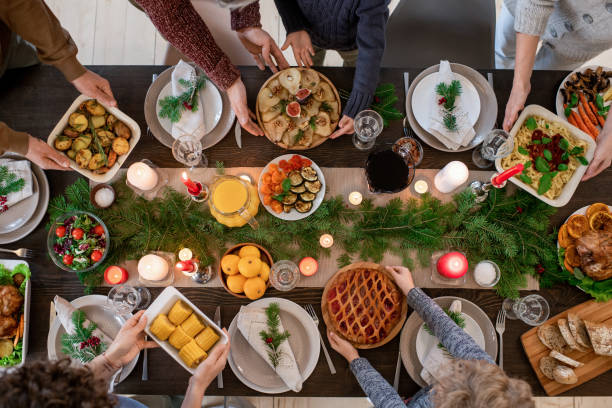
Christmas dinners are a great way to unite families, but they also leave a significant carbon imprint. In response to this dilemma, sustainable Christmas food 2025 rethinks the preparation and planning of festive dinners. Christmas food in Scandinavia already demonstrates reverence for the natural world, the changing seasons, and regional communities. Simple materials, meticulous preparation, and little waste are key components of Nordic culinary traditions. This method preserves rich tastes while promoting environmental balance.
Climate consciousness still influences food choices in 2025. Nowadays, families search for methods to celebrate without going overboard. Plant-forward diets, seasonal cooking, and local sourcing are key components of eco-friendly cuisine. These methods cut down on food waste and pollution. Additionally, they help local farmers and promote wellness. Scandinavian cuisine demonstrates that eating sustainably does not diminish happiness at the table. Rather, it makes the holiday season more meaningful and connected.
Nordic Food Philosophy Behind Sustainable Christmas Meals
Sustainable Christmas food 2025 ideas align perfectly with Nordic cuisine. Simplicity, harmony, and reverence for natural cycles are important aspects of Scandinavian cuisine. Meals prioritize high-quality ingredients over extensive processing. Cooking seasonally lessens reliance on imported ingredients. Local seafood, root vegetables, cereals, and preserved products dominate winter diets. This strategy promotes food security while reducing carbon emissions. Nordic customs also place a strong emphasis on shared meals and thoughtful quantities. In Scandinavia, Christmas meals are rarely characterized by overconsumption.
Rather, meticulous preparation guarantees that food feeds without being wasted. These principles provide as inspiration for sustainable Christmas food 2025. Food has greater significance when it mirrors its surroundings. Tradition and sustainability may coexist, as demonstrated by Nordic philosophy. It produces meals that have a sense of celebration, responsibility, and place.
Plant-Forward Christmas Menus Inspired by Scandinavia
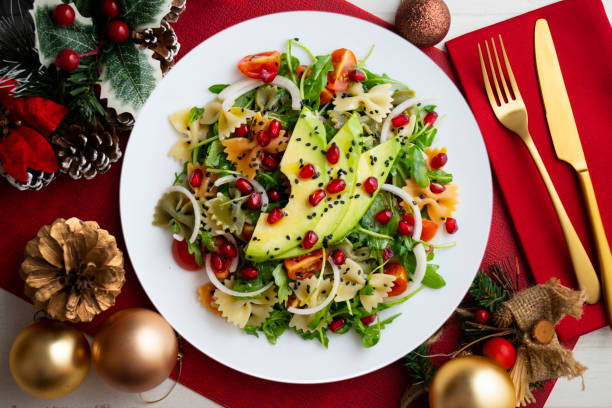
A major component of Sustainable Christmas Food 2025 is plant-forward eating. Vegetables, grains, legumes, and mushrooms are becoming more and more prominent on Scandinavian holiday meals. Nordic winters are ideal for root crops including potatoes, carrots, and beets. Compared to meat, these foods need less energy to create. They also reduce food waste since they keep well. Nowadays, plant-based versions of traditional cuisines preserve recognizable tastes. Barley salads, lentil breads, and mushroom gravies replace heavy meat meals. This change lessens the dominance of animal products but does not completely eradicate them. Green food 2025 promotes harmony as opposed to limitation. Plant-forward diets enhance nutrition and reduce pollution. They also enable innovative cooking. Vegetables may take center stage without compromising comfort or tradition, as demonstrated by Scandinavian cooks.
Local Sourcing: Supporting Regional Farmers and Fisheries
In Nordic nations, sustainable food is defined by local sourcing. Scandinavian homes place a high value on locally produced foods. This method lowers transportation emissions and shortens supply chains. Winter vegetables, cereals, and dairy are provided by nearby farms. Responsibly procured seafood is essential in coastal areas. Pickling and fermenting are examples of seasonal preservation techniques that increase the availability of ingredients. These methods lessen reliance on imports. Sustainable Christmas Food 2025 enhances food resiliency and boosts regional economy. Additionally, purchasing locally boosts trust and transparency. Customers are aware of the origins and production process of their food. Nordic Christmas dinners reflect this relationship. When people source food locally, they turn it into a community endeavor rather than a worldwide transaction.
Seasonal Ingredients That Shape Nordic Christmas Cuisine
Seasonality guides Sustainable Christmas Food 2025. Scandinavian winters limit fresh fruit, yet this challenge spurs ingenuity. Root vegetables, cabbage, apples, berries, and preserved herbs dominate holiday dinners. Local growers produce these ingredients nearby, and they keep well. Eating seasonally lowers the energy consumption of long-distance transportation and greenhouses. Instead of imposing diversity, Nordic cooks welcome what nature has to give. These culinary festivals or get-togethers encourage respect for seasonal boundaries. This way of thinking enhances sustainability and increases appreciation for food. Because they only happen once a year, seasonal foods have a unique flavor. Additionally, they link families to the cycles of nature. Seasonality promotes flavor, tradition, and environmental responsibility, as seen by Scandinavian Christmas food.
Reducing Food Waste During Christmas Celebrations
Food waste is still a big problem around the holidays. This is addressed in Sustainable Christmas Food 2025 through thoughtful preparation and cooking. Portions are precisely planned in Scandinavian families. It is expected that leftovers would be creatively used. Smörgåsbord customs promote diversity and smaller portions. Vegetable leftovers are used to make stews or soups. Bread becomes croutons or puddings. Full ingredient utilization is encouraged in Sustainable Christmas Food 2025. Bones, stems, and peels are frequently added to stocks. In Nordic households, composting is also important. These methods lower emissions and trash going to landfills. Reducing food waste results in financial and resource savings. It also honors the labor involved in producing food.
Traditional Nordic Dishes with a Sustainable Twist
Many traditional recipes may be readily converted to sustainable Christmas cuisine in 2025. Conventional recipes change without becoming less distinctive. Vegetable servings increase while meat portions decrease. In many meals, fish takes the role of red meat. Legumes and grains improve nutrition and texture. The influence on the environment is lessened by these modifications. Tradition is not rejected by eco-friendly Christmas cuisine in 2025. It improves it. Scandinavian chefs respect tradition while adapting techniques. This equilibrium maintains the vitality and relevance of culinary culture. Traditions are maintained without endangering the environment thanks to sustainable twists.
Comparison Table
| Aspect | Traditional Feast | Sustainable Christmas Food 2025 |
|---|---|---|
| Ingredient Source | Imported | Local and regional |
| Menu Focus | Meat-heavy | Plant-forward |
| Food Waste | High | Minimal |
| Seasonality | Ignored | Respected |
| Environmental Impact | High | Reduced |
| Cost Efficiency | Lower | Improved |
Practical Tips for Hosting a Climate-Conscious Feast
Planning is the first step in hosting Sustainable Christmas Food 2025. Create meals that highlight in-season vegetables. Cut back on the amount of meat. Purchase regional ingredients. Assemble reasonable amounts. Properly store food. Utilize leftovers in novel ways. Compost trash that cannot be avoided. Encourage visitors to make sustainable decisions. These actions increase impact without diminishing enjoyment. Every household can achieve sustainable food. When together, little adjustments produce significant outcomes.
Top 5 Google Questions About Sustainable Christmas Food 2025
1. What is Sustainable Christmas Food 2025?
It focuses on climate-friendly holiday meals using seasonal, local, and low-waste ingredients.
2. Is plant-based Christmas food traditional in Scandinavia?
Yes. Vegetables and grains have long played key roles.
3. How can I reduce food waste at Christmas?
Plan portions and reuse leftovers.
4. Does sustainable food cost more?
No. Local and seasonal foods often cost less.
5. Can sustainable meals still feel festive?
Absolutely. Flavor and tradition remain central.
Conclusion
Sustainable Christmas Food 2025 demonstrates how Nordic customs inform eco-friendly festivities. Meaningful feasts are produced through plant-forward cuisine, local sourcing, seasonal foods, and waste minimization. These customs maintain cultural warmth while safeguarding the environment. Scandinavian food demonstrates how tradition is enhanced by sustainability. Christmas dinners turn into deeds of kindness and accountability. Families celebrate with pleasure and purpose when they embrace these concepts. Green food concepts encourage everyone to eat thoughtfully and respect the environment.