


Climate action 2025 appears to be a crucial turning point as global climate concerns increase. Before the new decade starts, governments, communities, and businesses are pressing for revolutionary climate-smart measures. Reducing greenhouse gas emissions, implementing renewable energy, bolstering resilience, and raising funds for adaptation and mitigation are the objectives of climate action. Rising extremes, such as heat waves, floods, storms, and biodiversity loss, all call for a strong response. Countries lay the groundwork for a cleaner, safer future by taking action now. Climate action 2025 is in line with international frameworks that aim for net-zero emissions by the middle of the century and reflects global pledges under revised national climate plans. In this article, we look at how carbon reduction programs, renewable energy, and adaptive strategies work together to create climate-smart communities that are prepared for the challenges that lie ahead.
Renewable Energy Projects Powering the Transition
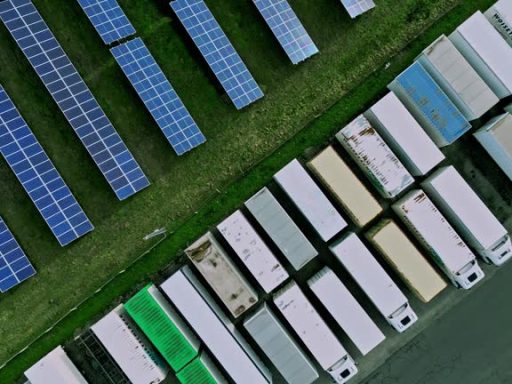
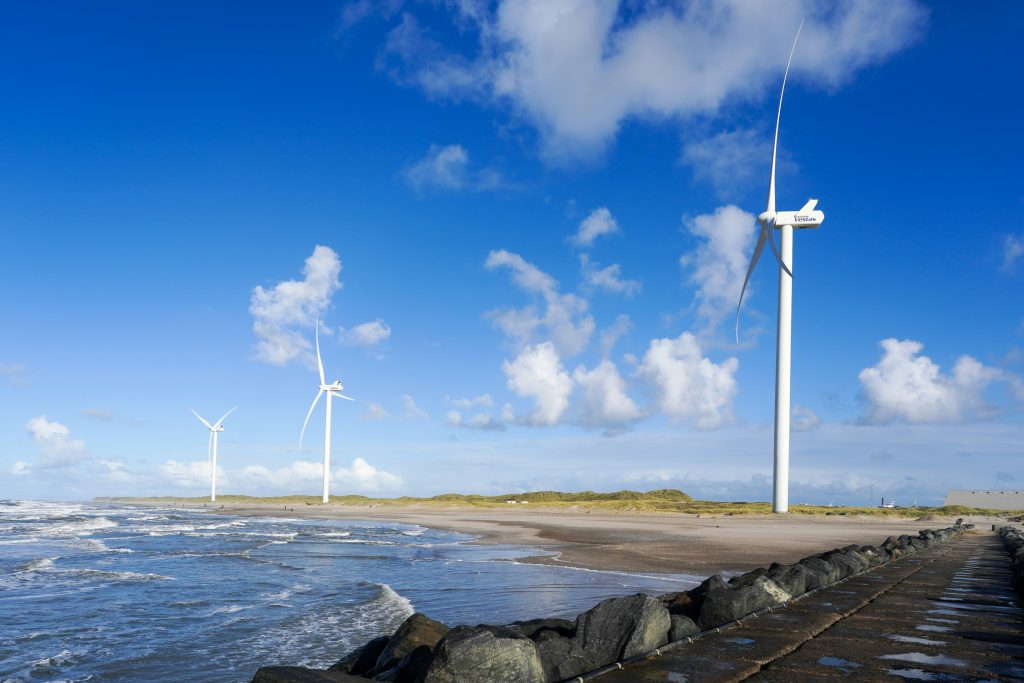
Increasing the use of renewable energy is a fundamental component of climate action. Fossil fuels must be replaced with renewable energy sources including solar, wind, hydro, and other clean technologies. To fulfill their increasing climate pledges, nations all over the world are announcing the construction of new wind farms, solar parks, and off-grid sustainable energy systems. For instance, a number of EU financial institutions, such as InvestEU, allocate significant funds to clean infrastructure and sustainable energy.
In addition to significantly reducing carbon emissions, renewables eventually lower energy costs and lessen dependency on the erratic fossil fuel markets. Additionally, clean energy initiatives foster innovation and provide green jobs. As a result of this move, investment flows and public policy are favoring the deployment of renewable energy sources and improvements in energy efficiency. Cleaner air, more reliable access to power, and resilience during climatic disasters are all advantageous to communities. Any climate policy must include the energy transition as it forms the foundation of low-carbon, sustainable economies ready for future change.
Carbon Reduction & Emissions Control Strategies
Another essential element of climate action 2025 is the large-scale implementation of carbon reduction. To reduce emissions, governments and businesses are combining technology adoption, regulations, and carbon price schemes. For example, more stringent rules on industrial pollution, incentives for low-carbon practices, and emissions trading systems are being expanded. Emission goals in Europe are designed to drastically reduce greenhouse gas emissions by 2030 and beyond. In order to lessen their carbon footprint, industries that are challenging to decarbonize, such as steel, cement, and heavy industry, are investigating carbon capture and storage (CCS), increased energy efficiency, and material recycling.
Comparison of Emissions Pathways under Climate Action 2025
| Pathway Type | Typical Emissions Trend | Climate Action 2025 Outcome |
|---|---|---|
| Business-as-usual (fossil-based) | Rising or stable emissions | High ongoing emissions |
| Renewables + Efficiency | Reduced emissions gradually | Significant emissions drop |
| Full mitigation + CCS | Rapid emissions decline | Moves toward net-zero |
Climate Adaptation & Resilience
Climatic action 2025 also highlights resilience-building adaptive options as climatic extremes rise. Communities are better equipped to resist storms, droughts, floods, and increasing sea levels thanks to these precautions. Reforestation, wetland restoration, protecting coastal mangroves, and soil conservation are examples of nature-based solutions that provide efficient carbon sinks and disaster buffers. As climate extremes increase, this is also emphasizes adaptive solutions that improve resilience. By taking these steps, communities are better prepared to withstand storms, droughts, floods, and rising sea levels. Natural solutions that offer effective carbon sinks and disaster buffers include reforestation, wetland restoration, safeguarding coastal mangroves, and soil protection.
As climate extremes increase, this is also emphasizes adaptive solutions that improve resilience. By taking these steps, communities are better prepared to withstand storms, droughts, floods, and rising sea levels. Natural solutions that offer effective carbon sinks and disaster buffers include reforestation, wetland restoration, safeguarding coastal mangroves, and soil protection.
Financing & Policy Instruments Driving Climate Action 2025
Without funding and supportive legislative frameworks, no climate strategy can be successful. Climate action 2025 allocates billions to clean energy, climate mitigation, adaptation, and research through financial mechanisms such as the EU’s sustainable investment programs (such as InvestEU, LIFE, and Horizon Europe). Carbon pricing, regulatory requirements, renewable energy subsidies, emissions limits, and industry decarbonization standards are examples of policy instruments. As seen by the most recent national plans approved in 2025, governments all over the globe update their climate plans to reflect more stringent climate targets and legally mandated carbon budgets.
Private investment is also drawn to clean infrastructure, renewable energy projects, and community resilience through public-private partnerships, green bonds, and climate funds. Under Climate Action 2025, these investments facilitate the broad adoption of climate-smart solutions by de-risking green initiatives and filling financial shortfalls.
Community Engagement & Grassroots Action for Climate Action
Both grassroots participation and high-level policy are necessary for effective climate initiatives. Tree planting, local renewable energy installations, waste management reforms, sustainable agriculture, and public awareness efforts are all encouraged under climate action 2025. These initiatives promote local ownership of climate goals and strengthen social resilience. People take engage in community energy cooperatives, wetland restoration, and forestry campaigns in numerous areas. By strengthening food and water security, boosting biodiversity, and expanding carbon sinks, these initiatives support national climate pledges. Involving residents and utilizing local expertise guarantees that climate policies are long-lasting, relevant, and acceptable locally.
Furthermore, the impact of larger initiatives is increased by education and behavior modification, such as cutting waste, adopting public transportation, or conserving energy. Involving communities becomes a crucial strategic pillar under climate activity 2025, bridging the gap between daily activity and policy.
Technology & Innovation
The scope and efficacy of Climate Action 2025 are accelerated by technological and innovative advancements. Solar, wind, and battery storage are examples of clean energy sources that are getting increasingly economical and efficient. Techniques for removing carbon, such direct air capture, carbon capture and storage (CCS), and sustainable bioenergy, are becoming more popular. Better climate modeling, early warning systems, smart grids, and effective resource management are made possible by digital technologies, data analytics, and artificial intelligence. Low-carbon materials, resilient agriculture, and climate-smart infrastructure are all supported by research grants and innovation programs. Investing in innovation under climate action guarantees that climate plans change, grow, and adapt over time, transforming long-term objectives into workable solutions. With the help of technology, the climate transition is no longer a burden but rather a chance for employment, growth, and sustainable development.

Challenges & Risks Facing
Climate Action 2025 faces a number of challenges despite its increasing momentum. Funding shortages, political opposition, regulatory hold-ups, and infrastructural constraints—particularly in poorer nations—are some of the main obstacles. Progress can be impeded by industry’ delayed adaptability, vested interests, and reliance on fossil fuels. Adoption of sustainable energy without grid upgrading has the danger of creating bottlenecks and reliability problems, which would undermine the advantages in industries like transportation electrification.
Another issue is climate justice: if sufficient protections are not in place, disadvantaged people may be left behind or suffer disproportionately throughout the transition. Overall success may be hampered by social disparities in financing, adaption strategies, or access to renewable energy. Missed goals and heightened climate vulnerability may also result from an over-reliance on untested technology, a delay in taking action, or lax enforcement. To guarantee that climate initiatives have a significant impact, it is imperative to address these issues as soon as possible.
What Success Looks Like: Metrics & Milestones for Climate Action 2025
Progress must be measured. Clear criteria and benchmarks are included in Climate Action 2025 to monitor progress in the areas of renewable energy, carbon reduction, adaptation, and resilience. Among the important indications are:
- Renewable energy’s proportion in the country’s energy mix
- Decrease in carbon gas emissions over baseline years
- The quantity of communities equipped with climate-resilient infrastructure
- Reforestation and natural methods are used to repair the area.
- Quantity of carbon absorbed or stored via carbon capture systems (CCS) or natural carbon sinks
Milestones by 2025 – 2030
- In many investing nations, the percentage of renewable energy is greater than 40–50%.
- National pledges to reduce emissions by 30–50% compared to 2020 levels
- Significant expansion of adaptation initiatives in susceptible areas
Policymakers and stakeholders can assess efficacy and modify plans by comparing data across time and geographical areas. Climate action 2025 is more responsible and goal-oriented thanks to transparent reporting and monitoring.
Seizing the Moment with Climate Action 2025
There has never been a more pressing need to address climate change. A crucial window to guide global civilization toward a more secure, resilient, and sustainable future is provided by climate action 2025. Bold action is required in this era: increasing the use of renewable energy, reducing carbon emissions decisively, adapting to climate change, deploying technology, involving the community, and having strong governance.
Even if there are still obstacles to overcome, the resources, funding, determination, and worldwide agreement are coming together like never before. Coordination, openness, and a common commitment across nations, industries, and communities will be necessary for climate action to be successful.