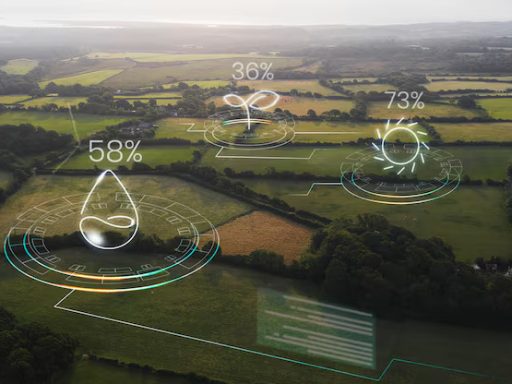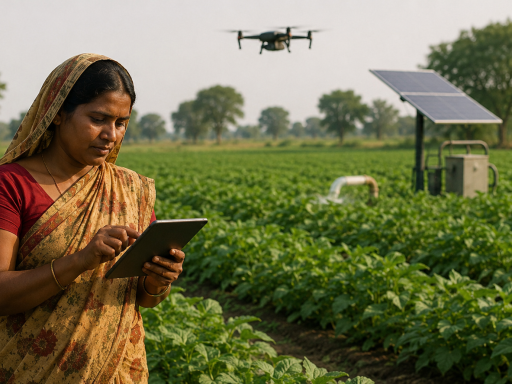



Through the integration of cutting-edge technology and sustainability principles, digital innovation in Norway is revolutionizing the nation’s economic future. Although Norway has long been renowned for its natural resources and capable government, it is now just as well-known for its data-driven tactics and environmentally friendly digital solutions. Businesses in Norway have been able to optimize operations while lessening their environmental effect thanks to the incorporation of digital technologies into the business ecosystem. This change is not a coincidence. National policies, wise investments, and progressive leadership that put long-term prosperity ahead of immediate benefits serve as its compass.
Norway’s drive for digital innovation is indicative of a larger dedication to sustainable technology policies. Businesses are aggressively changing established sectors with cloud-based platforms and AI-powered energy management solutions. Initiatives for digital transformation in Norway are facilitating resilience, efficiency, and transparency. Businesses in Norway are coordinating digital growth with environmental responsibility as green innovation picks up speed. In order to fortify Norway’s business environment and guarantee future-ready economic development, this paper examines the intersections of innovation, governance, and sustainability.
How Digital Innovation in Norway Strengthens the Norway Business Ecosystem
Collaboration between government agencies, entrepreneurs, academic institutions, and international corporations is essential to the success of Norway’s economic environment. Through open-data platforms and shared digital infrastructure, digital innovation in Norway is essential to bringing various stakeholders together. Companies use IoT, automation, and artificial intelligence (AI) to cut waste and optimize supply chains. These enhancements save operating expenses while raising productivity. While maintaining environmental norms, regulatory frameworks also promote innovation.
Norway’s digital transformation techniques have brought modernity to sectors including energy production, aquaculture, and marine transportation. Predictive analytics is used by businesses to estimate demand and maximize resource use. This proactive strategy boosts competitiveness in international markets while lowering carbon emissions. Initiatives from Sustainable Technology Norway also assist startups who are developing climate solutions. Funding and mentorship are offered by incubators and innovation hubs. Therefore, digital innovation in Norway makes sure that social responsibility and environmental care are in line with economic progress.
Traditional vs Digitalized Business Models in Norway
| Aspect | Traditional Model | Digitally Innovative Model |
|---|---|---|
| Resource Use | Manual tracking | AI-based optimization |
| Energy Efficiency | Fixed systems | Smart energy management |
| ESG Reporting | Annual manual reports | Real-time data dashboards |
| Collaboration | Limited networks | Integrated digital platforms |
| Environmental Impact | Reactive measures | Predictive sustainability planning |
Sustainable Technology Norway: Smart Infrastructure and Clean Energy
Initiatives from sustainable technology Norway show how digital technologies may promote growth while lessening their negative effects on the environment. Infrastructure management is changing as a result of digital twins, sensor-based monitoring systems, and smart grids. Energy suppliers in Norway use digital innovation to evaluate usage trends and instantly balance supplies. This stabilizes the integration of renewable electricity and lowers energy waste. Predictive analytics and automated controls are advantageous for clean energy technologies, such as offshore wind and hydropower optimization systems.
Policies for digital transformation in Norway incentivize companies to make investments in energy-efficient equipment. Industrial facilities, for instance, use IoT devices to monitor pollutants and enhance efficiency. These solutions allow businesses to remain profitable while adhering to stringent environmental regulations. Circular economy approaches are also promoted by Norway’s green innovation initiatives. To reduce material waste, digital platforms link recyclers and suppliers. The cumulative effect of these projects demonstrates that digital innovation in Norway is a means of achieving both technological advancement and long-term economic stability.
Illustrative Chart: Digital Impact on Energy Efficiency
Energy Efficiency Improvement (%)
Traditional Systems |██████░░░░| 60%
Digital Systems |██████████| 90%
The chart demonstrates how digital integration significantly enhances operational efficiency.
Data-Driven ESG Reporting and Governance
Norway is increasingly using environmental, social, and governance (ESG) openness as a competitive advantage. Advanced ESG reporting systems that gather and evaluate sustainability information in real time are supported by digital innovation in Norway. Cloud-based dashboards are used by businesses to track compliance indicators, diversity measurements, and carbon footprints. These online resources increase accountability and decrease reporting mistakes. Verified ESG data is becoming more and more important to investors when they are choosing which projects to support.
Initiatives for digital transformation in Norway promote common frameworks for digital reporting. Automated tools provide precise sustainability reports and monitor departmental performance. This procedure guarantees uniformity and saves time. Norway’s sustainable technology solutions also improve data quality and cybersecurity. Digital innovation in Norway builds trust between companies, authorities, and stakeholders as governance becomes more data-driven. Because responsible growth is encouraged by transparency, Norway’s economy is both competitive and morally in line with international sustainability objectives.
Real-World Examples of Green Innovation Norway in Action
Two prominent businesses serve as examples of how digital innovation in Norway actually promotes sustainable growth.
First, Equinor’s renewable energy operations now incorporate cutting-edge digital technology. The business keeps an eye on offshore wind turbines using AI-powered predictive maintenance technologies. By gathering performance data in real time, sensors help engineers identify problems before they arise. This method optimizes energy output while minimizing downtime. Digital twins are another tool used by Equinor to model infrastructure performance in various environmental scenarios. These developments reduce maintenance costs and increase efficiency. Equinor aims to balance climate responsibility and profitability through digital transformation Norway strategy.
Second, Telenor supports sustainable technology Norway efforts by utilizing digital connection. The business uses IoT networks to monitor energy use and lower emissions in many sectors. By enabling remote operations, smart connection solutions lower the carbon footprint associated with travel. Additionally, Telenor encourages digital inclusion by bringing internet to more rural locations. By encouraging innovation and entrepreneurship across the country, this improves the business environment in Norway. Both instances demonstrate how Norway’s digital innovation combines technology, sustainability, and governance to provide quantifiable economic and environmental gains.
Economic Growth Through Digital Transformation Norway Strategies
Adaptability is essential to economic resilience. In Norway, digital innovation gives companies the means to react swiftly to shifts in the market. AI increases the accuracy of decisions, while automation increases productivity. Businesses that use digital transformation Norway frameworks frequently see increased global competitiveness and faster growth. Startups and well-established companies are connected by innovation clusters. Product development and market expansion are accelerated by this partnership.
Initiatives from Green Innovation Norway encourage investment in sustainable industries even more. International partners looking for eco-friendly options are drawn to digital platforms. The business environment in Norway thus grows more varied and prepared for the future. Investments in sustainable technology in Norway provide jobs in software development, smart manufacturing, and renewable energy. Digital Innovation in Norway develops a balanced growth model that gives equal weight to environmental integrity and profitability by integrating sustainability into digital strategy.
Frequently Asked Questions About Digital Innovation in Norway
1. What is Digital Innovation in Norway?
It refers to the integration of advanced digital technologies into business and governance systems to promote efficiency and sustainability.
2. How does digital transformation Norway support sustainability?
It uses data analytics, AI, and smart infrastructure to reduce emissions and optimize resource management.
3. Why is sustainable technology Norway important for businesses?
It enhances operational efficiency, ensures regulatory compliance, and improves brand reputation.
4. How does green innovation Norway impact economic growth?
It attracts investment, creates jobs, and strengthens global competitiveness.
5. What role does governance play in digital innovation?
Strong policies and transparent ESG frameworks ensure responsible implementation of digital tools.
Conclusion
Deeper integration of sustainability and technology is key to Norway’s digital innovation future. Norway has a good basis for long-term prosperity because to its proactive government, robust research environment, and dedication to green innovation. Sustainable technology Norway technologies that increase productivity and reduce environmental damage are still being used by businesses. Strategies for digital transformation in Norway guarantee that innovation stays ethically led and inclusive.
Norway is a shining example of balanced development as the world’s economy deal with the difficulties posed by climate change and rapid technological advancement. Norway’s digital innovation shows that environmental responsibility should not be sacrificed for economic expansion. Rather, a robust and competitive economy may be created by combining innovation, governance, and sustainability. Norway will continue to be a leader in sustainable digital development for many years to come if it continues on this path.