

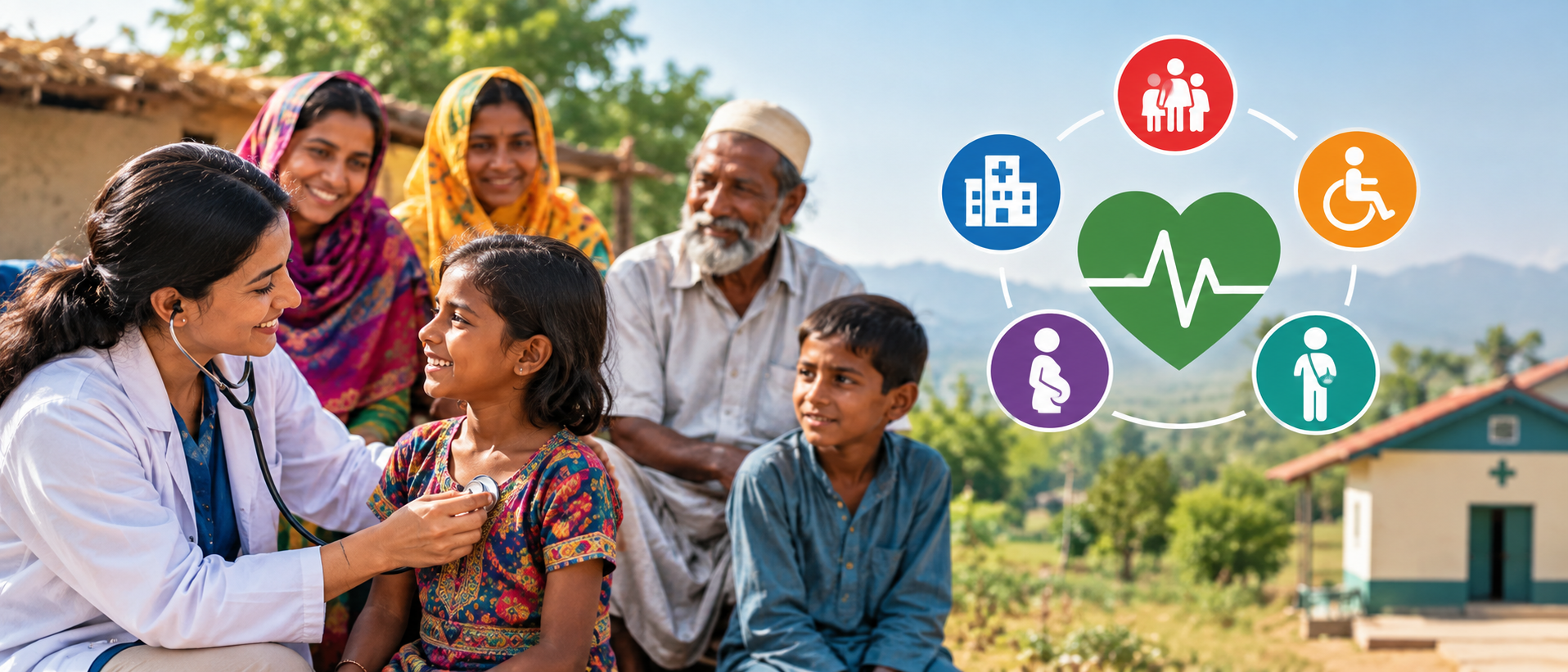
A person’s health outcomes should never depend on their zip code, income, or background. Yet across the world, they often do. Health equity sits at the core of Sustainable Development Goal 3, which calls for good health and wellbeing for everyone, without exception. This goal cannot succeed if entire communities remain locked out of essential care simply because of where they live or how much they earn.
Equal access to health is important for sustainable development because health outcomes ripple into nearly every other area of life. When people cannot access basic healthcare, their ability to work, learn, and contribute to their communities suffers significantly. Therefore, health equity is not simply a moral aspiration. It is a practical foundation that sustainable development depends upon, since healthier populations build stronger, more resilient societies over time.
This article explores what health equity truly means, why it matters for SDG 3, and what stands between the current reality and a more inclusive healthcare future.
What Is Health Equity
Health equity refers to the principle that everyone should have a fair and just opportunity to achieve their best possible health, regardless of social, economic, or geographic circumstances. It focuses on removing the systemic barriers that prevent certain populations from accessing the same quality of care that others take for granted. Achieving true health equity means addressing the root causes of disparity rather than simply treating symptoms after they appear.
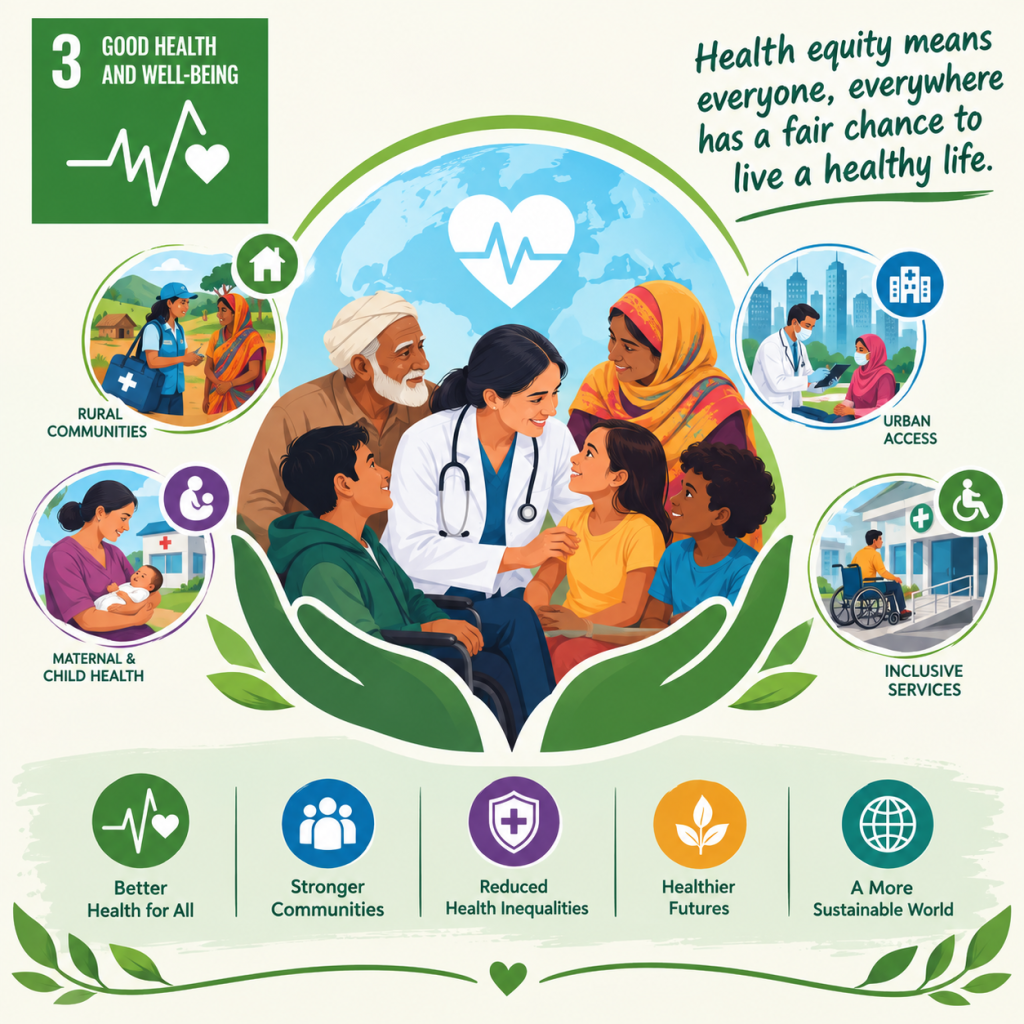
The difference between health equity and health equality often causes confusion, yet the distinction matters enormously in practice. Health equality means giving everyone identical resources, regardless of their starting circumstances. Health equity, however, recognizes that different populations face different obstacles, so achieving fair outcomes sometimes requires distributing resources unevenly to compensate for those disparities. For example, a rural community lacking any nearby clinic needs significantly more investment in healthcare infrastructure than an urban area already served by multiple hospitals. Treating both communities identically would maintain the existing gap rather than closing it, which is precisely why equity, not just equality, must guide effective health policy.
How Health Equity Supports SDG 3
Health equity directly advances the goals outlined in SDG 3 through several interconnected pathways.
First, health equity improves access to essential healthcare by removing the financial, geographic, and social barriers that prevent underserved populations from receiving timely treatment. When healthcare systems actively work to close these gaps, more people receive preventive care and early intervention rather than facing advanced illness due to delayed treatment.
Additionally, health equity plays a critical role in reducing preventable health disparities that disproportionately affect low income and marginalized communities. Many health conditions, from maternal mortality to chronic disease complications, occur at dramatically higher rates among underserved populations simply due to limited access rather than genetic or behavioral differences. Addressing these gaps directly through equity focused policy saves lives that would otherwise be lost to entirely preventable causes.
Furthermore, health equity supports healthier communities overall, since improved individual health outcomes strengthen entire populations. When more people receive adequate care, disease spreads less easily, workforce productivity improves, and communities become more resilient against future health crises, including pandemics and other widespread emergencies.
Barriers to Health Equity
Several persistent barriers continue preventing communities from achieving genuine health equity worldwide.
Income and poverty remain among the most significant obstacles, since the cost of healthcare, medication, and even transportation to appointments can place basic care entirely out of reach for low income families. Geographic location compounds this challenge further, particularly in rural or remote areas where the nearest hospital or specialist might require hours of travel, discouraging people from seeking care until conditions become severe.
Access to healthcare services also varies dramatically based on insurance coverage, provider availability, and local infrastructure, creating gaps that persist even within wealthier nations. Additionally, social and economic barriers, including language differences, discrimination, and lack of health literacy, prevent many individuals from navigating healthcare systems effectively even when services technically exist nearby.
Healthcare Access and Sustainable Development
Sustainable development depends heavily on building healthcare systems that remain genuinely accessible to entire populations, not just those who can afford premium care.
Affordable healthcare stands as a foundational requirement, since even the most advanced medical services provide no benefit to populations who cannot afford them. Countries that have successfully expanded affordable coverage often see measurable improvements in life expectancy and reduced rates of preventable death, demonstrating the direct link between affordability and health outcomes.
Essential medicines and services must also reach communities consistently and reliably, rather than remaining available only in well resourced urban centers. Meanwhile, healthcare infrastructure, including clinics, hospitals, and trained medical staff, determines whether communities can actually access the care that policies promise on paper. Without adequate infrastructure, even well designed health equity programs struggle to deliver meaningful results on the ground.
Role of Technology in Health Equity
Technology is increasingly helping close longstanding gaps in healthcare access.
Telemedicine has expanded rapidly in recent years, allowing patients in remote or underserved areas to consult with doctors without traveling long distances. This capability proves particularly valuable for rural communities and elderly patients who face significant mobility challenges. Digital health services extend this reach further, offering everything from mental health support to chronic disease management through mobile applications accessible from a basic smartphone.
Health data and remote monitoring tools also support more proactive, equitable care by allowing healthcare providers to track patient conditions continuously, even when in person visits remain difficult to arrange. For instance, a regional health program in a rural part of Sub Saharan Africa recently introduced mobile based remote monitoring for pregnant women living far from established clinics. Community health workers used simple mobile devices to track vital signs and flag warning signs early, allowing timely referrals to hospitals when complications arose. Within the first year, the program reported a significant reduction in preventable maternal health emergencies, demonstrating how relatively simple technology can meaningfully advance health equity when designed around the actual needs of underserved communities.
Role of Businesses in Supporting Health Equity
Businesses hold meaningful influence over health equity outcomes, both within their own operations and across the broader communities they serve.
Employee health and wellbeing programs that extend fair, comprehensive coverage to all workers, regardless of income level or job type, help reduce disparities that often exist even within a single company. Responsible healthcare innovation further strengthens equity when companies design new treatments, devices, or services with affordability and accessibility built in from the start, rather than treating underserved markets as an afterthought.
Supporting underserved communities directly, through partnerships with local clinics or funding for mobile health services, allows businesses to extend their impact beyond their own workforce. When companies view health equity as a genuine priority rather than a public relations exercise, their contributions tend to produce more lasting, meaningful improvements in community health outcomes.
Building More Inclusive Health Systems
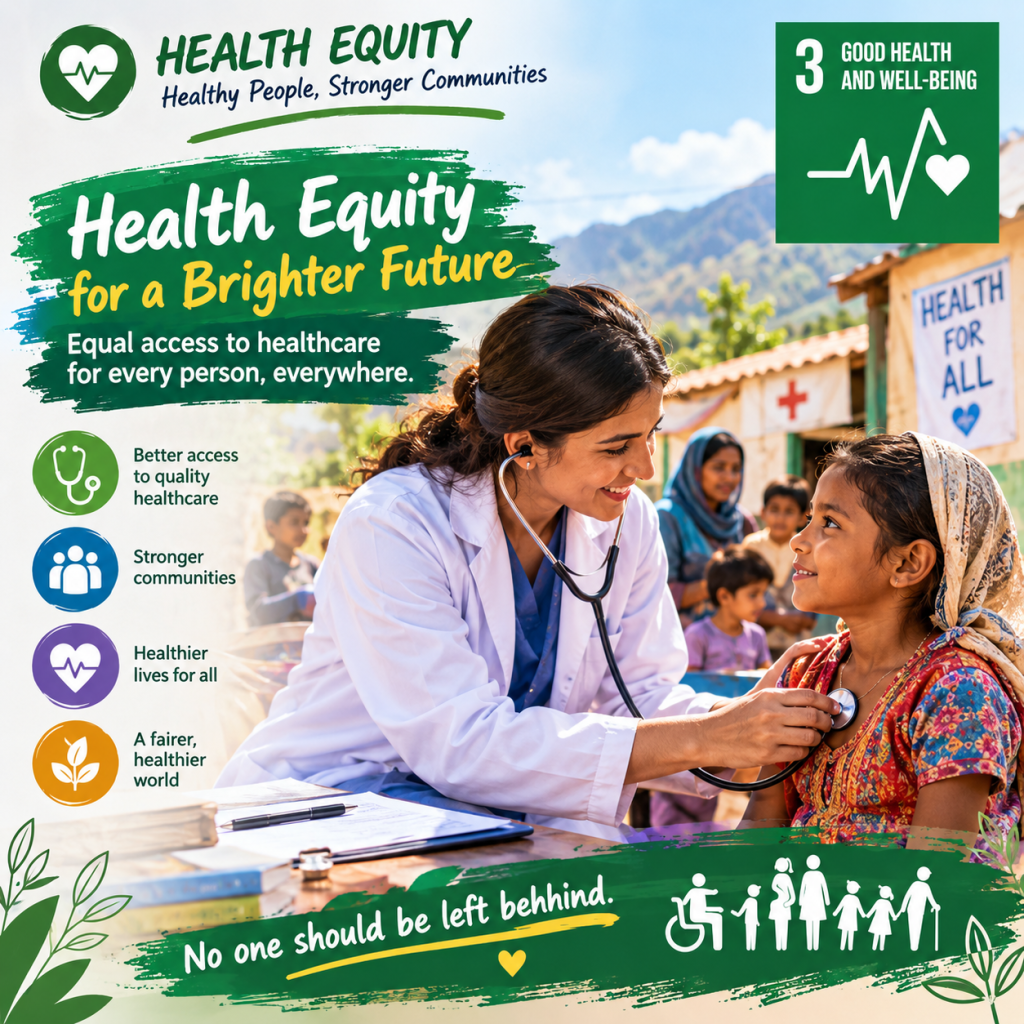
Community based healthcare represents one of the most effective strategies for reaching populations that traditional hospital systems often overlook. When care moves closer to where people actually live, through local clinics and trained community health workers, access barriers shrink considerably.
Preventive healthcare also plays an essential role in building equity, since catching health issues early costs less and produces better outcomes than treating advanced disease. Communities with strong preventive care infrastructure, including regular screenings and vaccination programs, generally experience fewer severe health crises overall.
Collaboration between governments, businesses, and communities ties these efforts together effectively. No single sector possesses all the resources or local knowledge needed to close equity gaps alone. Consequently, partnerships that combine government funding, business innovation, and community insight tend to produce the most sustainable, far reaching improvements.
Challenges to Achieving Health Equity
Despite meaningful progress, several persistent challenges continue slowing the path toward genuine health equity.
Unequal healthcare resources remain a fundamental obstacle, as wealthier regions consistently attract more hospitals, specialists, and advanced equipment than underserved areas. Digital access gaps also limit the reach of telemedicine and digital health tools, since populations without reliable internet or smartphones cannot benefit from these otherwise promising innovations.
Healthcare workforce shortages compound these challenges further, particularly in rural and low income areas where few medical professionals choose to practice due to lower pay and limited resources. Addressing these shortages requires deliberate policy incentives, since market forces alone tend to concentrate healthcare talent in already well served urban centers.
Conclusion
Health equity remains essential for achieving SDG 3, since good health and wellbeing cannot exist as a genuine global reality while entire populations remain systematically excluded from adequate care. Closing these gaps requires more than good intentions. It requires deliberate investment, policy reform, and technology designed specifically to reach those currently left behind.
Building inclusive and accessible healthcare systems will determine how quickly the world moves toward the vision SDG 3 sets out. As the long term connection between health equity and sustainable development becomes increasingly clear, governments, businesses, and communities that prioritize equitable care today are investing directly in a healthier, more resilient future for everyone.