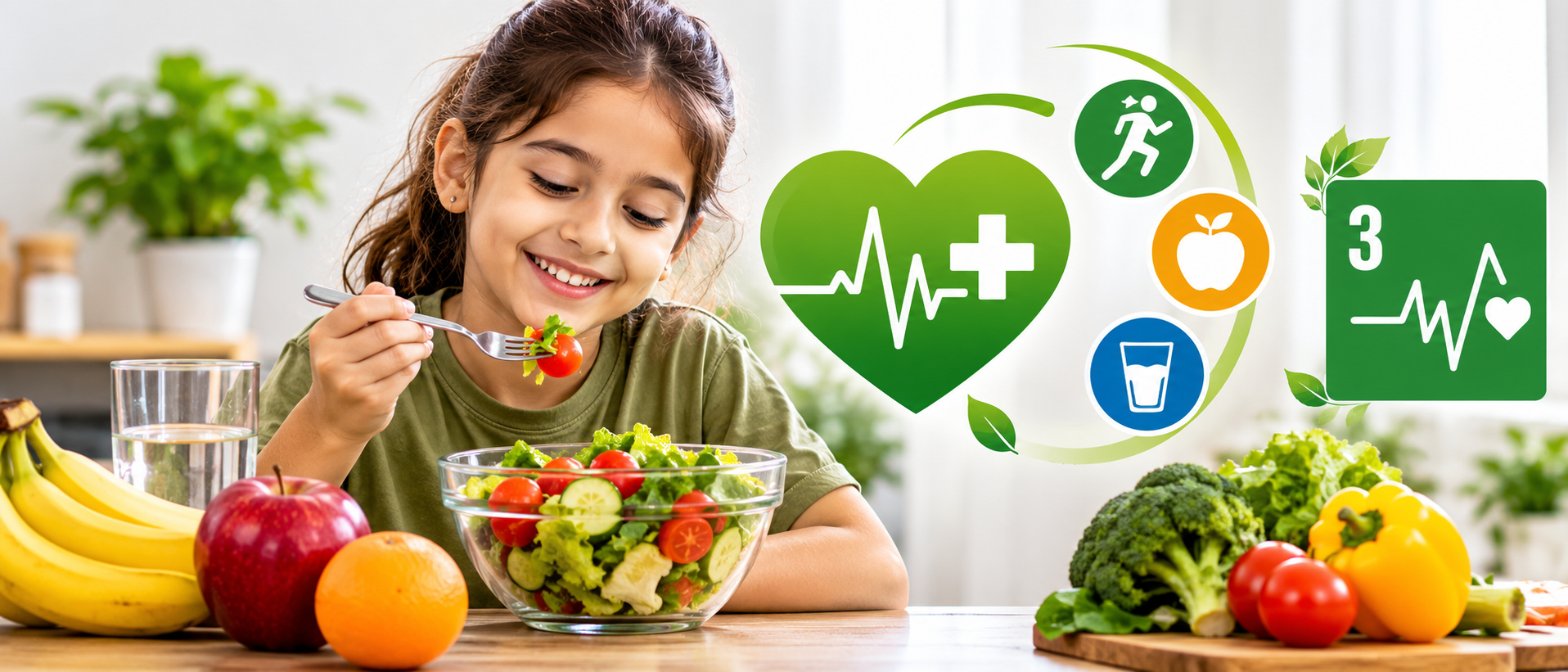
Good health begins long before a person visits a doctor. The food people eat every day influences their energy, development, disease risk, and overall quality of life. Therefore, healthy nutrition is essential to achieving Sustainable Development Goal 3 (SDG 3), which aims to ensure healthy lives and promote well being for everyone.
Nutritious food provides the essential nutrients the body needs to function properly. Moreover, balanced diets help prevent diseases, support mental well being, and strengthen communities. However, millions of people still struggle to access affordable, nutritious meals.
Addressing this challenge requires more than individual effort. Governments, businesses, healthcare providers, and communities must work together to make healthy food accessible to everyone.
Nutrition and Population Health
Healthy nutrition supports physical growth, cognitive function, and emotional well being. A balanced diet provides proteins, carbohydrates, healthy fats, vitamins, minerals, and fibre. Together, these nutrients support immunity, maintain energy levels, and help the body repair itself.
However, nutritional challenges take different forms. Undernutrition occurs when people do not receive enough energy or essential nutrients. Micronutrient deficiencies, including iron deficiency and vitamin A deficiency, can also affect health even when calorie intake appears sufficient.
Meanwhile, excessive consumption of foods high in sugar, salt, and unhealthy fats increases the risk of obesity and chronic diseases.
For example, a schoolchild who regularly eats meals containing vegetables, whole grains, and protein may have better nutritional support for learning and growth. In contrast, a child who frequently replaces meals with sugary snacks may miss essential nutrients.
Healthy nutrition therefore requires addressing both insufficient food intake and poor dietary quality.
The Impact of Poor Nutrition
Poor nutrition can contribute to several major health problems. Diets high in sodium and unhealthy fats increase the risk of cardiovascular disease. Excessive sugar consumption and unhealthy weight gain can contribute to type 2 diabetes.
Furthermore, inadequate nutrition can weaken immunity and increase vulnerability to infections. When people already have chronic illnesses, poor dietary quality can make managing those conditions more difficult.
Children face particularly serious consequences. Undernutrition during early development can affect physical growth, brain development, and learning. These effects may continue into adulthood, influencing educational opportunities and future health.
Families also experience financial pressure when nutrition related illnesses require ongoing treatment. Consequently, healthcare systems face additional demand for medicines, hospital services, and long term disease management.
Preventing nutrition related illness is therefore an important investment in public health.

Food Access and Healthy Choices
Healthy nutrition depends on more than personal decisions. People can only make nutritious choices when suitable food is available, affordable, and accessible.
Food insecurity occurs when people lack reliable access to sufficient, safe, and nutritious food. Even when food markets are well supplied, high prices can prevent low income households from purchasing balanced meals.
Several practical measures can improve access:
- Schools: Provide nutritious meals and teach children about balanced diets.
- Communities: Support food banks, community gardens, and local food initiatives.
- Food retailers: Make affordable fruits, vegetables, and other nutritious products readily available.
- Governments: Strengthen social protection programmes and support nutrition education.
- Healthcare providers: Offer practical dietary guidance tailored to people’s needs and circumstances.
For further context, explore our articles on Food Security and SDG 2 and Healthy Food Systems.
These approaches recognise that healthier choices become easier when communities create supportive food environments.
Nutrition and Children
Nutrition during pregnancy and early childhood lays the foundation for lifelong health. During pregnancy, adequate nutrition supports maternal health and fetal development. After birth, breastfeeding provides important nutrients and immune protection.
WHO recommends exclusive breastfeeding during the first six months of life. Afterward, children should receive appropriate complementary foods while breastfeeding continues.
As children grow, their diets should include varied, nutrient rich foods in suitable quantities. School nutrition programmes can reinforce these habits by providing balanced meals and nutrition education.
Early nutrition matters because deficiencies during critical development stages can affect growth, learning, and future disease risk. Therefore, supporting mothers and children is central to achieving lasting improvements in population health.
Technology and Nutrition
Digital technology can make nutrition information more accessible and useful. For example, food label scanning applications can help consumers compare nutritional information and identify products with lower levels of sugar or sodium.
Digital nutrition programmes can also provide meal planning guidance, educational resources, and reminders for families managing dietary needs.
In healthcare settings, digital growth monitoring tools can help professionals identify children at risk of malnutrition and connect families with appropriate support.
Nevertheless, technology has limitations. Online nutrition misinformation can encourage harmful dietary practices. In addition, smartphone costs, unreliable internet access, and limited digital literacy may exclude vulnerable communities.
Technology should therefore complement professional guidance and accessible public health services rather than replace them.
A Case Study
Brazil’s Bolsa Família Programme
Brazil’s Bolsa Família programme demonstrates how social protection can contribute to better nutrition outcomes.
The programme provides financial assistance to eligible low income families. By helping households meet essential expenses, it can improve their ability to obtain food and access healthcare.
A 2025 nationwide Brazilian cohort study examined more than 3.1 million children born between 2008 and 2015. Researchers found that participation in Bolsa Família was associated with a 17% lower chance of childhood stunting.
However, the findings also revealed complexity. Participation was associated with a higher chance of wasting in the study population. The researchers highlighted the need to understand these outcomes alongside Brazil’s changing nutritional challenges.
The case illustrates an important lesson: financial assistance can support nutrition, but programmes need healthcare access, dietary education, and careful monitoring to address different forms of malnutrition.
Read the study published in BMJ.
Measuring Progress Toward SDG 3
Nutrition contributes directly to SDG 3 by preventing disease, supporting development, and improving quality of life. Progress can be measured through indicators such as child malnutrition, maternal health, and nutrition related disease outcomes.
The connection with SDG 2, Zero Hunger, is equally important. While SDG 2 focuses on ending hunger and improving nutrition, SDG 3 addresses the broader health outcomes that nutritious diets help achieve.
According to the 2025 UNICEF, WHO, and World Bank estimates, approximately 150.2 million children under five experienced stunting worldwide in 2024. This represented 23.2% of children in that age group.
The figure demonstrates that millions of children still experience impaired growth associated with chronic undernutrition.
Another important measure is food insecurity. The United Nations reported that approximately 2.3 billion people experienced moderate or severe food insecurity in 2024.
Together, these indicators show why improving nutrition requires coordinated action on food access, healthcare, and prevention.
What Businesses Can Do
Businesses influence nutrition through their products, workplaces, marketing, and supply chains. They can support healthier communities by making responsible choices part of everyday operations.
Practical actions include:
- Healthier workplace meals: Offer balanced, affordable meals and nutritious snacks in cafeterias.
- Clear food labelling: Present nutritional information in accessible formats so consumers can compare products.
- Employee education: Provide reliable nutrition resources and opportunities to learn about healthy eating.
- Responsible marketing: Avoid misleading health claims and take particular care when marketing foods to children.
- Product improvement: Reduce excessive salt, sugar, and unhealthy fats where appropriate.
- Responsible sourcing: Work with suppliers to support reliable access to nutritious ingredients.
Food companies can also improve transparency by communicating ingredients, nutritional values, and serving sizes clearly.
These measures connect sustainable business practices with public health. They also reinforce the importance of responsible food systems, where commercial decisions consider consumer well being alongside operational goals.
Conclusion
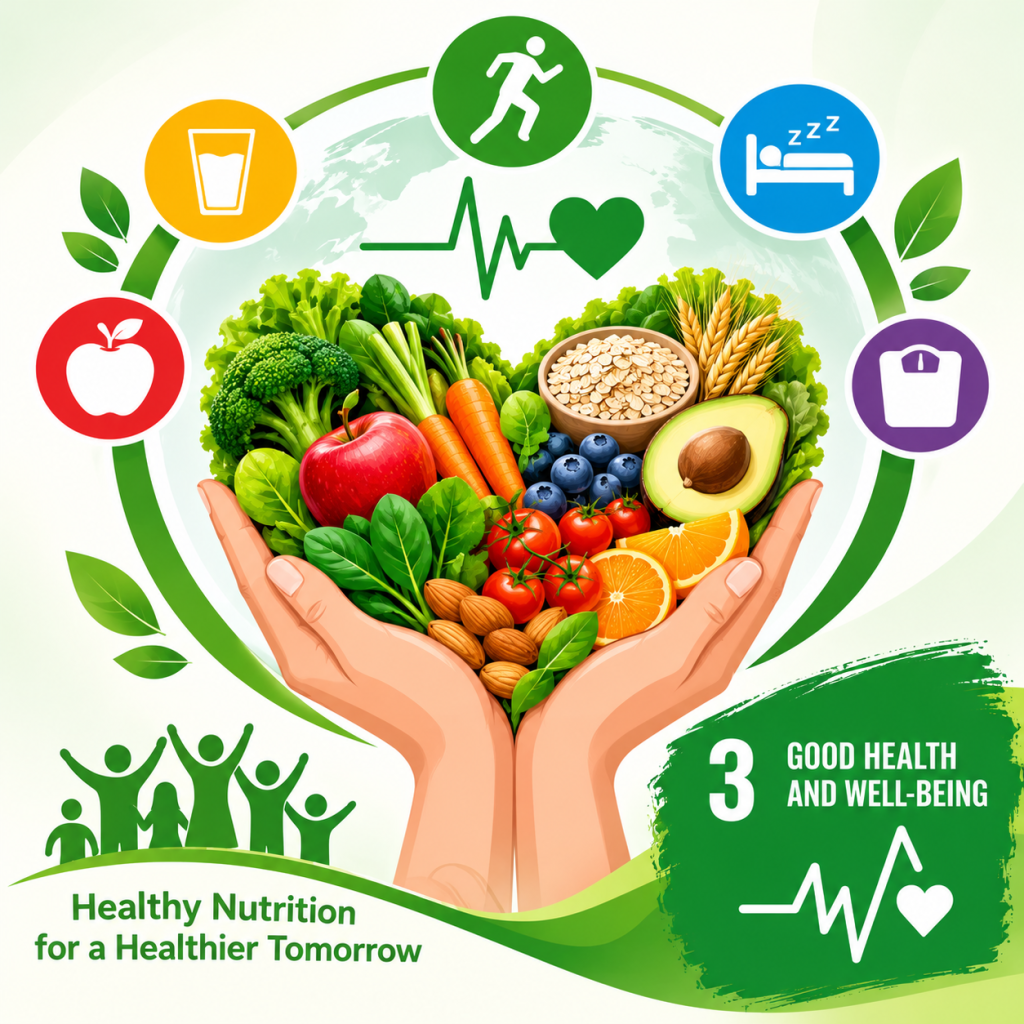
Healthy nutrition is fundamental to achieving SDG 3. Nutritious diets support physical and mental well being, reduce disease risk, and help children reach their developmental potential.
However, lasting progress requires more than individual awareness. Governments must strengthen food policies and social protection. Communities must improve access to nutritious food. Healthcare systems must provide prevention and nutrition support. Businesses must promote responsible products and practices.
Looking ahead, integrating nutrition into sustainable development strategies can help build healthier populations and more resilient communities. By making nutritious food accessible and affordable, societies can advance both good health and sustainable development.