
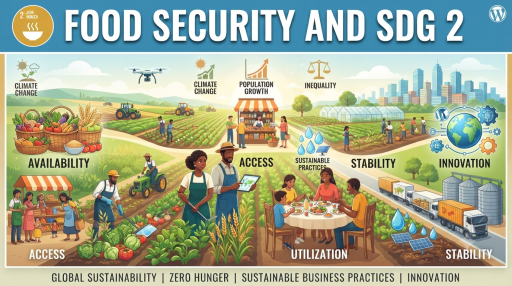
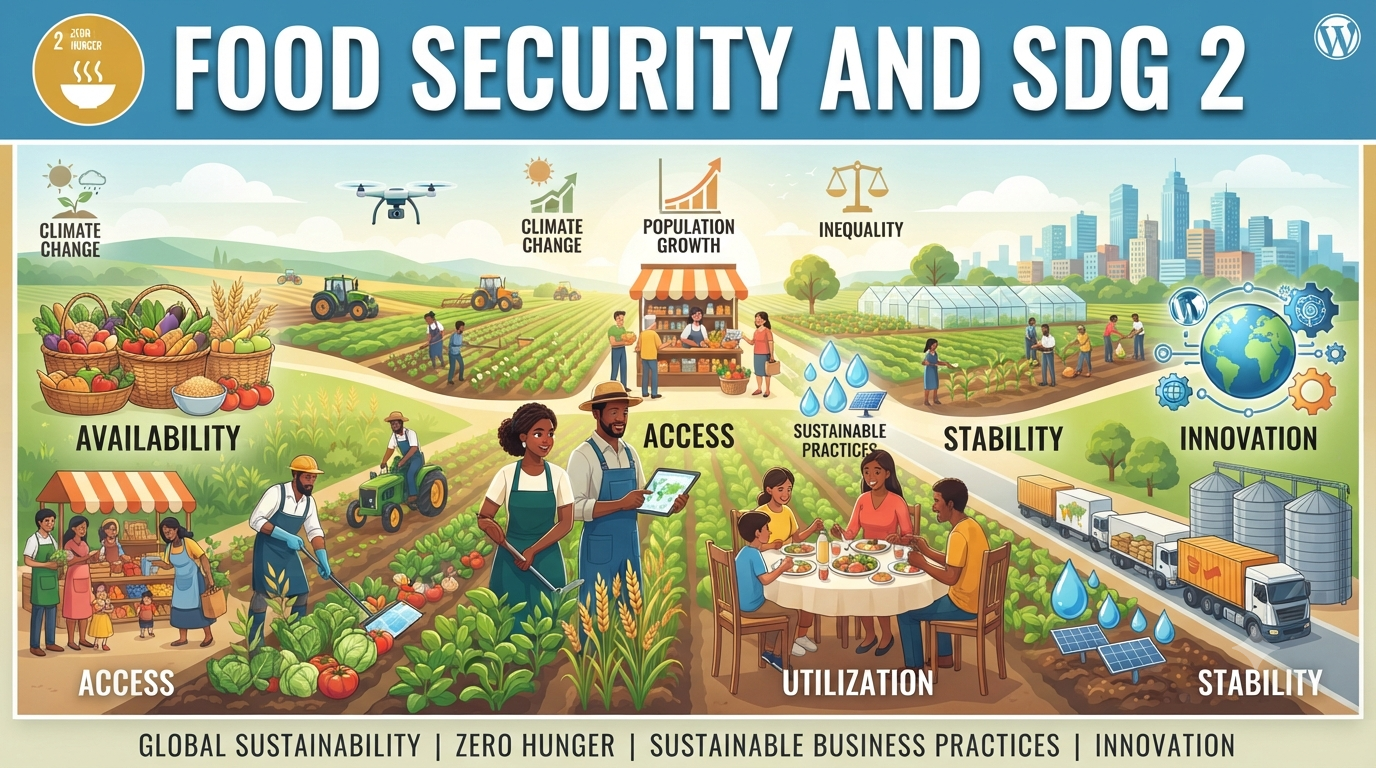
Millions of people wake up every day without knowing where their next meal will come from. This reality drives one of the most urgent goals on the global agenda: food security. As a result, the United Nations placed food security at the center of Sustainable Development Goal 2, often called Zero Hunger. Consequently, governments, businesses, and communities are working together to close the gap between food supply and human need. Food security is not simply about having enough food. Instead, it reflects a complex balance between production, distribution, and access. Therefore, understanding this balance is the first step toward meaningful progress.
What Is Food Security
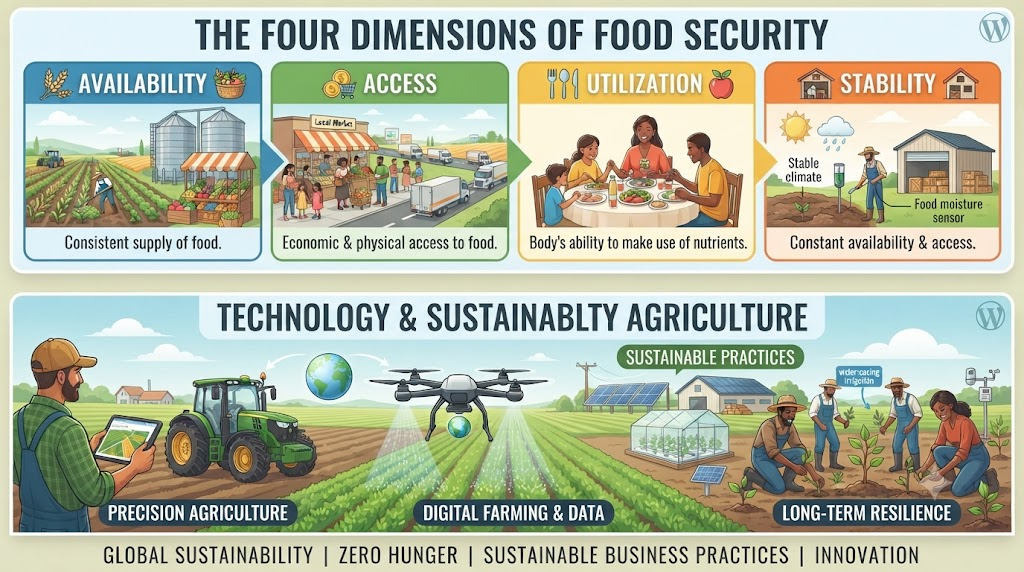
Food security exists when all people, at all times, have physical and economic access to sufficient, safe, and nutritious food. This definition includes four key dimensions. As a result, experts break food security into these core pillars:
- Availability, which means enough food is produced or imported
- Access, which means people can afford and obtain that food
- Utilization, which means the body can absorb proper nutrition from food
- Stability, which means these three factors hold steady over time
Consequently, a shortfall in any one dimension can undermine food security even where the others remain strong. For example, a country may produce plenty of food yet still face hunger because prices are too high for many households.
How SDG 2 Promotes Food Security
SDG 2 approaches food security through several connected priorities. First, it aims to end hunger entirely by 2030. Second, it works to improve access to nutritious food, particularly for vulnerable groups such as children and rural populations. Third, it promotes resilient food systems that can withstand shocks like droughts, conflicts, or market disruptions. In addition, SDG 2 encourages sustainable agriculture that protects ecosystems while increasing productivity. Therefore, the goal treats hunger not as an isolated problem but as one tied to poverty, health, and environmental stability.
Major Challenges to Food Security
Despite decades of progress, several challenges continue to threaten food security worldwide. Climate change disrupts rainfall patterns and increases extreme weather events, which damages crops and livestock. Meanwhile, population growth places additional pressure on limited land and water resources. Supply chain disruptions, whether from pandemics or geopolitical conflict, can delay food from reaching markets. Additionally, economic inequality means that even when food is available, many families cannot afford it. As a result, these challenges often compound one another, making food insecurity harder to solve with a single solution.
The Role of Sustainable Agriculture
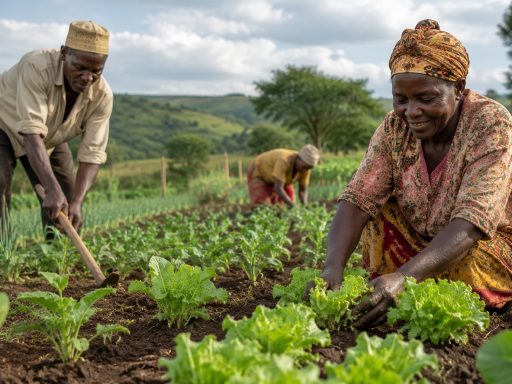
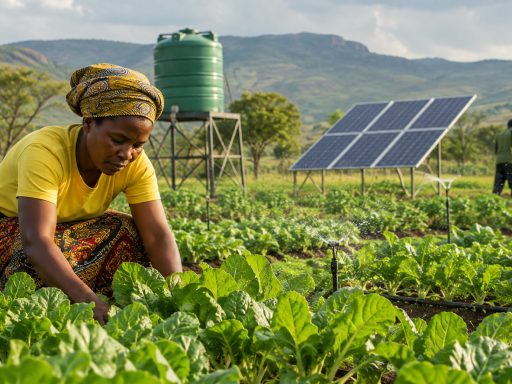
Sustainable agriculture offers a practical path forward. Farmers can increase productivity responsibly by adopting crop rotation, efficient irrigation, and soil health practices. At the same time, sustainable methods protect natural resources such as freshwater, forests, and biodiversity. This balance matters because degraded land eventually produces less food, not more. Therefore, sustainable agriculture supports long term food availability rather than short term yield gains that harm future harvests. For instance, farmers who rotate crops and reduce chemical inputs often see steadier yields over many seasons, even during difficult weather years.
Technology and Food Security
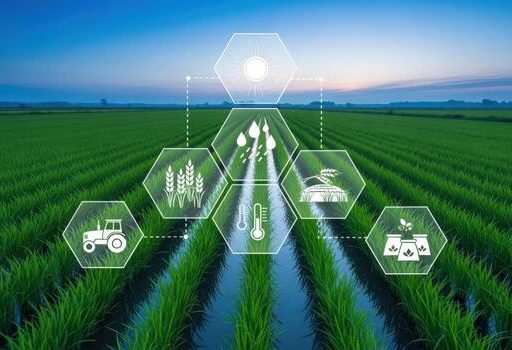
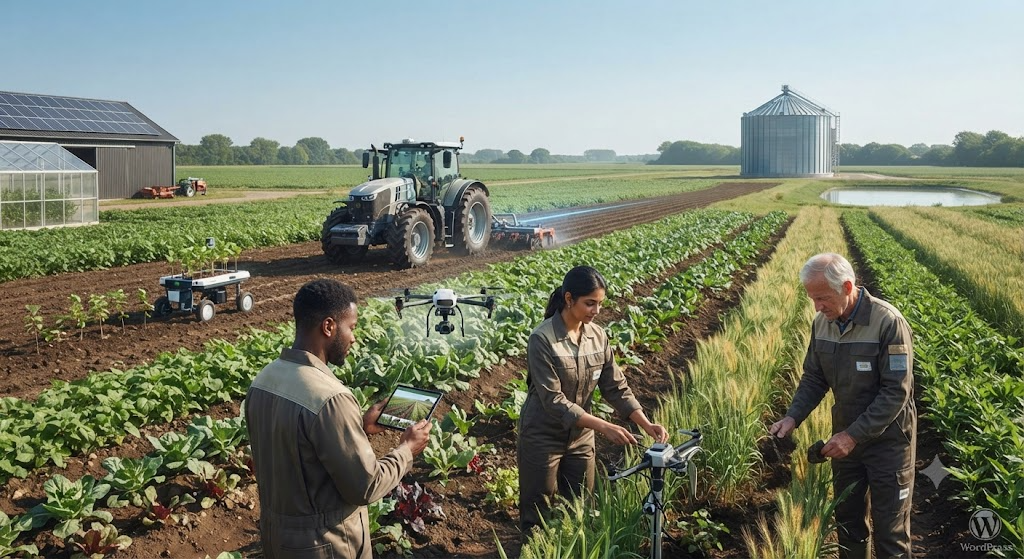
Modern technology is reshaping how the world grows and distributes food. Precision agriculture uses sensors and satellite data to apply water, fertilizer, and pesticides only where needed. Digital farming platforms give farmers real time insights into soil conditions and weather forecasts. Meanwhile, data driven food production helps supply chains predict demand and reduce waste. As a result, technology allows farmers to produce more food using fewer resources, which strengthens both availability and sustainability.
Business Contributions to Food Security
Companies play a growing role in advancing food security. Responsible sourcing ensures that raw materials come from suppliers who follow fair labor and environmental standards. Sustainable supply chains reduce the distance and emissions involved in getting food from farm to table. Furthermore, many businesses now focus on reducing food loss at every stage, from harvest to retail shelves. A mini case worth noting involves a mid sized food distributor that redesigned its cold storage logistics to cut spoilage rates significantly. By investing in better packaging and shorter transit times, the company reduced waste while also lowering costs, proving that sustainability and profitability can align.
Global Initiatives Supporting SDG 2
Progress on food security rarely happens in isolation. International cooperation allows countries to share resources, research, and emergency food aid during crises. Public private partnerships combine government funding with corporate innovation to scale solutions faster. Community based programs, meanwhile, address local needs directly, such as school feeding programs or urban farming initiatives. Together, these efforts create a layered support system that reaches people at global, national, and local levels.
Measuring Progress Toward Food Security
Tracking food security requires reliable data collection across multiple indicators. Governments and international bodies monitor factors such as calorie intake, food price stability, and rates of malnutrition among children. Furthermore, satellite imagery now helps researchers estimate crop yields across entire regions, offering early warnings when harvests fall short. This data driven approach allows policymakers to respond before a shortage becomes a crisis. As a result, countries that invest in strong monitoring systems tend to recover faster from droughts, floods, or economic shocks. Without accurate measurement, however, food security efforts often address symptoms rather than root causes. Therefore, transparent reporting remains essential for holding governments and organizations accountable to their SDG 2 commitments.
Consumer Behavior and Food Security
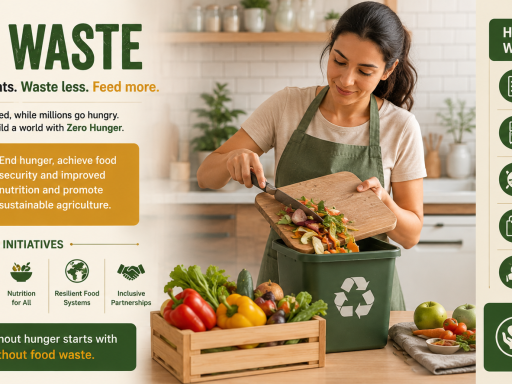
Everyday choices made by consumers also shape the broader food security picture. When shoppers choose locally grown produce, they support farmers and reduce the environmental cost of long distance transport. In addition, reducing household food waste stretches existing supply further, easing pressure on production systems. Studies consistently show that a significant portion of food produced worldwide never reaches a plate, largely due to spoilage or overbuying. Consequently, small shifts in consumer habits, such as better meal planning or supporting imperfect produce programs, can meaningfully reduce this waste. Retailers are noticing this trend too, and many now offer discounted pricing on food nearing its expiration date. This partnership between conscious consumers and responsive businesses shows that food security is not solely a government responsibility.
Policy and Long Term Resilience
Strong policy frameworks provide the backbone for lasting food security. Trade agreements that reduce tariffs on essential food imports can stabilize prices during regional shortages. Meanwhile, subsidies aimed at smallholder farmers help them access better seeds, tools, and training. Insurance programs also protect farmers financially when unpredictable weather destroys a season’s harvest. As a result, well designed policy reduces the volatility that so often threatens vulnerable food systems. Looking ahead, experts agree that food security will depend on continued investment in adaptive infrastructure, from irrigation networks to rural roads that connect farms to markets. Ultimately, thoughtful policy turns short term aid into long term stability, ensuring that progress made today is not lost tomorrow.
Conclusion
Food security remains fundamental to achieving SDG 2 and building a more equitable world. It touches nearly every part of society, from agriculture and technology to business practices and government policy. As challenges like climate change and inequality persist, collective action becomes even more essential. Governments, companies, and communities must continue working together to build systems that are resilient, sustainable, and fair. Ultimately, a hunger free future depends on the choices made today, and every contribution, large or small, moves the world closer to that goal.