
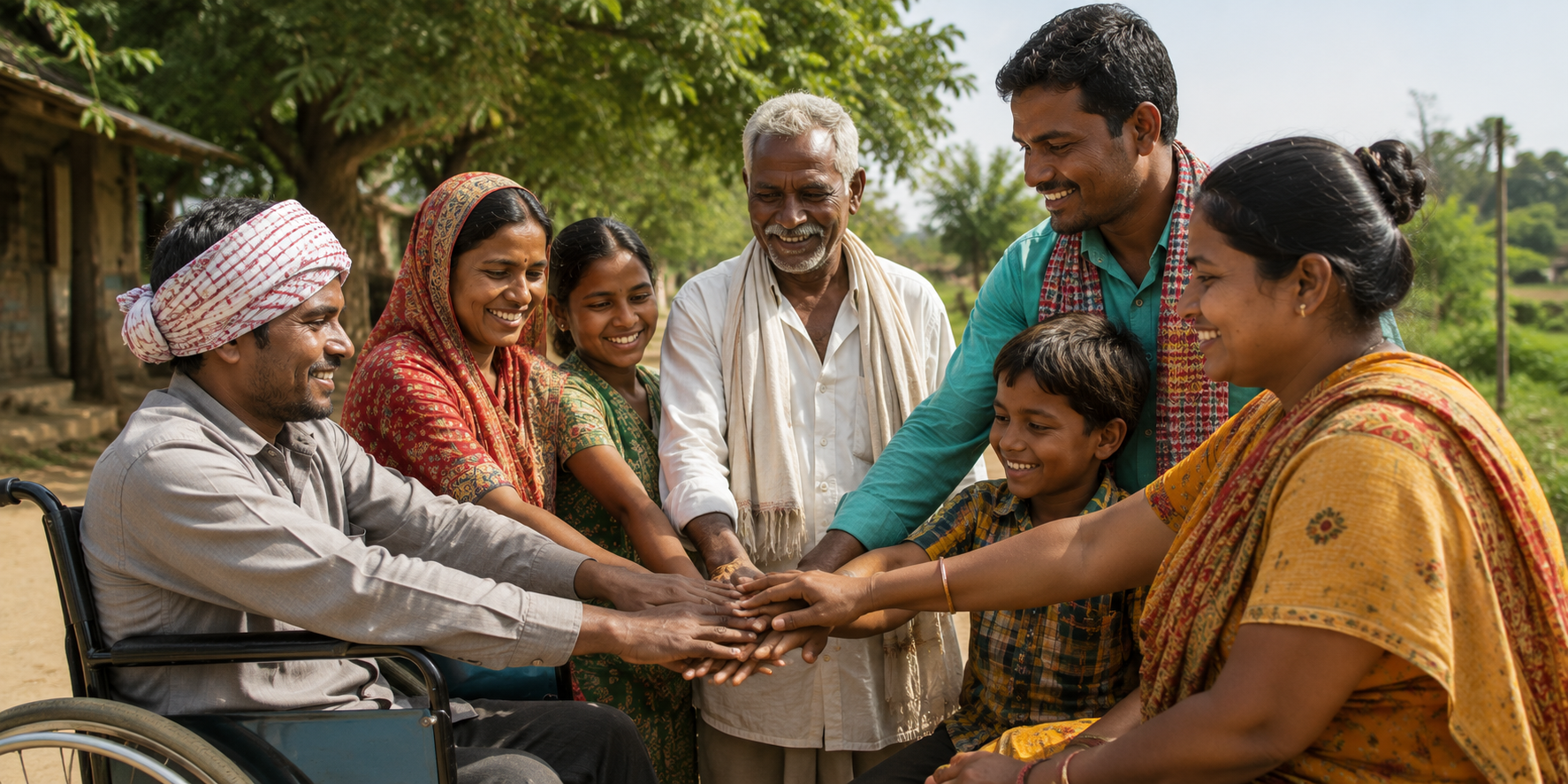
Economic growth alone has never been enough to end poverty. A country can post strong GDP numbers while millions of its citizens remain locked out of opportunity. That gap is exactly why inclusive growth has become central to achieving SDG 1, the United Nations goal to end poverty in all its forms. Inclusive growth ensures that economic gains reach everyone, not just those already positioned to benefit. Without it, poverty reduction stalls, inequality widens, and development becomes unsustainable. Understanding why economic inclusion matters is the first step toward building economies that genuinely work for all.
What Is Inclusive Growth
Inclusive growth refers to economic expansion that creates opportunities for all segments of society and distributes the benefits of that growth fairly. It is not simply about how fast an economy grows. It is about who participates in that growth and who shares in its rewards.
The core principles of inclusive growth include broad based participation, equal access to economic opportunity, and fair distribution of outcomes. These principles apply across income levels, regions, genders, and social groups. Therefore, inclusive growth requires deliberate policy choices, not just market forces left to operate on their own.
The difference between growth and inclusive growth is significant. Traditional growth models often measure success through aggregate indicators like GDP, while ignoring how that growth is distributed. A country can experience rapid economic expansion while poverty rates remain stagnant, particularly in marginalized regions or among excluded populations. Inclusive growth corrects this imbalance by placing equity at the center of economic strategy, rather than treating it as an afterthought.
How Inclusive Growth Supports SDG 1
Inclusive growth directly advances SDG 1 by expanding the pathways through which people escape poverty. When economic opportunities reach underserved populations, poverty reduction accelerates far beyond what growth alone could achieve. Expanding economic opportunities means more than creating jobs in already prosperous urban centers. It requires investment in rural areas, secondary cities, and historically excluded communities. Consequently, inclusive growth strategies often prioritize infrastructure, education, and market access in regions that traditional growth models tend to overlook.
Improving access to jobs and income is equally critical. SDG 1 recognizes that stable income is one of the strongest protections against poverty. Inclusive growth supports this by promoting fair labor markets, decent wages, and employment opportunities across skill levels. For example, when a country invests in vocational training alongside infrastructure development, it creates jobs that local workers can actually fill, rather than importing skilled labor from elsewhere. This approach connects directly to the principles outlined in the SDG Goal 1 No Poverty, where economic access forms a foundational target.
Role of Businesses in Inclusive Growth
Businesses are not passive participants in inclusive growth. They are active drivers of it. Responsible business practices, including fair wages, ethical sourcing, and transparent labor standards, directly shape whether economic growth benefits workers or simply enriches shareholders.
Companies that prioritize responsible practices tend to build more resilient supply chains and stronger community relationships. Moreover, businesses that invest in local economies create multiplier effects that extend far beyond their immediate operations. A factory that sources raw materials locally, hires from the surrounding community, and pays fair wages strengthens the entire regional economy, not just its own balance sheet.
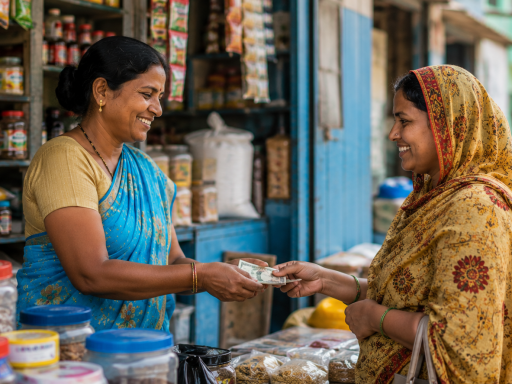
Supporting local economies and entrepreneurship is another essential role businesses play. Large companies can partner with small suppliers, provide mentorship to local entrepreneurs, and create market access for community based producers. This collaborative model builds economic capacity that persists long after any single business relationship ends. Our post on the business value of ESG explores how responsible business practices translate into measurable economic and social value.
Creating Equal Access to Opportunities
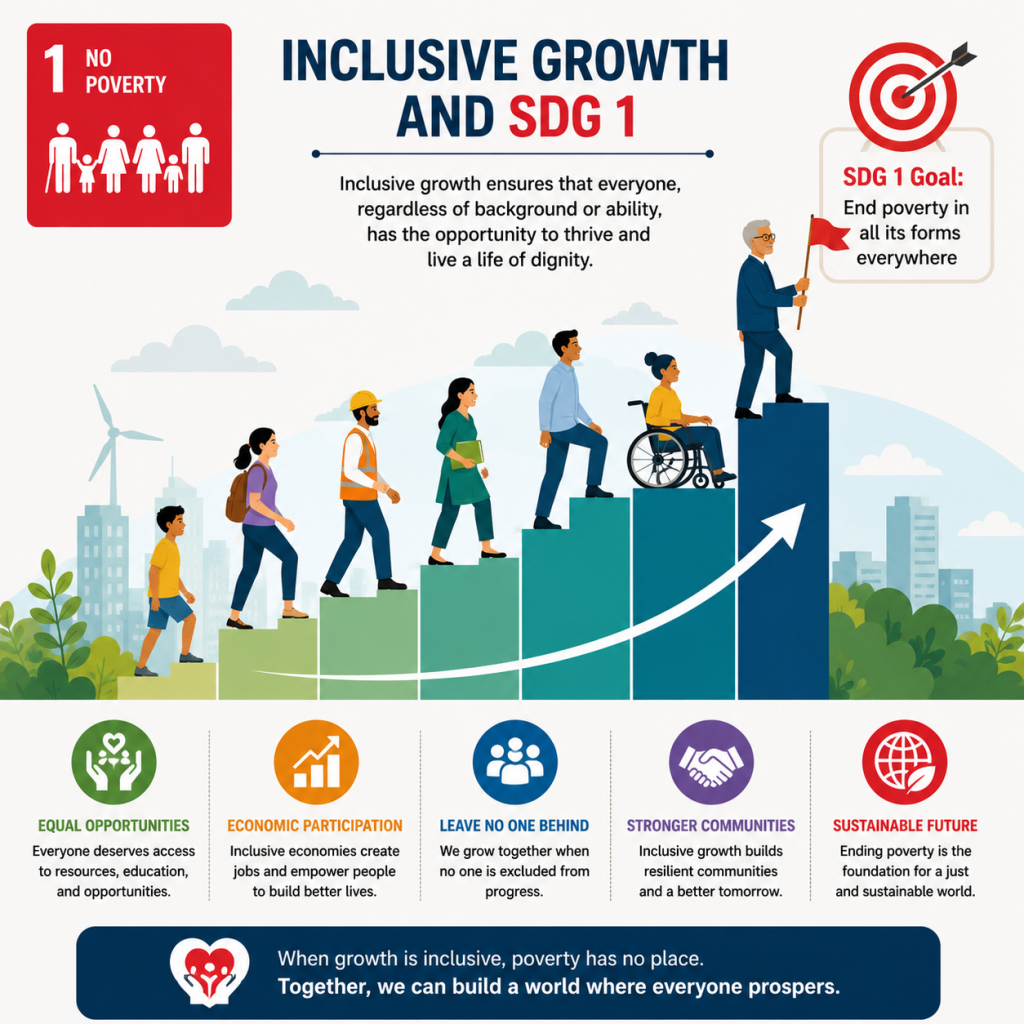
Equal access to opportunity is the engine that makes inclusive growth function. Without it, economic systems simply reproduce existing inequalities, regardless of how fast the overall economy expands.
Education and workforce participation sit at the center of this effort. When people gain access to quality education and relevant skills training, they become equipped to participate fully in the labor market. This is particularly important for groups that have historically faced barriers to employment, including women, rural populations, and people with disabilities.
Financial and digital inclusion further expand access to opportunity. Consider these key components of inclusive access:
- Affordable banking and credit services for underserved populations
- Digital literacy programs that build technology skills
- Mobile based financial tools that reach remote communities
- Microfinance options that support small business creation
- Internet connectivity that opens access to markets and information
When these elements work together, they create a foundation where economic participation becomes possible for far more people. Our post on SDG 1 and financial inclusion examines how financial access transforms economic outcomes for low income households.
Challenges to Achieving Inclusive Growth
Despite its clear benefits, inclusive growth faces substantial obstacles. Regional inequality remains one of the most persistent challenges. Urban centers often attract the majority of investment, infrastructure, and job creation, leaving rural and remote areas behind. This imbalance can undermine national poverty reduction efforts even when overall economic indicators look strong.
Limited economic access compounds the problem. Many populations still lack basic banking services, reliable transportation, or stable internet connectivity. Without these foundations, even well designed inclusive growth policies struggle to reach the people who need them most.
Structural barriers present an additional layer of difficulty. Discriminatory practices, weak property rights, and inadequate legal protections prevent certain groups from fully participating in economic life. Overcoming these barriers requires sustained policy reform, not just short term economic stimulus. These dynamics are closely tied to the inequality patterns discussed in our post on SDG 1 and poverty data.
Policies That Encourage Inclusive Development
Effective policy design is essential for translating the principles of inclusive growth into measurable outcomes. Public investment strategies that prioritize underserved regions can correct the imbalances that markets alone tend to reinforce. This includes infrastructure spending, healthcare access, and education funding directed toward communities that have historically received less investment.
Social and economic inclusion initiatives also play a critical role. Programs that combine cash transfers with skills training, for instance, address both immediate needs and long term capacity building. Similarly, policies that support small business formation through reduced regulatory barriers and accessible credit help distribute economic opportunity more broadly.
A useful example comes from Indonesia, where government backed microfinance programs combined with digital payment infrastructure helped millions of small entrepreneurs formalize their businesses. This dual approach expanded financial access while strengthening tax revenue and economic data collection, demonstrating how policy design can serve multiple inclusive growth objectives simultaneously.
Measuring Progress Toward Inclusive Growth
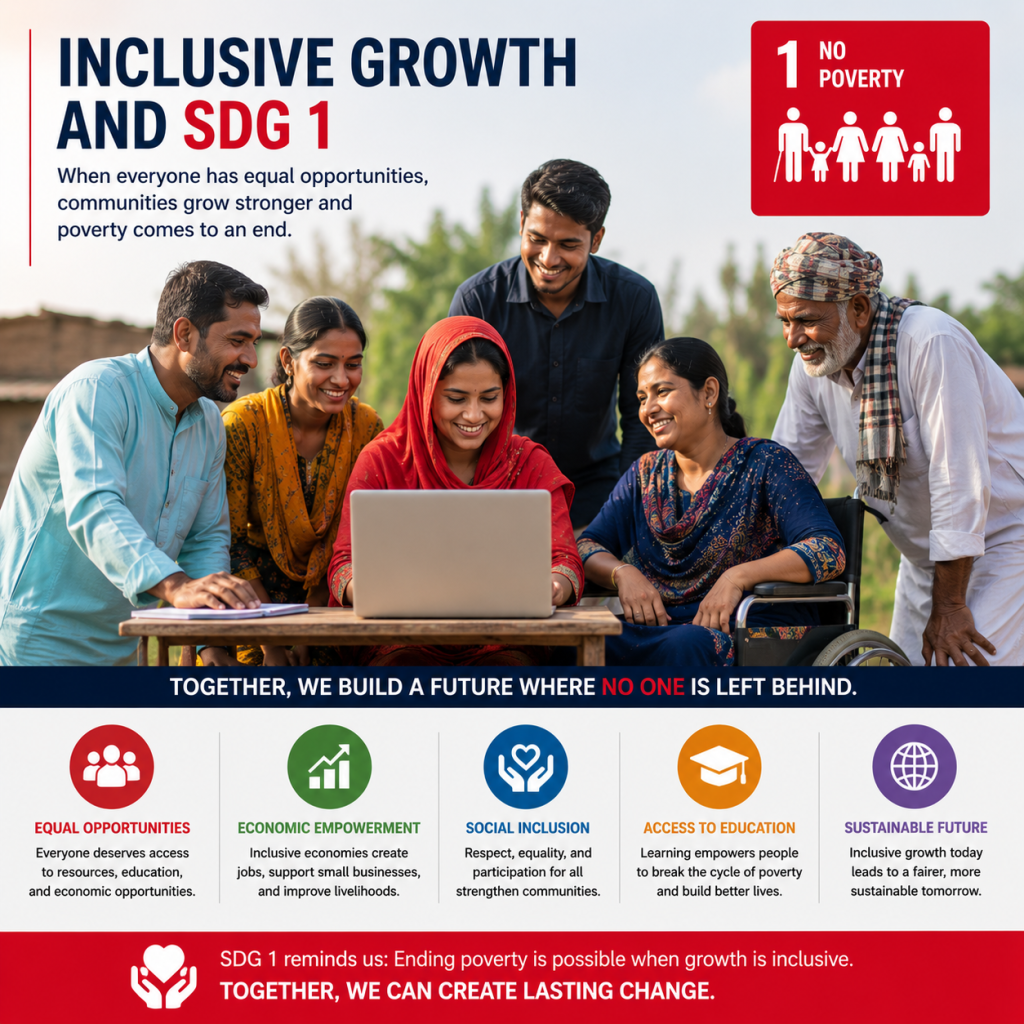
Measuring inclusive growth requires more than tracking GDP. Economic indicators must capture distribution alongside aggregate performance. Metrics such as the Gini coefficient, employment rates across demographic groups, and regional income disparities provide a clearer picture of whether growth is genuinely inclusive.
Long term sustainability outcomes matter just as much as short term gains. Policymakers increasingly track indicators like access to education, healthcare coverage, and financial inclusion rates to assess whether growth translates into durable improvements in quality of life. This shift toward comprehensive measurement aligns with the broader accountability frameworks explored in SDG accountability and governance, where transparent data collection underpins credible progress tracking.
Future Outlook
The future of inclusive growth depends on building economies that can absorb shocks without leaving vulnerable populations behind. Resilient economies integrate social protection, financial access, and sustainable investment into a unified development strategy, rather than treating these elements as separate initiatives.
Looking ahead, technology will likely play an expanding role in extending economic opportunity to underserved populations. Digital platforms, mobile banking, and remote work arrangements are already reshaping how people in remote areas access markets and income. This trend supports the long term contribution to SDG 1 goals by creating new pathways out of poverty that did not exist a generation ago.
Conclusion
Inclusive growth remains essential for poverty reduction because it addresses the distribution problem that traditional growth models consistently overlook. Economic expansion that bypasses entire regions or population groups cannot deliver lasting progress toward SDG 1. Instead, sustainable poverty reduction requires growth that reaches everyone, supported by responsible businesses, sound policy, and equal access to opportunity. Collaboration across governments, businesses, and communities will determine whether inclusive growth becomes the norm rather than the exception. As economies continue to evolve, the choice to prioritize inclusion will shape whether future growth lifts entire societies or simply widens existing divides.