
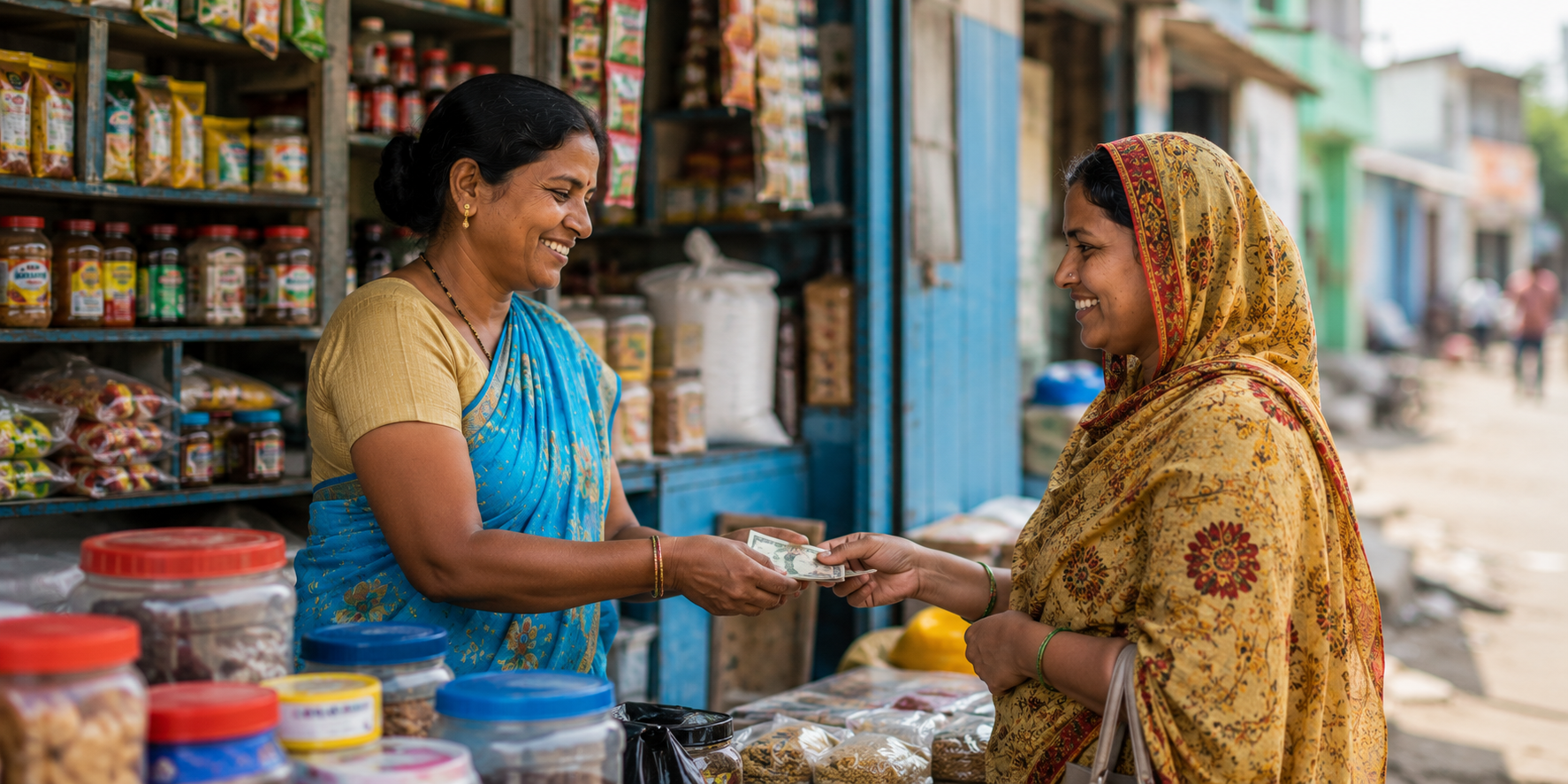
Millions of people work hard every day and still cannot access the basic economic tools that most take for granted. No bank account. No credit. No formal employment. No pathway into the systems that generate and distribute wealth. This is the reality that economic inclusion aims to change, and it sits at the core of what SDG 1 is trying to achieve. When economies exclude large segments of their populations, poverty becomes self-reinforcing. Conversely, when inclusion becomes an intentional priority, poverty reduction accelerates and the benefits of growth spread further. Understanding this connection is essential for anyone committed to sustainable development.
What Is Economic Inclusion
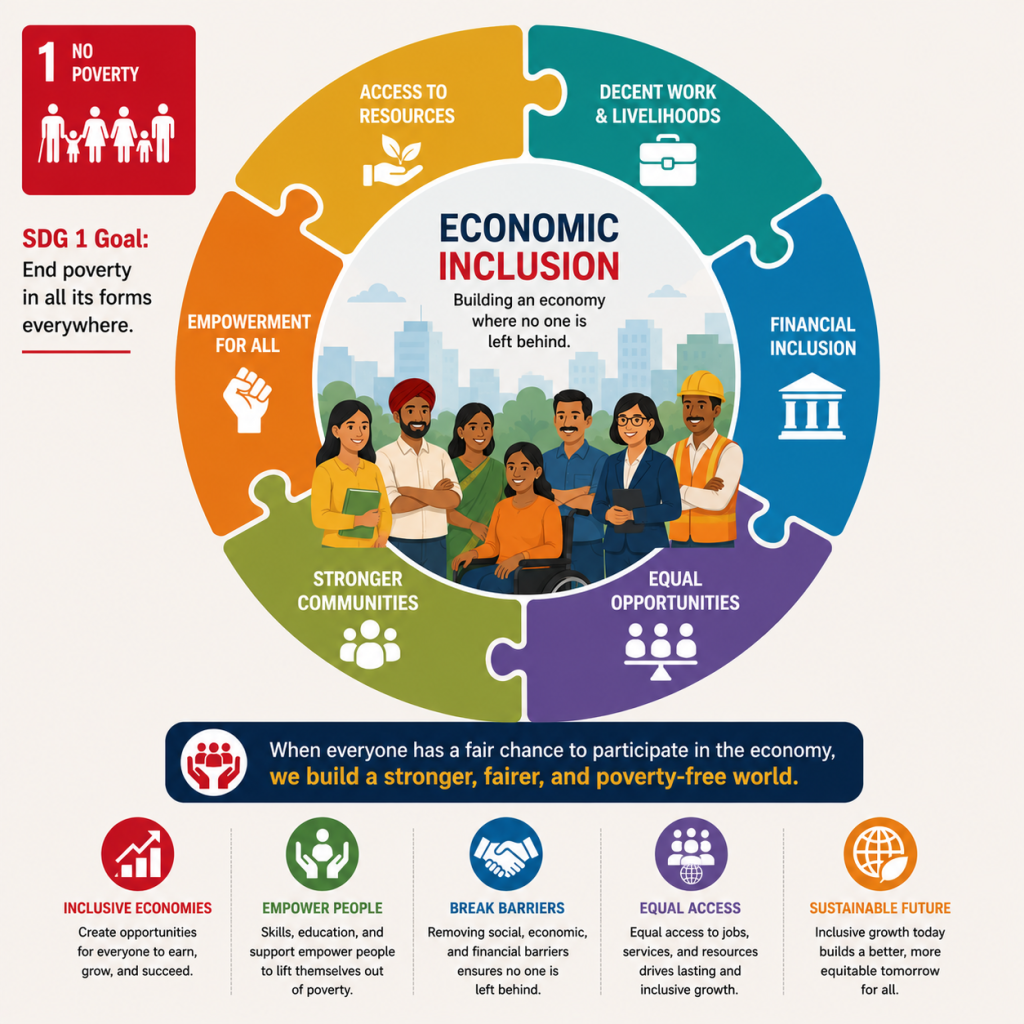
Economic inclusion refers to the process of ensuring that all individuals and communities can participate fully in the economic life of their society. It means having access to employment, financial services, markets, and the legal protections that make productive participation possible. Importantly, economic inclusion is not only about removing formal barriers. It also addresses the informal constraints that prevent meaningful participation. Social discrimination, geographic isolation, and lack of information all function as invisible barriers that formal policy reforms often miss. Therefore, true economic inclusion requires attention to both structural systems and lived realities.
Economic participation across communities matters because it determines how broadly prosperity is shared. When large portions of a population remain economically excluded, overall productivity suffers and social cohesion erodes. Inclusive economies, by contrast, tap into the full productive potential of their people, generating stronger and more resilient growth as a result.
How Economic Inclusion Supports SDG 1
SDG 1 calls for the eradication of extreme poverty and the implementation of social protection systems that reach the most vulnerable. Economic inclusion supports both of these objectives directly. By expanding access to opportunities, inclusion creates the conditions under which individuals can escape poverty through their own productive activity rather than remaining dependent on transfers alone.
Reducing long term poverty risks is equally important. Economic exclusion creates compounding vulnerabilities. A household without bank access cannot save during good times. A worker without formal employment has no protection during downturns. A small business without credit cannot survive a slow season. Each of these gaps increases exposure to poverty over time. As detailed in our post on SDG 1 and social protection systems, combining formal protection with inclusive economic participation creates far stronger poverty buffers than either approach can achieve on its own.

Access to Finance and Economic Participation
Financial accessibility is one of the most direct levers for advancing economic inclusion. Without access to credit, savings, insurance, and payment systems, individuals cannot invest in education, manage risk, or build productive assets. Financial exclusion therefore locks people into cycles of vulnerability that are extremely difficult to break.
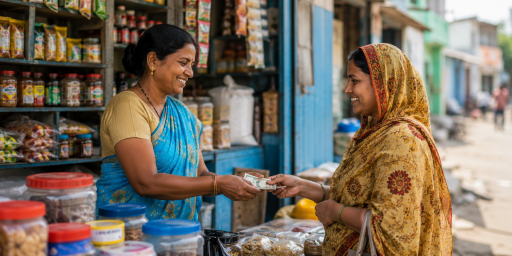
Supporting underserved populations through accessible financial tools produces measurable outcomes. Microfinance programs have demonstrated repeatedly that low income individuals repay loans at high rates when given the opportunity. Mobile banking has extended financial access to rural populations that traditional bank networks never reached. And community savings cooperatives have shown that collective financial tools can be highly effective even in low income settings. As examined in our post on SDG 1 and microfinance as a tool for poverty reduction, financial access consistently emerges as one of the strongest predictors of household economic resilience.
Key dimensions of financial inclusion that support economic participation include:
- Affordable savings accounts accessible to low income individuals
- Credit products scaled to the needs of small and informal businesses
- Insurance coverage that protects against health, agricultural, and economic shocks
- Digital payment systems that reduce transaction costs and extend market reach
- Financial literacy programs that build capacity to use these tools effectively
Role of Businesses in Economic Inclusion
Businesses shape the landscape of economic inclusion more than almost any other actor. Their hiring decisions, supplier choices, wage practices, and investment priorities collectively determine whether economic opportunity concentrates or distributes. Consequently, responsible business practices are not simply an ethical preference. They are a structural contribution to poverty reduction. Inclusive hiring practices, for example, can open employment pathways for women, youth, people with disabilities, and workers from marginalized communities. When companies actively diversify their workforces and invest in employee development, they expand the circle of people who benefit from economic growth. Creating opportunities through sustainable growth means designing business models that can generate value over the long term while sharing that value equitably.
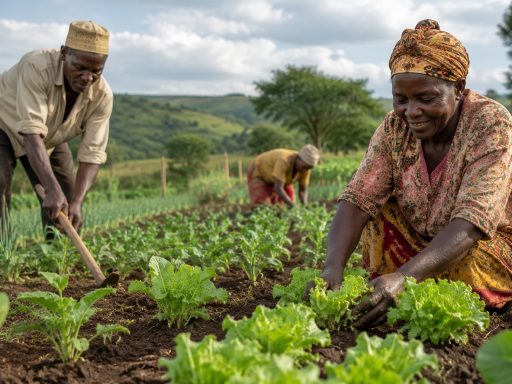
A compelling example comes from Rwanda, where a network of agribusiness companies committed to sourcing from smallholder farmers rather than larger commercial producers. By paying fair prices and providing technical training, these companies helped thousands of rural households move from subsistence agriculture into viable commercial farming. The result was a more resilient supply chain for the companies and a genuine income improvement for previously excluded farmers, demonstrating how business driven economic inclusion can serve both commercial and development objectives simultaneously. Our post on sustainable business models explores how companies can embed inclusion into their core strategies rather than treating it as a peripheral concern.
Technology and Inclusive Economies
Technology is fundamentally reshaping what economic inclusion looks like in practice. Digital access and financial participation now go hand in hand. Mobile platforms allow people in the most remote communities to open accounts, send money, receive payments, and access credit without ever visiting a physical institution.
Innovation supporting inclusion extends well beyond banking. Digital marketplaces connect smallholder farmers and artisan producers directly with buyers, eliminating costly intermediaries that historically captured much of the value generated by small producers. E-learning platforms extend skills training to workers who cannot access traditional educational institutions. And digital identity systems allow previously undocumented individuals to access formal services for the first time.
However, as our post on how AI is revolutionizing sustainable business practices highlights, technology only advances inclusion when it is designed with underserved populations in mind. Digital tools that assume reliable internet connectivity, smartphone ownership, or baseline digital literacy may inadvertently deepen exclusion rather than reduce it. Therefore, intentional design and targeted digital literacy investment are essential complements to any technology driven inclusion strategy.
Barriers to Economic Inclusion
Despite meaningful progress in some regions, significant barriers to economic inclusion remain. Income inequality sits at the top of this list. Extreme concentrations of wealth and income limit the political will to redistribute opportunity, create unequal starting points that compound over generations, and restrict social mobility even in growing economies. Reducing income inequality is therefore inseparable from advancing economic inclusion.
Infrastructure and accessibility gaps compound the challenge. Poor road networks, unreliable electricity, and limited internet connectivity all restrict economic participation in rural and remote areas. Moreover, inadequate public services like healthcare and education drain household resources that might otherwise go toward savings or investment. These infrastructure deficits are not neutral economic conditions. They actively exclude communities from opportunities that better connected populations take for granted. Our post on SDG 1 and poverty data documents how these structural gaps translate into persistent poverty measurement disparities across regions and population groups.
Strategies to Strengthen Economic Inclusion
Effective strategies for strengthening economic inclusion combine immediate access interventions with long term structural reform. Cross sector collaboration is particularly powerful in this regard. When governments, businesses, NGOs, and community organizations align their resources and expertise around shared inclusion goals, the combined impact far exceeds what any single actor could achieve independently. This type of partnership driven approach is central to the framework explored in the role of partnerships in achieving sustainable development goals.
Long term economic planning that embeds inclusion as a core objective, rather than an add on program, produces more durable outcomes. This means designing tax systems that reduce inequality, investment policies that direct capital toward underserved regions, and regulatory frameworks that lower barriers to formal economic participation for small businesses and individual entrepreneurs. Inclusion cannot be achieved through isolated interventions. It requires a sustained systemic commitment across the entire policy environment.
Future Outlook
The trajectory of economic inclusion over the coming decade will significantly determine whether SDG 1 remains achievable. Building inclusive economic systems requires treating access, participation, and fair distribution as non-negotiable foundations of economic policy, not optional enhancements.
Supporting SDG 1 progress through sustainable development means ensuring that economic growth in the coming years does not replicate the exclusionary patterns of the past. This involves scaling digital inclusion, strengthening social protection floors, investing in productive infrastructure in underserved regions, and holding businesses accountable for their inclusive growth commitments. The tools and frameworks to achieve this already exist. What remains essential is the political and institutional will to use them.
Conclusion
Economic inclusion remains essential for achieving SDG 1 because poverty is not simply a shortage of money. It is a shortage of access, opportunity, and participation. When individuals and communities gain the tools they need to engage fully in economic life, poverty reduction becomes self-sustaining rather than perpetually dependent on external support.
Creating lasting social and economic impact therefore requires far more than targeted poverty programs. It demands economies that are structurally designed to include rather than exclude, supported by responsible businesses, forward thinking governments, and communities with genuine voice in the decisions that shape their futures. The path to ending poverty runs directly through the goal of making economies work for everyone.