

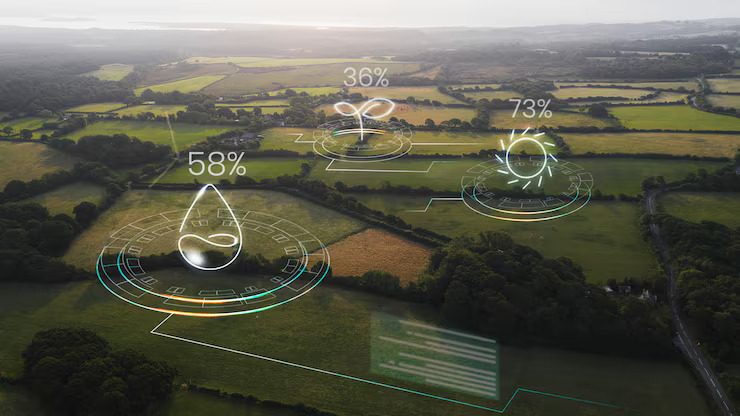
Smart technologies are redefining how businesses function in a rapidly changing global environment. Organizations today use digital technologies to increase productivity and decrease environmental impact. This shift promotes digital transformation sustainability, which blends innovation and ethical behaviors. Businesses are using AI, IoT, and data analytics to improve operations and make more informed decisions. Companies may use these technologies to measure energy use, manage resources, and decrease waste more effectively.
Modern businesses recognize that sustainability is no longer optional. Customers and investors want firms to be responsible. Organizations that use Smart Technologies in Business can link revenue with environmental aims. These technologies deliver real-time analytics that enable firms to discover inefficiencies and enhance performance. As a consequence, businesses achieve economic development while also ensuring their sustainability.
Forward-thinking economies, including Norway, are driving this transformation. They incorporate technological innovation into their business ecosystems. This method strikes a balance between development and environmental responsibilities. Finally, smart technology in business help firms construct robust and sustainable operations for the future.
Role of AI in Smart Technologies in Business for Sustainability
Artificial intelligence is a key component of smart technology in business, enhancing decision-making and operational efficiency. AI systems use enormous amounts of data to find patterns and anticipate outcomes. This capacity enables businesses to improve operations while reducing resource use. As a result, AI in sustainability becomes a critical driver of ecologically responsible corporate operations. Businesses employ artificial intelligence to manage energy use in production and logistics. Predictive analytics enables firms to estimate demand and decrease waste. These insights contribute to digital transformation sustainability by connecting operations with environmental objectives. AI also improves supply chain efficiency by spotting inefficiencies and proposing solutions.
Furthermore, AI promotes creativity in product creation. Companies use data-driven insights to create environmentally friendly goods. This strategy minimizes environmental effect while preserving quality. Businesses may achieve long-term development and competitiveness by using smart technology. AI usage continues to grow across sectors. Businesses that invest in AI-powered solutions gain a strategic advantage. They increase efficiency, save costs, and support sustainability initiatives. This trend emphasizes the expanding role of smart technologies in business in determining the future of sustainable development.

IoT and Data Analytics in Smart Technologies in Business
The Internet of Things (IoT) and data analytics are critical components of smart technologies in business. IoT devices gather real-time information from machines, systems, and surroundings. This data enables firms to track performance and find inefficiencies. As a consequence, businesses may make educated decisions that promote sustainability. Data analytics converts raw data into useful insights. Companies evaluate energy usage, production output, and supply chain performance. These insights help businesses to improve operations and cut waste. Companies that use smart business solutions increase efficiency while reducing their environmental impact.
IoT also improves transparency throughout processes. Businesses keep track of their resource consumption and guarantee they meet sustainability criteria. This visibility promotes responsibility and responsible practices, which contribute to the long-term viability of digital transformation. Organizations may respond rapidly to concerns while being operationally efficient. The integration of IoT and analytics produces a formidable framework for long-term corporate management. Companies get control of their operations and enhance decision-making. Organizations use Smart Technologies in Business to construct resilient systems that promote long-term sustainability and growth.
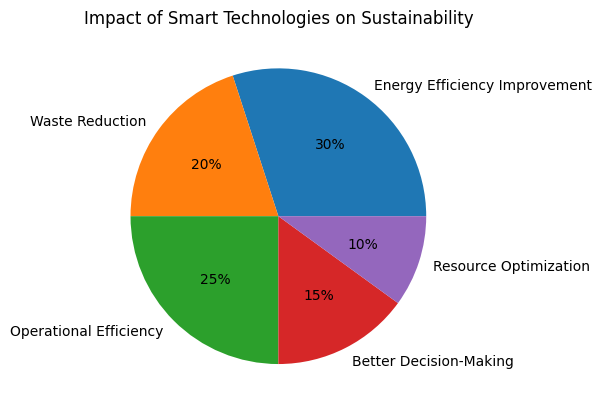
Traditional Systems vs Smart Technologies in Business
Understanding the difference between traditional systems and smart technologies in business highlights the benefits of digital transformation.
| Feature | Traditional Systems | Smart Technologies in Business |
|---|---|---|
| Data Collection | Manual and delayed | Real-time automated data |
| Decision-Making | Reactive | Predictive and proactive |
| Efficiency | Limited optimization | High efficiency through automation |
| Sustainability | Minimal focus | Strong digital transformation sustainability |
| Innovation | Slow adoption | Continuous tech-driven innovation |
Traditional systems frequently lack real-time information, making resource management ineffective. In contrast, smart business technology allow for continuous data flow and analytics. This skill helps businesses to make sound decisions rapidly. Businesses that use smart technology increase operational efficiency and decrease environmental impact. They also encourage innovation by incorporating cutting-edge equipment into their procedures. As a consequence, businesses that use smart technology have a competitive advantage in today’s marketplaces.
Norway as a Leader in Smart Technologies in Business
Norway is a global leader in smart technology for businesses and sustainable innovation. To encourage sustainability, the government has integrated innovative technology into its economic system. Norwegian businesses use smart business solutions to increase productivity and decrease environmental impact.
Equinor Advancing Sustainability
Equinor is a prime illustration of how smart technology in business can convert a typical energy corporation into a sustainability leader. The corporation has aggressively implemented artificial intelligence, advanced data analytics, and digital twins in its operations. These tools enable Equinor to monitor offshore installations in real time, maximize energy output, and dramatically cut emissions. The firm uses predictive analytics to identify probable equipment breakdowns before they occur, increasing productivity and reducing environmental concerns.
Equinor also makes significant investments in AI for sustainability to improve decision-making across the value chain. Its smart technologies evaluate massive datasets from drilling, production, and logistical operations. This improves resource allocation and eliminates wasteful energy usage. The company’s digital transformation strategy is firmly aligned with digital transformation sustainability, ensuring that innovation contributes directly to environmental objectives. Equinor has effectively reduced operational expenses while maintaining high safety standards by leveraging automation and smart monitoring.
Equinor’s focus on renewable energy integration is another important performance indicator. The company employs innovative business solutions to manage offshore wind farms and maximize energy output. Digital tools assist to balance supply and demand, making renewable energy more reliable and efficient. This approach emphasizes how technological innovation aids the shift to greener energy sources. Equinor’s commitment to smart technologies in business establishes it as a global leader in sustainable energy transformation. Its ability to mix technology and environmental responsibility exemplifies how businesses may achieve long-term success while lowering their carbon impact.
Telenor Driving Digital Sustainability
Telenor is a key player in expanding smart technologies in business by utilizing digital connections and data-driven solutions. This is a global telecommunications operator, employs sophisticated analytics, cloud computing, and IoT technologies to improve operational efficiency and sustainability. The company’s digital infrastructure serves millions of users while reducing energy usage through effective network management. Telenor actively uses smart business solutions to increase resource efficiency throughout its operations. The firm uses AI-powered tools to monitor network performance and forecast maintenance needs. This proactive strategy minimizes downtime and energy loss. In addition, Telenor incorporates AI into sustainability to improve data centers, which are large energy consumers. These systems modify power use in response to demand, guaranteeing effective energy utilization.
Furthermore, the organization contributes to the long-term viability of digital transformation by allowing other industries to embrace smart technology. Telenor offers IoT solutions that enable organizations to manage assets, monitor environmental conditions, and increase logistics efficiency. These services help industries reduce their environmental effect while increasing production. Telenor’s dedication to decreasing carbon emissions throughout its network operations stands out as a key performance indicator. To meet its sustainability goals, the corporation employs renewable energy and energy-efficient technology. Telenor’s role in developing a connected and sustainable digital environment grows as a result of technological progress.
By integrating Smart Technologies in Business, Telenor illustrates how telecoms firms can drive sustainability. Its emphasis on innovation, efficiency, and environmental stewardship makes it an important participant in Norway’s sustainable business scene.
FAQs
1. What are Smart Technologies in Business?
Smart technologies in business refer to digital tools like AI, IoT, and analytics that improve efficiency and sustainability.
2. How do smart technologies support sustainability?
They reduce energy consumption, optimize resources, and enhance decision-making.
3. What is digital transformation sustainability?
It is the integration of digital tools to achieve environmental and economic goals.
4. Why is AI important in sustainability?
AI analyzes data to improve efficiency and reduce environmental impact.
5. Which countries lead in smart business solutions?
Countries like Norway lead in adopting smart technologies in business for sustainable growth.
Future of Smart Technologies
The future of smart technology in business is inextricably related to sustainable innovation and economic success. As technology progresses, businesses will increasingly use digital tools to boost productivity and decrease environmental impact. Sustainable business environments will be shaped in large part by technological innovations. Organizations are likely to increase their investments in AI, IoT, and analytics. These technologies will allow firms to monitor their operations in real time and make data-driven choices. This strategy promotes digital transformation sustainability by linking corporate strategies to environmental goals.
Governments and companies will work together to encourage sustainable practices. Policies and incentives will encourage enterprises to use smart technology. As a consequence, Smart Technologies in Business will become common practice across sectors. Finally, smart technologies are changing the way organizations operate today. They increase efficiency, lower expenses, and promote sustainability. Companies that embrace these ideas will shape the future of sustainable development and provide long-term benefit for stakeholders.
According to insights from the International Energy Agency (IEA), digital technologies are playing a crucial role in improving energy efficiency and accelerating sustainable transformation across industries. Read more…