



Why the World Must Act Now for Sustainability?
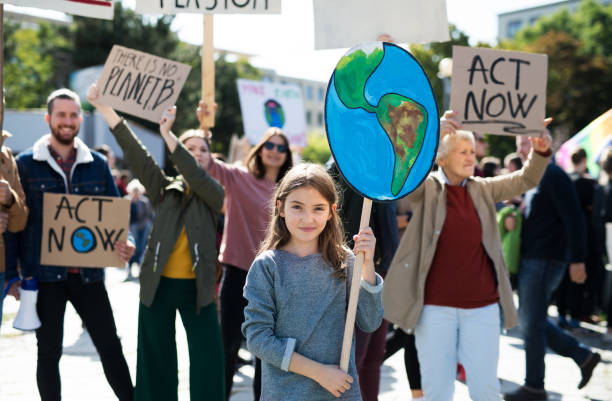
A pivotal year for world development is 2026. The threats associated with climate change are rapidly increasing. Social divides are still growing. Resource strain impacts every economy. Act now for sustainability is no longer just a catchphrase. It is essential. Businesses, governments, and individuals all need to go beyond making promises to doing action. Delays today result in increased expenses later. Taking decisive action in early 2026 can still alter the results. This is a time for cooperation, clarity, and urgency. Goals for sustainability and economic stability are closely related. Together, they safeguard environments and people.
Taking immediate action for sustainability also supports innovation and resilience. Well-defined strategies lessen uncertainty. In just a few months, concrete actions can have a noticeable effect. This article explains where action is most important. It emphasizes practical solutions that support the SDGs. Progress, not perfection, is the aim. 2026 has the potential to become a pivotal year if people make wise choices.
Governments Must Lead with Policy and Accountability
Acting immediately to implement act now for sustainability plans is crucial for governments. Policy shapes public behavior and markets. Clear climate legislation sends strong signals to investors. Carbon pricing encourages cleaner manufacturing. Renewable energy objectives drive infrastructure development. Governments may prioritize green initiatives in public expenditure. Transparent reporting fosters confidence. National strategies must be in line with the SDGs. Robust institutions aid in the enforcement of environmental regulations. Local governments are important as well. Cities oversee the trash, housing, and transportation systems. Smart urban policy quickly reduces emissions. Data-driven governance enhances results. International collaboration improves results. Shared standards lessen loopholes. Climate adaptation funding safeguards vulnerable communities. Costs remain lower when governments take early action. Economic hazards increase when people delay action. Effective leadership transforms sustainability into a catalyst for expansion.
Key government focus areas
- Clean energy policy
- Climate-resilient infrastructure
- Social equity programs
- Transparent sustainability reporting
Businesses Must Turn Commitments into Measurable Impact
Corporate action determines the success of “Act Now for Sustainability. Numerous businesses have already established ESG goals. They now have to produce outcomes. Sustainable operations decrease long-term expenses. Energy efficiency enhances margins. Circular models decrease waste. Ethical supplier chains safeguard brand confidence. Consumers favor ethical brands. Investors prefer. Companies should incorporate sustainability into their strategy. Thinking in terms of short-term profit is no longer effective. Data tracking increases accountability. Science-based goals guide progress. Green innovation opens new markets. Workforce training supports change. The most important thing is leadership commitment. Decision-making authority is essential for sustainability teams. Small businesses also participate. Even basic activities create momentum. Impact grows more quickly when companies work together.
Sustainability Strategy Comparison Table
| Approach | Short-Term Cost | Long-Term Value | Risk Level |
|---|---|---|---|
| Traditional model | Low | Declining | High |
| Partial ESG adoption | Medium | Moderate | Medium |
| Integrated sustainability | Medium | High | Low |
Individuals Daily Change and Act Now for Sustainability
Individual conduct for Act Now is very supportive . Now let’s talk about sustainability every day. Little decisions have a big overall influence. Consumption habits shape markets. Energy consumption impacts emissions. Food choices influence land usage. Waste practices determine resource loss. Education increases awareness. Digital technologies can monitor impact. People are able to support ethical brands. Repair culture decreases waste. Public participation strengthens policy. Voting shapes leadership priorities. Community involvement increases resilience. Changes in lifestyle don’t have to mean less comfort. Efficiency saves money, and shared solutions improve access. By setting an example, social norms change. Systems react more quickly when humans act now. Individual accountability strengthens global advancement.
High-impact individual actions
- Reduce food waste
- Use energy efficiently
- Choose low-carbon transport
- Support sustainable businesses

Technology Accelerates Sustainability Progress in 2026
Act Now for Sustainability may advance quickly thanks to technology. Digital instruments enhance monitoring. AI optimizes energy systems. Smart grids balance supply and demand. Clean technology decreases emissions. Transparency in data enhances accountability. Innovation reduces green expenses. Fintech supports sustainable finance. Blockchain enhances supply chain traceability. Remote sensing monitors deforestation. Digital education disseminates best practices. Technology also enhances resilience. Early warning systems decrease disaster risk. Access is still difficult. Tech policy that is inclusive is important. Impact should be the main emphasis of investment. Open data encourage the collaboration. It’s crucial to utilize technology responsibly. Technology doubles outcomes when it is in line with policy.
Act Now for Sustainability with the SDGs
Act now for sustainability priorities are guided by the SDGs. They provide a common worldwide foundation. Objectives link society, the economy, and the environment. Health is supported by climate action. Jobs are supported by clean energy. Innovation is aided by education. Resilience is strengthened by equity. Alignment prevents dispersed attempts. SDGs may be mapped to policies by governments. KPIs and objectives can be connected by businesses. People are able to comprehend effect routes. Comparability is enhanced by reporting. Funding is drawn to SDG alignment. Additionally, it enhances coordination. Local adaptability is still crucial. Global objectives provide adaptable strategies. Trust is enhanced by shared measurements. Gaps are shown via progress tracking. The SDGs give aspiration a framework.
Overcoming Barriers in Way of Act Now for Sustainability
Barriers delay the act now for the sustainability initiatives. Financial restrictions impede adoption. Policy gaps cause uncertainty. Misinformation causes delays in help. Skill shortages have an impact on implementation. Fragmented governance reduces impact. Change continues to be met with resistance. There are solutions for each impediment. Blended financing lowers risk. Clear regulation increases confidence. Education increases support. Public-private partnerships split costs. Capacity building enhances institutions. Communication promotes comprehension. Evidence-based planning alleviates worry. Early success stories generate momentum. Flexibility promotes change. Overcoming hurdles necessitates collaboration. Delays simply make things more difficult.
Measuring Progress and Ensuring Accountability
In act now for sustainability, success is defined via measurement. Clear metrics drive action. Baselines permit comparability. Transparent reporting increases confidence. Independent audits increase credibility. Digital dashboards enable tracking. Indicators should represent actual impact. Short-term victories matter. Long-term goals provide direction. Accountability promotes behavioral change. Stakeholder participation improves supervision. The public’s access to data adds pressure. Consistency in standards is important. Regular evaluations enable adjustments. Learning enhances results. Without measurement, goals remain metaphorical. Strong accountability transforms plans into results.
The Economic Case for Act Now for Sustainability in 2026
Economic rationale supports Act Now for sustainability. Prevention is less expensive than repair. Climate degradation poses a danger to GDP. Clean energy generates jobs. Efficiency lowers expenditures. Innovation promotes competitiveness. Sustainable financing reduces capital risk. Markets reward resilience. Delayed action raises volatility. Insurance losses have already risen. Supply chains are disrupted. Early movers have an edge. Transition expenses decrease over time. Green growth promotes stability. Economic recovery coincides with sustainability. Smart investing safeguards prosperity. Acting now will ensure long-term value.
Act Now for Sustainability Conclusion
2026 requires serious action. This is the Act Now for sustainability moment. Governments must take strong initiatives. Businesses must get outcomes. Individuals must engage every day. Technology must promote inclusivity. The SDGs give direction. Barriers can be overcome. Measurement promotes accountability. Economic rewards encourage action. Delays are no longer a possibility. Cooperation is essential for progress. Optimism remains justifiable. Solutions already exist. What important right now is speed. Collective activity can still influence results. Sustainability is not a compromise. This is an opportunity. Acting today will ensure a livable tomorrow. 2026 has the potential to be a year of significant transformation.
Top 5 Google Questions About Act Now for Sustainability
What does Act Now for Sustainability mean?
It means taking immediate, practical actions that reduce environmental and social risks while supporting long-term development.
2. Why is sustainability urgent in 2026?
Climate impacts and inequality are accelerating, making early action more effective and less costly.
3. How can businesses act now for sustainability?
By integrating ESG into strategy, measuring impact, and investing in clean innovation.
4. What role do individuals play?
Daily choices influence markets, policy, and social norms that support sustainability.
5. How does sustainability support economic growth?
It reduces risk, creates jobs, improves efficiency, and strengthens long-term stability.