

Norway has emerged as a global environmental reference point, with circular economy practices at the heart of this change. As environmental concerns grow, Norwegian enterprises are rethinking how they design, manufacture, and utilize resources. Companies are shifting away from the conventional take-make-waste approach in favor of waste-reduction and product life extension methods. These modifications advance climate objectives while also improving long-term competitiveness. In recent years, Circular Economy methods have moved from theory to reality in the energy, manufacturing, retail, and construction sectors. Businesses increasingly perceive circularity as a growth strategy, rather than a financial constraint. Transparency, innovation, and digital tracking enable businesses to assess impact and create trust. Consumers in Norway also expect ethical production, hastening adoption.
Understanding Circular Economy Practices in the Norwegian Context
To understand circular economy practices in Norway, one must look at how value stays within systems longer. Norwegian firms prioritize reuse, repair, refurbishing, and recycling above disposal. This method is consistent with national climate targets and EU sustainability guidelines. Companies build their goods to be durable and easy to disassemble. Material loops are used to replace linear supply chains. In Norway, circularity is frequently associated with sustainable energy and low-carbon logistics. Businesses also conduct life-cycle evaluations to identify waste hotspots. Digital technologies increase traceability and resource efficiency. These strategies related to the circular economy save money over time while reducing environmental impact. Norwegian regulators actively facilitate this transformation with incentives and reporting requirements. As a result, circular thinking is already informing corporate strategy across industries.
Government Policies Supporting Circular Economy Practices in Norway
Strong policy frameworks promote circular economy practices throughout Norwegian industry. The government encourages circularity through waste reduction objectives, enhanced producer responsibility, and green procurement policies. National initiatives urge enterprises to adapt their goods and reduce resource extraction. Public financing encourages circular innovation and pilot programs. Norway also supports EU circular economy action plans. Tax breaks encourage recycling and material recovery. Clear reporting procedures increase responsibility. These rules assist firms in transitioning from voluntary to formal deployment. Companies are now incorporating circular economy ideas into their compliance efforts, rather than regarding them as optional. Public-private partnership bolsters progress. As rules develop, circular business models acquire long-term viability.
How Norwegian Energy Companies Apply Circular Economy Practices
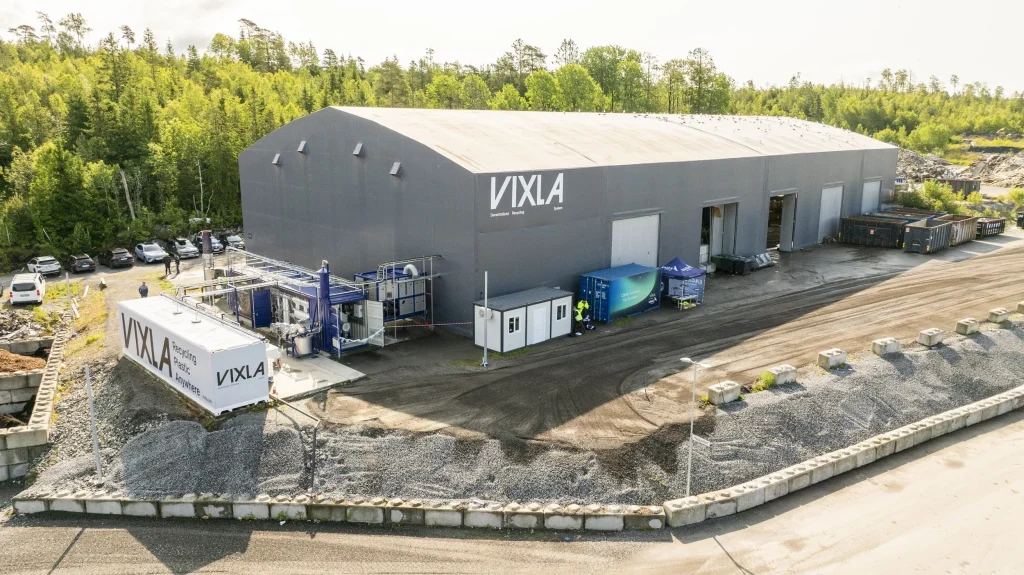
Energy businesses play an important role in promoting Circular Economy principles in Norway. Renewable energy leaders prioritize extending asset lifecycles and recycling resources. Wind energy firms recycle turbine parts and reuse metals. Hydropower operators update existing facilities rather than developing new ones. Oil and gas companies are progressively reusing offshore infrastructure and reducing decommissioning trash. Equinor, for example, uses circular concepts for platform reuse and material recovery. These measures minimize both emissions and expenses. Transparency in reporting promotes accountability. Energy companies also engage with recycling partners. Recycling initiatives currently help Norway’s energy transition while conserving natural resources.
Circular Economy Practices in Norwegian Manufacturing, Retail and Consumer Brands
In order to remain competitive, Norwegian manufacturing enterprises actively employ circular economy practices. Firms adapt their goods to utilize less raw resources. Modular designs enable simple repairs and upgrades. Industrial symbiosis allows trash from one organization to be used as input for another. Norsk Hydro distinguishes out for its ability to recycle aluminum indefinitely while using little energy. This strategy lowers emissions and saves money. Manufacturers also keep track of material flows digitally. These recycling procedures improve efficiency while passing stringent environmental standards. Customers desire durability and transparency, which contribute to brand confidence. Manufacturing now demonstrates that circularity improves profitability.
Retail brands affect customer behavior, highlighting recycling activities on a large scale. Norwegian shops provide take-back services for apparel and gadgets. Brands promote reselling, repair, and rental services. Companies such as IKEA Norway invest in furniture buyback programs. Packaging is shifting toward reusable and recyclable materials. These measures help to drastically minimize landfill garbage. Clear labeling informs clients about the environmental effect. Retailers utilize data to improve inventories and reduce excess manufacturing. Circular economy approaches modify buying behaviors while ensuring convenience and quality.
Real Norwegian Projects
Several real-world initiatives demonstrate excellent circular economy principles in Norway. Norsk Hydro’s aluminum recycling method allows for nearly unlimited reuse while using minimum energy. Equinor’s offshore reuse operations extend platform lifecycles while reducing waste. Veidekke, a major construction company, reuses building materials across several projects. These firms issue clear sustainability reports. Their initiatives demonstrate how circular models function at scale. Innovation, digital technologies, and cooperation are key to success. These examples encourage other firms to embrace recycling methods with confidence and effectiveness.
| Aspect | Linear Model | Circular Economy Practices |
|---|---|---|
| Resource Use | Single use | Reuse and regeneration |
| Waste | High landfill | Minimal waste |
| Costs | Rising over time | Reduced long-term costs |
| Transparency | Limited | High traceability |
| Sustainability | Low | Strong environmental impact |
Transparency, Technology and Challenges
Transparency improves circular economy activities by increasing trust and accountability. To track goods, Norwegian enterprises employ blockchain technology and digital reporting systems. Open ESG disclosures demonstrate considerable improvement. Technology pinpoints inefficiencies and waste spots. Consumers may view certified sustainability statistics. Regulators can readily track compliance. These systems help to limit the possibility of greenwashing. By combining transparency and innovation, recycling gains credibility and verifiable effect. Technology provides constant development throughout the whole chain.
Despite advancements, circular economy practices confront obstacles. Initial fees might be discouraging for new enterprises. The supply chain’s complexity inhibits material recovery. Skills shortages impede implementation. Data integration is tricky. However, teamwork can assist overcome obstacles. Government incentives alleviate financial pressures. Shared platforms lower expenses. Education promotes adoption. Recycling gradually becoming more accessible. Norwegian firms are constantly updating their strategies to successfully manage these difficulties.
Top 5 Google Questions About Circular Economy Practices
1. What are Circular Economy practices?
They focus on reuse, recycling, and extending product lifecycles.
2. Why does Norway lead in circular economy adoption?
Strong policies, innovation, and transparency drive progress.
3. Which industries benefit most from Circular Economy practices?
Energy, manufacturing, construction, and retail.
4. Are Circular Economy practices profitable?
Yes, they reduce long-term costs and improve efficiency.
5. How can businesses start with Circular Economy practices?
Begin with waste audits, redesign products, and track materials.
Norwegian firms demonstrate that recycling and environmentally friendly measures provide actual benefit. They decrease waste, lower expenses, and increase trust. Circularity, backed by policy, technology, and consumer demand, has come to characterize responsible growth. From energy to retail, businesses demonstrate that sustainability and profitability are in sync. Transparency guarantees accountability. Innovation promotes constant improvement. As global issues grow, Norway’s experience demonstrates the capacity of circular economy principles to design a resilient, sustainable future.