

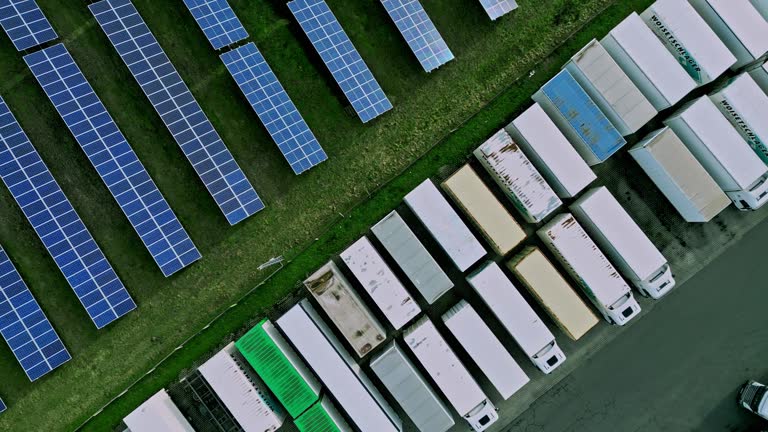
Transparent supply chains are becoming increasingly important in today’s global corporate climate, where sustainability and responsibility determine success. Companies are no longer operating in isolation. Their effect extends to suppliers, logistical partners, and manufacturing networks. Consumers, investors, and regulators are now demanding transparency into how products are obtained and manufactured. This trend has compelled firms to treat supply chain transparency as a fundamental strategy rather than an optional practice.
Modern organizations understand that openness fosters trust and mitigates operational risks. When corporations openly reveal their sourcing techniques, labor conditions, and environmental procedures, they gain trust. This method also promotes sustainable supply chains by ensuring that environmental and social criteria are followed at all stages of manufacturing. Ethical sourcing is critical in this context, since businesses must ensure that supplies originate from ethical vendors. Transparent supply chains also help decision-making. Businesses obtain real-time information about supplier performance and possible interruptions. This visibility enables firms to respond rapidly while maintaining operational efficiency. Finally, transparency links sustainability with profitability, making it an effective driver of long-term growth and company accountability.
How Transparent Supply Chains Enhance Supply Chain Transparency
The incorporation of Transparent Supply Chains greatly increases global visibility. Companies employ digital technologies like blockchain, IoT sensors, and cloud-based platforms to trace items from start to finish. These technologies ensure that each stage of the supply chain is tracked and confirmed. As a consequence, supply chain transparency becomes measurable and consistent, rather than speculative. Transparent procedures enable organizations to better monitor supplier conduct. They detect inefficiencies, minimize waste, and verify that sustainability criteria are met. This technique improves company responsibility by making it simpler to identify unethical behavior. Companies, for example, can monitor whether their suppliers adhere to labor and environmental rules.
Transparency also fosters collaboration among parties. Integrated systems enable suppliers, manufacturers, and distributors to share data. This shared visibility minimizes misunderstandings and improves teamwork. Transparent Supply Chains help firms foster an open and responsible culture. Finally, transparency helps businesses to establish resilient operations. When interruptions occur, enterprises can rapidly determine the cause of the problem and take corrective action. This proactive strategy promotes both sustainability and operational efficiency.
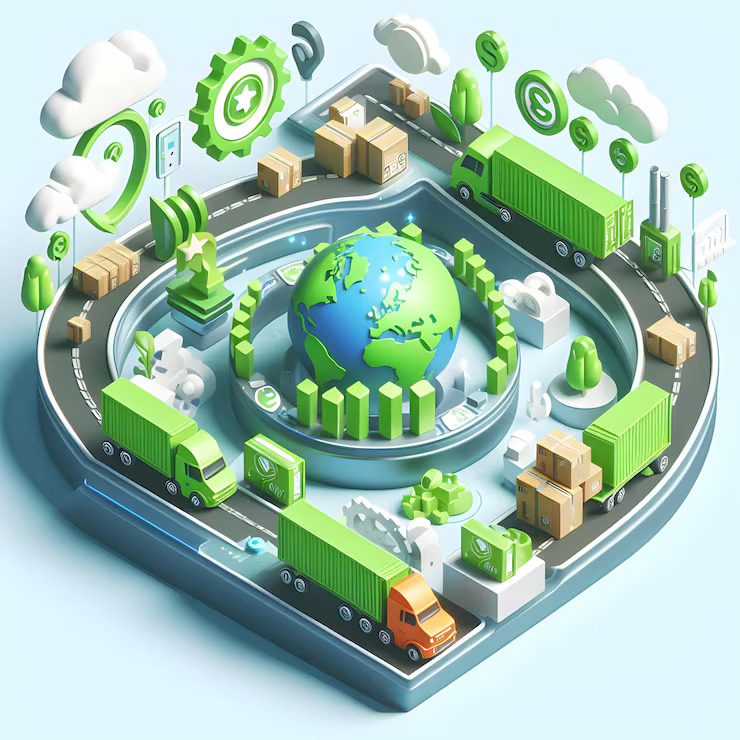
Ethical Sourcing and Sustainable Supply Chains Through Transparency
Transparent Supply Chains rely heavily on ethical sourcing practices. Companies must guarantee that raw materials are obtained properly, without causing environmental damage or labor exploitation. Transparency enables firms to audit supplier operations and ensure compliance with international standards. This strategy enhances supply chains by connecting manufacturing practices with ethical principles. Organizations frequently use supplier audits and certification programs to encourage ethical sourcing. These steps guarantee that partners comply with environmental and labor rules. Digital monitoring solutions give real-time data on sourcing activity, allowing businesses to detect dangers rapidly. Businesses may maintain control over complicated global operations by implementing transparent supply chain practices.
Transparency in resource management helps to promote sustainability. Companies may track energy use, trash output, and carbon emissions throughout supply chains. This data assists organizations in developing measures to lessen their environmental effect. As a consequence, sustainable supply chains become more efficient and eco-friendly.
Ethical sourcing not only benefits the environment, but it also improves brand reputation. Customers want businesses that display accountability and integrity. Transparent Supply Chains help firms build confidence and produce long-term value for stakeholders.
Traditional vs Transparent Supply Chains
Understanding the difference between traditional supply chains and transparent supply chains highlights the importance of visibility and accountability in modern business operations.
| Feature | Traditional Supply Chains | Transparent Supply Chains |
|---|---|---|
| Visibility | Limited tracking | Full traceability |
| Data Access | Restricted | Real-time shared data |
| Accountability | Low | High business accountability |
| Sustainability | Reactive approach | Proactive sustainable supply chains |
| Risk Management | Delayed response | Immediate issue detection |
Traditional supply chains sometimes lack visibility, making it harder to detect inefficiencies or unethical behaviour. Transparent supply chains, on the other hand, provide for total traceability from raw materials to completed goods. This visibility improves supply chain transparency, allowing firms to make more informed decisions. Businesses that implement transparency frameworks may continually monitor performance. They mitigate the risks associated with supply interruptions and regulatory non-compliance. Transparent Supply Chains improve accountability and sustainability, giving them a competitive advantage in global marketplaces.
Nordic and Norwegian Examples of Transparent Supply Chains
The Nordic nations, notably Norway, show strong devotion to sustainability and openness. Several sectors widely use transparent supply chains to ensure ethical sourcing and environmental responsibility. Norwegian businesses follow strong standards that encourage supply chain transparency and corporate accountability.
Yara International is an excellent example of a company that uses transparent sourcing for raw materials used in fertilizer manufacture. The organization use digital monitoring technologies to monitor supply chain activity and assure environmental compliance. This method builds sustainable supply chains and promotes ethical sourcing.
Another example is Mowi, one of the world’s leading fish producers. Mowi uses traceability technologies that enable customers to monitor the origin of their products. The firm promotes ethical aquaculture and environmental preservation. Mowi improves customer trust and company responsibility by using transparent supply chain practices.
These examples show how Norwegian enterprises integrate openness into their operations. By emphasizing ethical sourcing and sustainability, they establish worldwide norms for responsible supply chain management.

The Future of Transparent Supply Chains in Sustainable Business
The future of Transparent supply chains is inextricably tied to the progress of sustainable business practices. To be competitive in today’s global marketplaces, businesses must use transparent processes. Transparency in the supply chain allows businesses to create trust, increase efficiency, and lessen their environmental effect. Technological improvements will continue to increase transparency. Blockchain, artificial intelligence, and data analytics will bring more insights into supply chain processes. These tools will improve corporate responsibility and compliance with sustainability criteria. Companies who invest in these technologies will have a major edge.
Sustainable supply chains will become the norm, not the exception. Businesses will prioritize ethical sourcing and environmental responsibility in all decisions. Organizations that embrace Transparent Supply Chains may match revenue with environmental objectives.
International frameworks such as the OECD guidelines for responsible business conduct encourage companies to adopt transparent and accountable supply chain practices.