

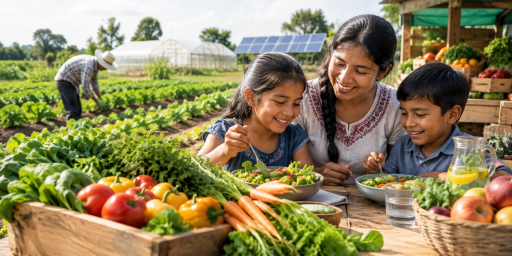
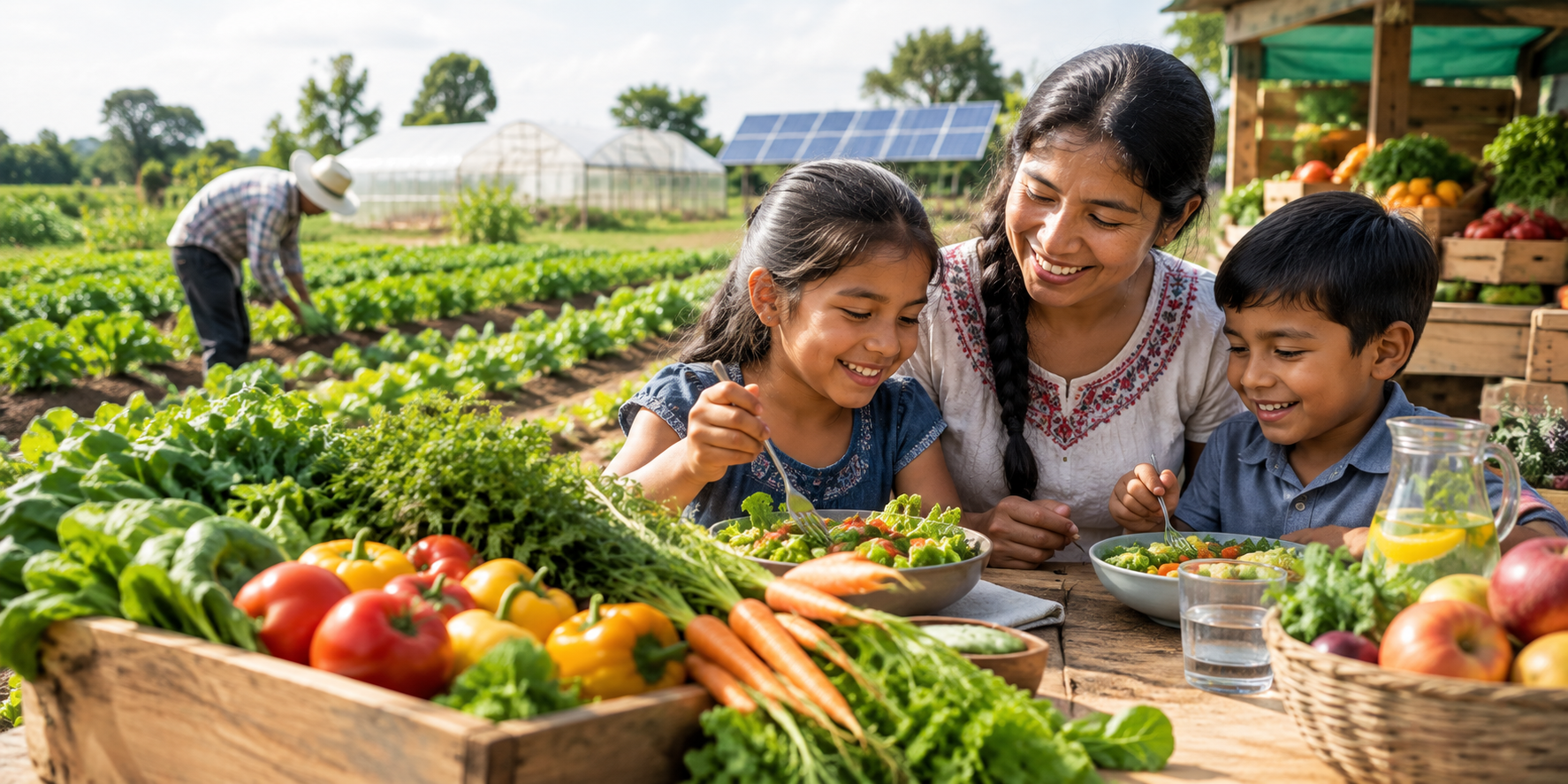
The world produces enough calories to feed everyone. Yet malnutrition persists across both wealthy and developing nations. This contradiction reveals something important: healthy food systems matter just as much as raw production volume when it comes to achieving sustainable development goal 2, which targets zero hunger and better nutrition for all.
Producing enough food is not enough without nutritional quality. A food system can deliver abundant calories while still leaving populations deficient in protein, vitamins, and minerals essential for health. Therefore, the conversation around SDG 2 has shifted from simply growing more food toward building systems that deliver genuinely nourishing food to everyone who needs it.
What Are Healthy Food Systems
Healthy food systems encompass the entire journey food takes, covering production, distribution, and consumption, while prioritizing nutritional outcomes at every stage. Production involves how crops are grown and livestock raised, distribution covers transportation and market access, and consumption addresses what people ultimately eat and why. A truly healthy food system considers all three stages together rather than optimizing one at the expense of others.
The connection between agriculture, nutrition, and health runs deeper than most people realize. What farmers choose to plant directly shapes what appears in markets, which in turn determines what households can afford to eat. For example, agricultural policies that heavily subsidize a few staple grains often make those foods significantly cheaper than fruits, vegetables, and legumes. Consequently, diets in those regions skew toward starch heavy meals, contributing to nutrient deficiencies even where hunger itself has declined. Recognizing this chain of influence helps explain why food systems, not just farms, determine population health.
How Healthy Food Systems Support SDG 2
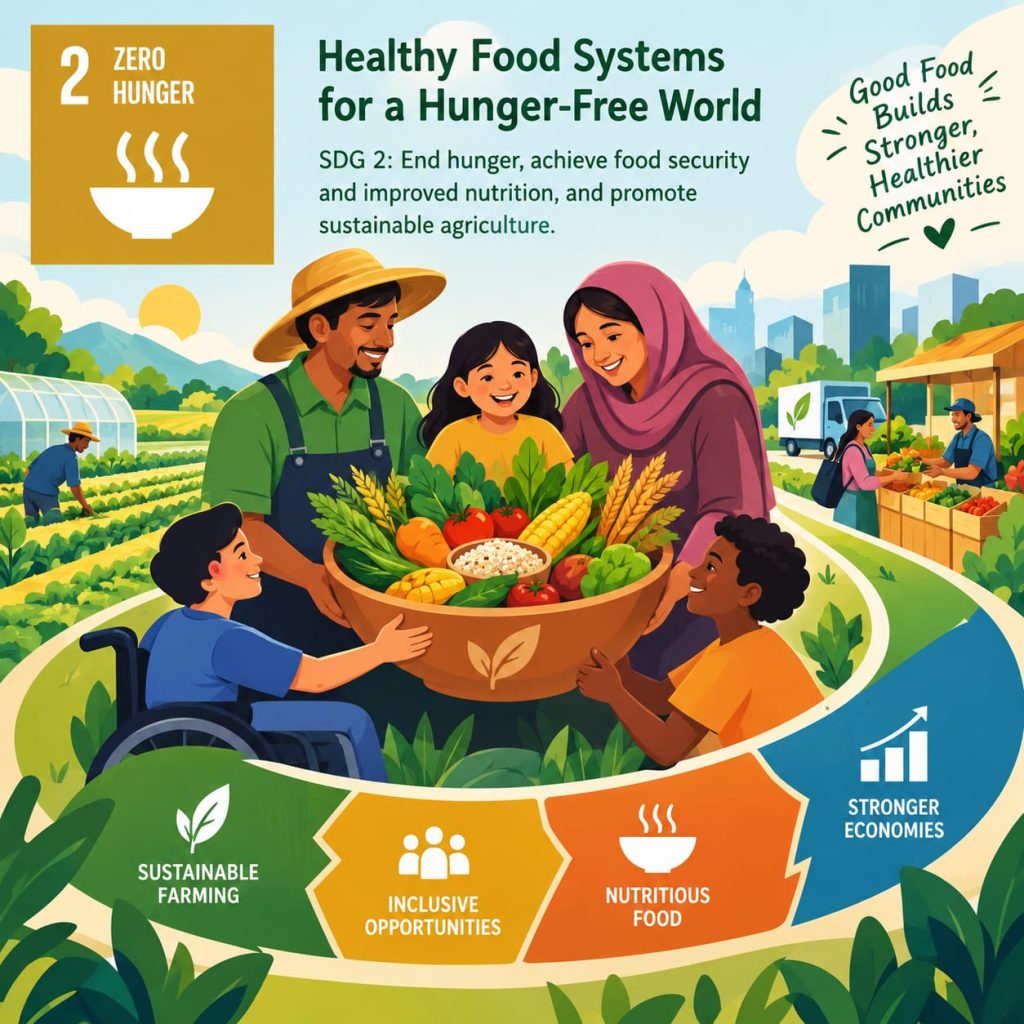
Healthy food systems advance SDG 2 through several interconnected pathways.
First, they improve access to nutritious food by ensuring diverse, nutrient rich options actually reach markets where people shop. Since access depends on both availability and affordability, well designed systems address distribution gaps that leave certain communities with limited healthy choices.
Additionally, healthy food systems support healthier communities over the long term. When populations consistently access balanced diets, rates of illness decline, children develop more fully, and workforce productivity improves measurably. As a result, the benefits extend well beyond individual health into broader community wellbeing.
Furthermore, these systems play a direct role in reducing food insecurity and malnutrition simultaneously. Traditional approaches often tackled hunger and malnutrition separately. However, integrated food systems address both at once by ensuring the food people can access is also food that genuinely nourishes them.
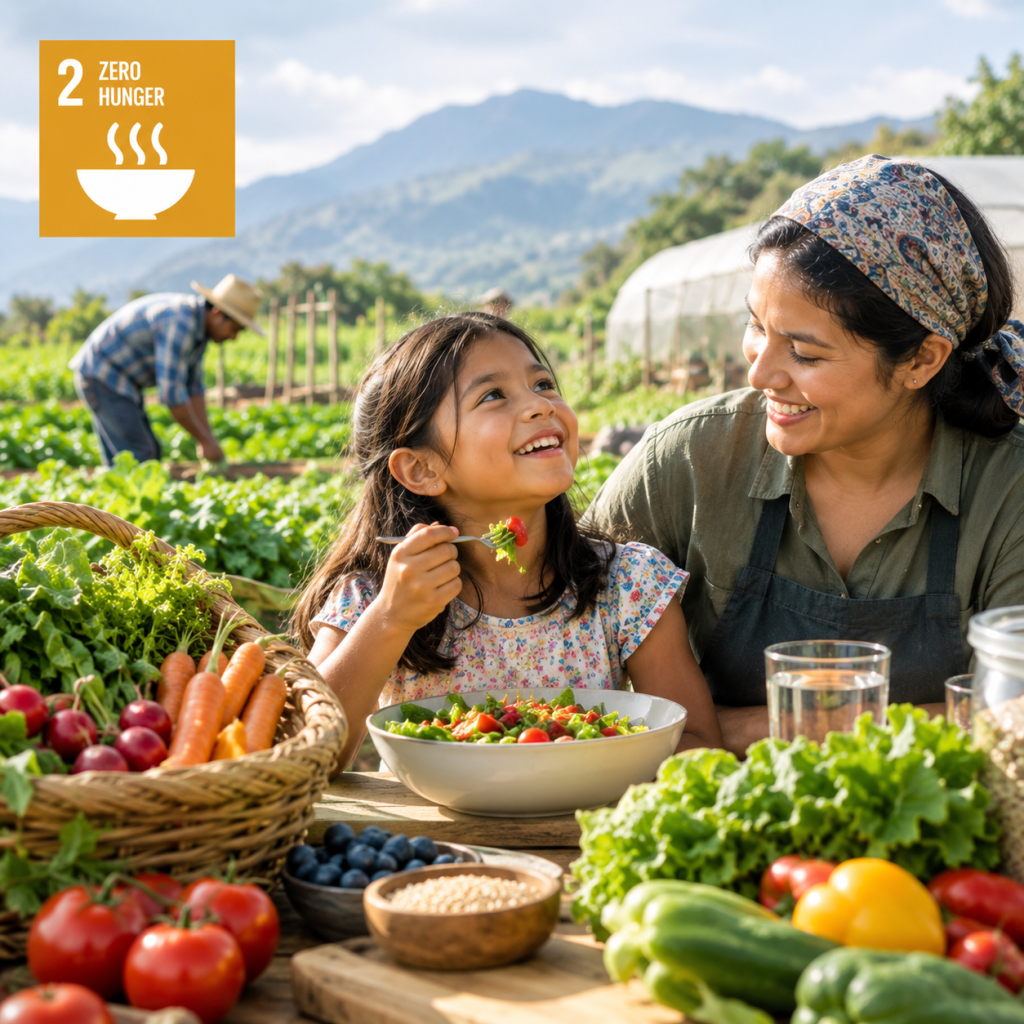
From Food Production to Healthy Diets
Translating agricultural output into healthy diets requires attention at several points along the way.
Crop diversity forms the foundation, since farms growing varied crops naturally supply markets with a broader nutritional range. When a region depends heavily on one or two staple crops, dietary variety suffers regardless of total production volume.
Availability of nutritious foods depends on whether those diverse crops actually reach consumers in good condition. Perishable items like fresh vegetables and dairy require reliable cold storage and transport, which many regions still lack. Affordable and accessible food choices complete the picture. For instance, a community may have fresh produce available at a nearby market, yet if prices remain double those of processed alternatives, most households will still choose the cheaper option. Therefore, affordability often determines actual dietary outcomes more powerfully than availability alone.
Role of Sustainable Agriculture
Sustainable agriculture serves as the production engine behind healthy food systems. Producing diverse and nutritious crops means moving beyond monoculture toward farming systems that include legumes, vegetables, fruits, and grains together. This diversity improves both soil health and the nutritional variety available to nearby communities.
Protecting soil and natural resources ensures farms remain productive over decades rather than degrading after a few intensive seasons. Practices like crop rotation, cover cropping, and reduced tillage maintain the soil fertility that nutrient dense crops depend upon. Supporting long term food availability follows naturally from these practices. Farms that preserve their resource base continue producing reliably, which stabilizes food supply across generations rather than just the current growing season.
Businesses and Healthy Food Systems
Companies throughout the food industry significantly influence how healthy food systems become.
- Responsible food production means prioritizing nutritional quality and ingredient integrity rather than optimizing purely for shelf life or cost
- Sustainable sourcing involves purchasing from farmers who use environmentally sound practices, which strengthens supply chains while supporting better agriculture
- Product innovation includes reformulating products to reduce sodium and added sugar, or fortifying staples with essential micronutrients
- Making nutritious choices more accessible requires addressing price and distribution so healthy options reach lower income consumers realistically
For example, several major food manufacturers have reformulated widely consumed products to reduce sugar content gradually over multiple years. This gradual approach allowed consumer taste preferences to adjust without triggering rejection, demonstrating how businesses can shift nutritional outcomes at scale without sacrificing market position.
Technology and Food Systems
Technology is strengthening food systems across multiple dimensions.
Food traceability systems now track products from farm to shelf, improving safety while helping identify where quality losses occur. Meanwhile, agricultural data helps farmers grow more nutritious crops by providing insights on soil nutrients and optimal growing conditions.
Digital distribution platforms connect producers directly with buyers, reducing the delays and markups that often make fresh food expensive or unavailable. Additionally, innovation in food production, including fortification techniques and improved processing methods, helps preserve nutritional value that traditional methods often diminish.
Together, these tools make food systems more transparent, efficient, and nutritionally effective than previously possible.
Challenges to Healthier Food Systems
Several persistent obstacles continue slowing progress toward healthier food systems.
Food affordability remains the most immediate barrier, since nutritious foods frequently cost more per calorie than processed alternatives. Meanwhile, supply chain disruptions, whether from conflict, fuel shortages, or infrastructure failures, can abruptly cut communities off from fresh food supplies.
Climate pressures add further strain by reducing yields of nutrient rich crops and increasing price volatility. Finally, unequal access leaves rural and marginalized communities with fewer nutritious options than urban populations, creating health disparities that persist across generations.
These challenges rarely appear in isolation. Instead, they reinforce one another, which is why isolated interventions often produce disappointing results compared to coordinated approaches.
Benefits of Healthy Food Systems
The advantages of healthy food systems extend well beyond individual nutrition.
Better nutrition improves physical and cognitive development, particularly among children whose lifelong potential depends heavily on early dietary quality. Stronger food security follows as diversified, resilient systems withstand shocks that would devastate more fragile food supplies.
Healthier communities experience reduced healthcare burdens and higher productivity, which benefits local economies directly. Ultimately, more resilient economies emerge as agricultural income circulates locally and populations remain healthy enough to work, learn, and contribute consistently.
Conclusion
Healthy food systems are essential for achieving SDG 2 because ending hunger requires more than increasing calories. It requires building systems that deliver nourishing, affordable, and accessible food to every community reliably. Coordinated action across agriculture, business, government, and communities will determine how quickly this vision becomes reality. As stakeholders align production incentives with nutritional goals, the world moves closer to a food future where adequate quantity and genuine quality finally arrive together.