
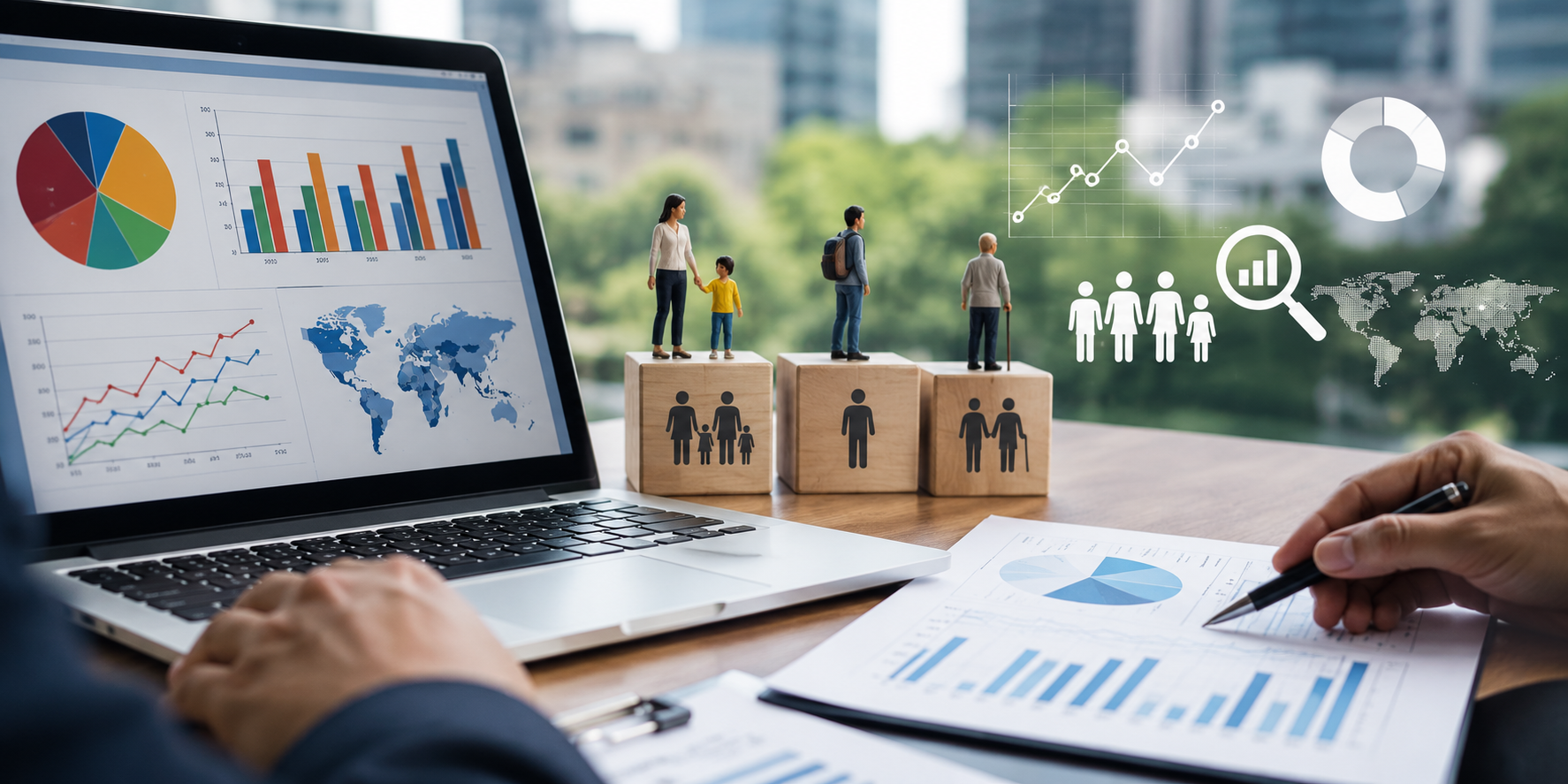
More than 700 million people still live on less than $2.15 a day. Despite decades of global development work, poverty remains one of the most complex and persistent challenges of our time. SDG 1 and poverty data sit at the heart of every serious effort to change that. Without reliable data, policymakers cannot identify who needs help, where resources are lacking, or whether interventions are actually working. In short, you cannot solve a problem you cannot measure.
This post explores how SDG 1 and poverty data supports sustainable development, why data transparency matters, and what innovations are reshaping how we track progress toward a poverty-free world.
Understanding SDG 1: No Poverty
SDG 1 — No Poverty — is the first of the United Nations’ 17 Sustainable Development Goals adopted under the 2030 Agenda. Its core objective is to eradicate extreme poverty for all people everywhere by 2030. However, it goes beyond income alone. The goal also calls for social protection systems, equal access to economic resources, and resilience against climate-related and economic shocks.
The scale of the challenge is significant. According to the UN, the COVID-19 pandemic reversed years of progress, pushing an estimated 93 million additional people into extreme poverty. Furthermore, the global poorest are disproportionately found in fragile states, rural regions, and communities already exposed to climate instability.
Evidence-based decision-making is therefore not optional — it is essential. Without reliable poverty intelligence, no government or organization can design programs that reach the right people at the right time. As highlighted in the broader SDG reporting and investment framework, data-driven action is foundational to sustainable progress.
The Role of Poverty Data in Sustainable Development
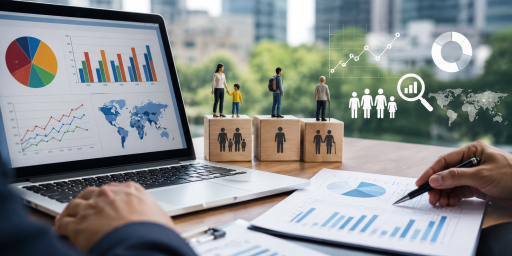
Tracking poverty trends over time reveals both gains and setbacks. Moreover, it exposes the underlying drivers of deprivation that simple income measures often miss. Quality poverty data enables development actors to:
- Identify regions where poverty is deepening despite economic growth
- Spot demographic groups consistently left behind, such as women, children, and rural communities
- Understand whether existing policies are narrowing or widening inequality gaps
Consequently, targeted interventions become far more effective. Rather than applying generic solutions, governments and development organizations can design programs based on what the data actually shows. This approach aligns closely with the evidence-based philosophy embedded throughout the Sustainable Development Goals framework.
Key Indicators Used to Measure Poverty
Poverty measurement has evolved significantly over the past two decades. Today, analysts use several complementary approaches:
Income-Based Measures The international poverty line — currently set at $2.15 per day in 2017 purchasing power parity — provides a standardized benchmark. National poverty lines, however, adjust for local cost of living and vary considerably across countries.
Multidimensional Poverty Indicators The Multidimensional Poverty Index (MPI), developed by UNDP and Oxford, measures poverty across three dimensions: health, education, and living standards. It captures overlapping deprivations that a single income measure cannot reflect. For instance, a family may technically earn above the income threshold yet still lack clean water, proper sanitation, or access to schooling.
Access to Essential Services and Opportunities Indicators also track access to financial services, social protection coverage, land rights, and technology. These factors determine whether individuals can build poverty resilience and sustain progress over time. Financial inclusion, in particular, plays a critical enabling role — as explored in SDG 1 and financial inclusion.
How Governments Use Poverty Data
Governments at every level rely on poverty data for three critical functions, let’s explore SDG 1 and poverty data.
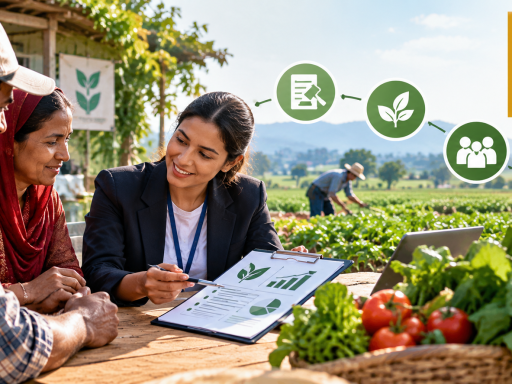
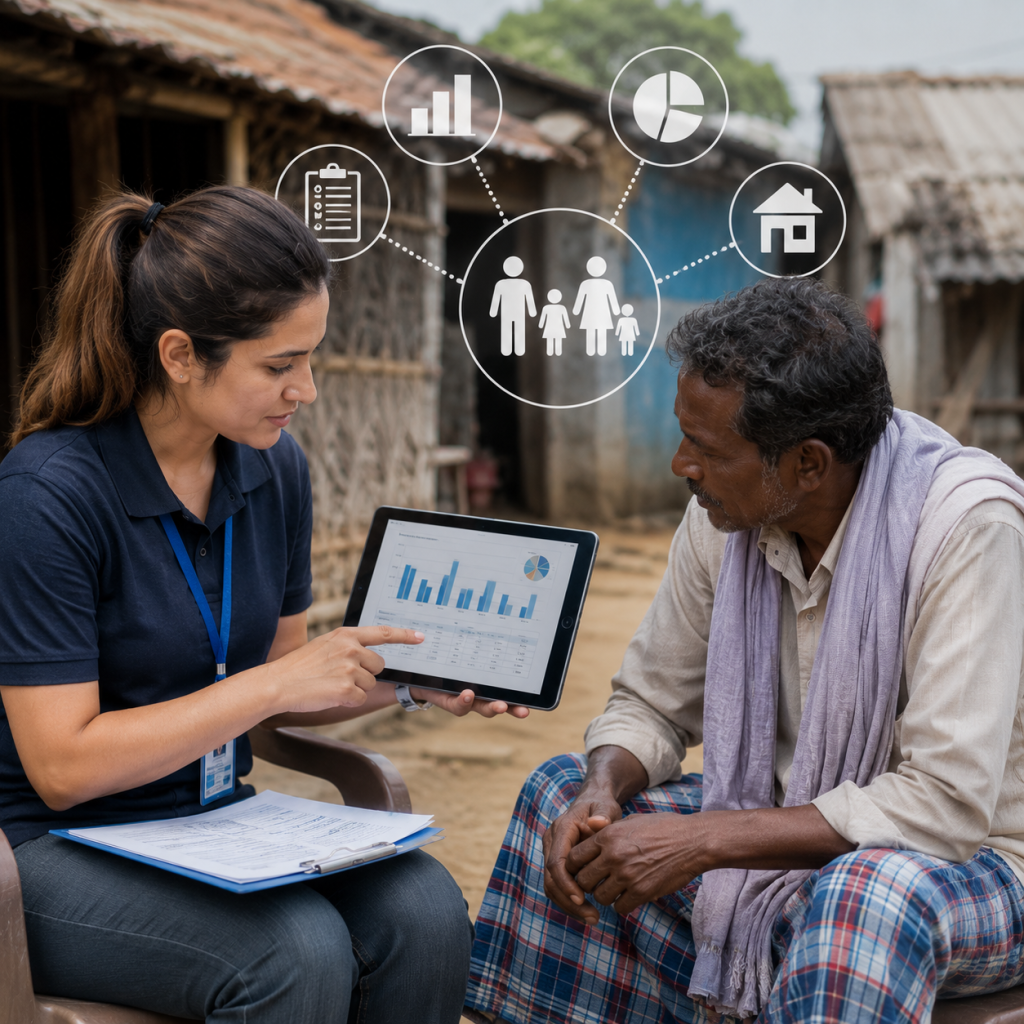
First, policy development and planning. Accurate household surveys and census data help ministries design targeted social programs, set eligibility thresholds, and prioritize budget allocations. Without this foundation, public spending can miss its intended beneficiaries entirely.
Second, resource allocation and social programs. Cash transfer schemes, food assistance, and housing programs all depend on poverty mapping to reach those most in need. Similarly, unemployment benefits and health subsidies must be calibrated to actual need levels — making the data behind them indispensable.
Third, monitoring SDG progress. Governments report their poverty reduction performance to the UN through Voluntary National Reviews. Therefore, the quality of a country’s data infrastructure directly affects how credibly it can demonstrate accountability to its citizens and the international community. This connects directly to the SDG accountability and governance principles that underpin the 2030 Agenda.
Transparency and Accountability in Poverty Reporting
Reliable data collection is the cornerstone of credible poverty reporting. When governments publish clear, consistent poverty statistics, they build the public trust necessary for sustained political commitment to anti-poverty programs.
Open data initiatives have become increasingly important in this regard. Platforms such as the World Bank’s Open Data portal and the UN SDG Indicators database make poverty statistics freely accessible to researchers, civil society, and journalists. As a result, independent verification becomes possible, and accountability gaps are harder to hide.
Importantly, transparency in poverty reporting also connects to broader corporate and institutional accountability. Organizations that align their operations with SDGs must demonstrate measurable outcomes, not just intentions — a principle explored in depth in data transparency in ESG. Building public trust through honest, consistent reporting is therefore both a moral and strategic imperative.
Challenges in SDG 1 and Poverty Data
Despite progress, significant obstacles remain.
Data Gaps and Inconsistencies Many low-income countries lack the statistical capacity to conduct regular, nationally representative household surveys. In some cases, poverty data is more than a decade old. Consequently, policymakers work with outdated information that no longer reflects current conditions.
Regional and Demographic Disparities Aggregated national figures can mask severe local inequalities. A country reporting declining national poverty rates may still contain regions where poverty is rising sharply. Urban-rural divides, gender disparities, and ethnic marginalization are often invisible in summary statistics.
Limitations of Traditional Poverty Metrics Income-based measures alone cannot capture the full experience of poverty. They miss non-monetary dimensions such as psychological stress, social exclusion, lack of agency, and vulnerability to future shocks. This is precisely why multidimensional frameworks have gained traction in recent years.
Technology and Innovation in Poverty Data Collection
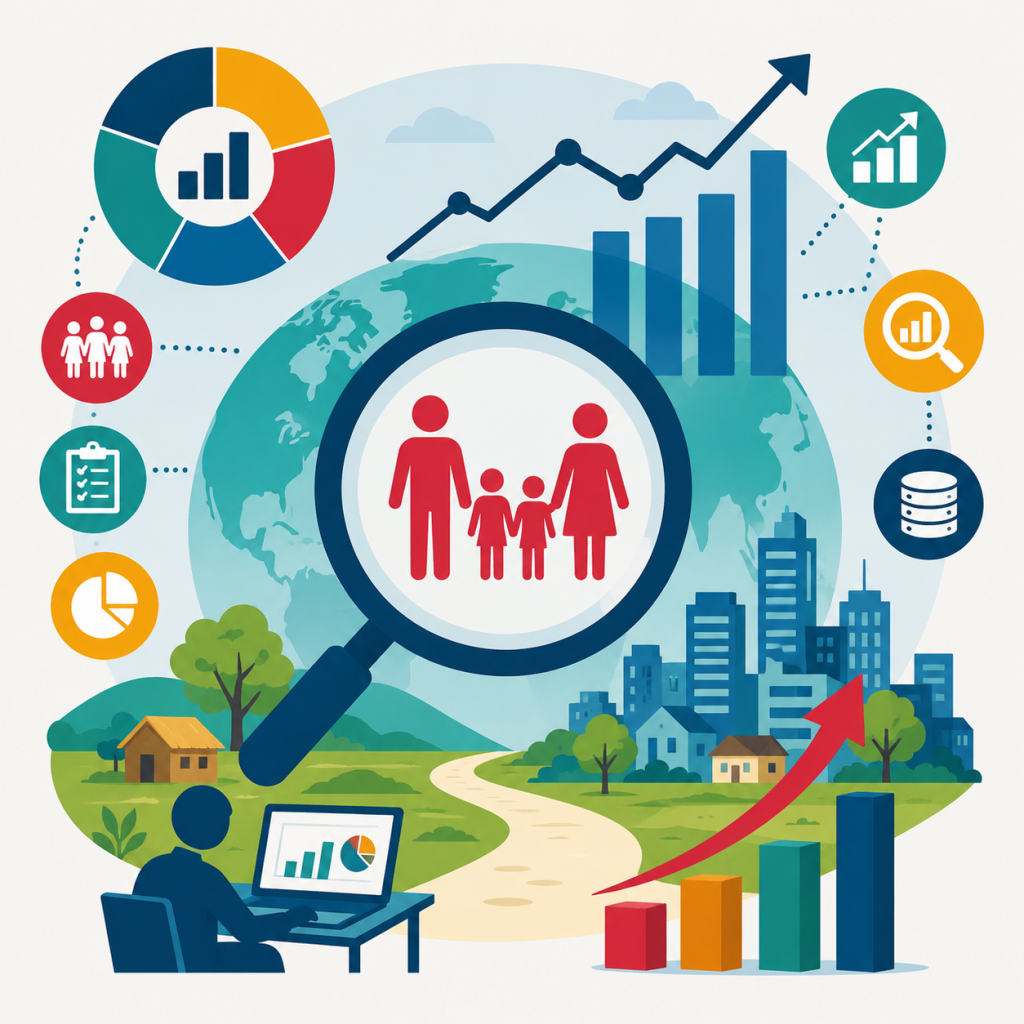
Technology is rapidly transforming how poverty data is collected, analyzed, and acted upon.
Digital Surveys and Data Platforms Mobile-based surveys allow data collection in remote areas where traditional field methods are cost-prohibitive. Platforms such as KoboToolbox and CAPI systems enable real-time data capture with immediate quality checks.
Artificial Intelligence and Analytics Machine learning algorithms can now process satellite imagery, mobile phone records, and social media activity to generate poverty estimates in near real-time. For example, Stanford researchers have used satellite imagery combined with machine learning to predict poverty levels in sub-Saharan Africa with considerable accuracy — even in areas lacking census data.
Real-Time Monitoring Systems Governments and development organizations increasingly use dashboards that aggregate data from multiple sources to monitor poverty indicators continuously. This shift from annual to continuous monitoring enables faster, more responsive policy adjustments. Furthermore, it strengthens the link between AI innovation and sustainable development — a relationship explored in how AI is revolutionizing sustainable business practices.
Future of SDG 1 and Poverty Data Measurement
Looking ahead, the future of poverty measurement points toward greater integration, precision, and accountability.
Data-Driven Policymaking As data infrastructure improves, governments will increasingly rely on predictive analytics to identify populations at risk before they fall into poverty, rather than responding after the fact. This proactive approach will require robust investment in national statistical systems and cross-sector data sharing agreements.
Improved Global Reporting Standards International bodies are working to harmonize poverty indicators across countries, making cross-national comparisons more meaningful. The adoption of common frameworks will also reduce the risk of countries gaming statistics to meet headline targets while underlying conditions worsen.
Strengthening Accountability for Sustainable Development Ultimately, the future of SDG 1 depends on accountability or poverty data structures that go beyond self-reporting. Strengthening civil society access to poverty data, supporting independent statistical bodies, and embedding poverty metrics into corporate sustainability reporting will all play a role. Partnerships between governments, the private sector, and international organizations — as outlined in SDG 17 — will be essential in closing remaining data gaps.
Conclusion
SDG 1 and poverty data are inseparable. Accurate, transparent, and timely poverty measurement is not a bureaucratic exercise — it is the foundation upon which every effective anti-poverty policy is built. When governments and organizations report honestly, invest in statistical capacity, and embrace new technologies for data collection, they create the conditions for lasting change.
However, data alone does not reduce poverty. It must be paired with political will, adequate resources, and genuine accountability. As the 2030 deadline approaches, the world needs not only better numbers but better decisions driven by those numbers. Measuring progress clearly and honestly is, therefore, one of the most powerful tools we have in the fight for a poverty-free future.