



The global business landscape is quickly changing, with sustainability taking the lead in company plans. The United Nations’ Sustainable Development Goals (SDGs), a collection of 17 goals aiming at tackling global issues such as poverty, inequality, climate change, and environmental degradation, are central to this movement. SDG reporting and investments are an effective approach for firms to connect their operations with these global objectives, proving their commitment to sustainability and increasing their long-term viability. This blog will look at the significance of SDG reporting, the role of investments in attaining these objectives, and practical solutions for businesses to actively participate with the SDGs.
The Importance of SDG Reporting
Understanding SDG Reporting
SDG reporting is the method by which corporations reveal their contributions to the Sustainable Development Goals. This reporting is important for various reasons. First, it enables businesses to clearly disclose their sustainability initiatives to stakeholders such as investors, consumers, and regulators. Businesses that report on their progress towards the SDGs can increase trust, improve their brand, and attract socially aware investors.
Furthermore, SDG reporting enables businesses to discover areas where they may enhance their sustainable performance. Businesses that routinely assess and report on their progress may better connect their plans with the SDGs, ensuring that their operations contribute positively to global sustainability initiatives.
The Benefits of SDG Reporting for Businesses
There are various advantages for businesses who participate in SDG reporting. For starters, it improves corporate transparency, which is becoming increasingly crucial in an age when customers and investors expect corporations to be more accountable. Transparent SDG reporting may boost investor trust since it shows a company’s commitment to long-term sustainability.
Second, reporting on SDGs may assist firms in identifying new growth prospects. Companies that connect their plans with the SDGs can gain access to emerging markets, attract new consumers, and promote innovative growth. Businesses that focus on clean energy solutions (SDG 7) or sustainable agriculture (SDG 2), for example, may position themselves as industry leaders in these emerging industries.
Finally, SDG reporting can enhance risk management. Businesses that recognize and handle sustainability risks can lower their exposure to regulatory penalties, reputational loss, and other possible liabilities. This proactive approach to risk management is becoming increasingly popular among investors and other stakeholders.
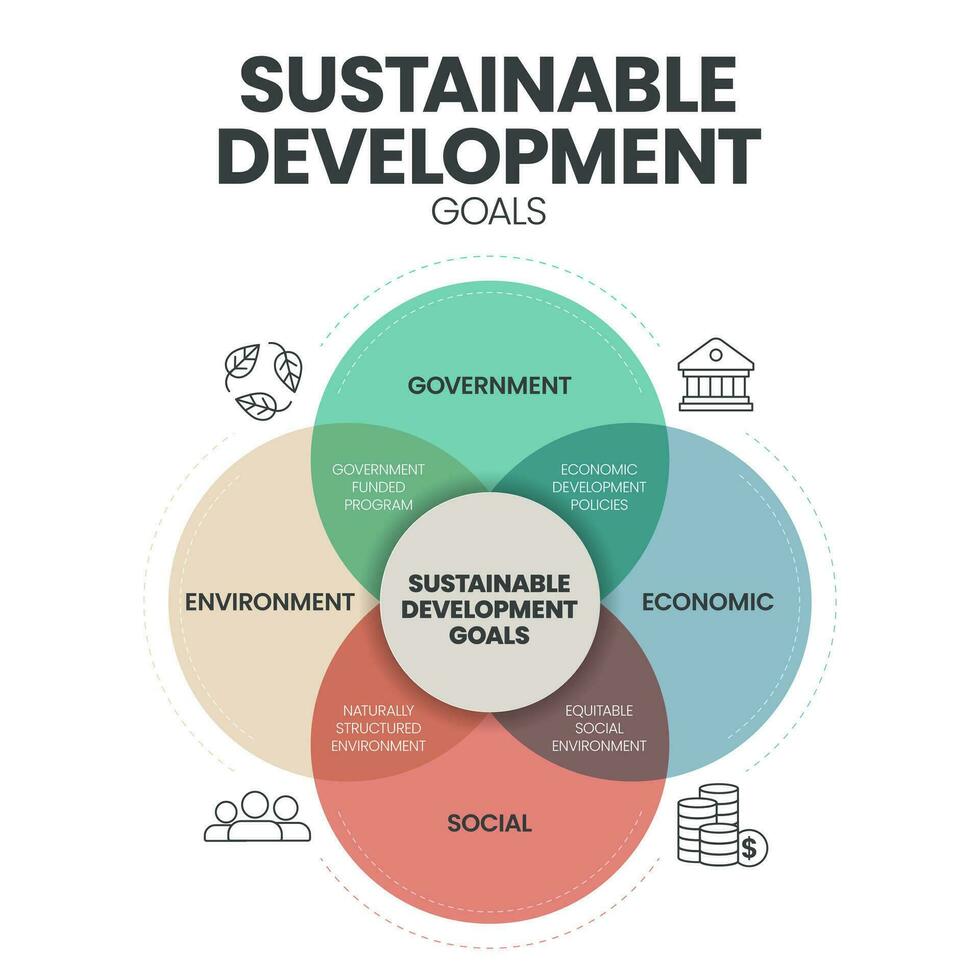
The Role of Investments in Achieving the SDGs
Impact Investing
This is critical to attaining the Sustainable Development Goals. Impact investors seek both financial rewards and beneficial social or environmental outcomes. Impact investors may make considerable progress on issues like poverty, inequality, and climate change by allocating capital to firms that are actively trying to achieve the SDGs.
To attract impact investments, firms must demonstrate a strong commitment to the SDGs and establish a comprehensive reporting mechanism. Companies that can show their commitment to the SDGs through transparent reporting and demonstrable results are more likely to attract impact investors.
Sustainable Finance
Sustainable financing is another important aspect of SDG investments. It includes a variety of financial goods and services aimed at promoting sustainable development. This comprises green bonds, social bonds, and sustainability-linked loans, which are increasingly being utilized by businesses to fund projects that help achieve the SDGs.
Sustainable finance is more than just obtaining funds; it is also about connecting financial strategies with sustainability objectives. Companies that integrate sustainability into their financial decision-making processes may guarantee that their investments contribute to the SDGs while also producing long-term value for all stakeholders.
Case Studies: Companies Leading in SDG Investments
Several businesses have emerged as leaders in SDG investments, creating a precedent for others to follow.
- Nestlé has incorporated the SDGs into its business strategy, concentrating on nutrition, water stewardship, and rural development. The corporation has also issued sustainability bonds to help fund its efforts to decrease greenhouse gas emissions and encourage sustainable sourcing.
- Danone is another corporation that has connected its operations with the SDGs, focusing on health, water, and climate change. Danone has also attracted impact investments by proving their commitment to social and environmental objectives through open reporting.
- The Italian energy corporation Enel has invested heavily in renewable energy projects, aligning its strategy with SDGs 7 (Affordable and Clean Energy) and 13 (Climate Action). Enel offered green bonds to fund these initiatives, illustrating the power of sustainable finance to stimulate SDG investments.
You May Also Like To Read:
- Healthy Food Systems and SDG 2
 The world produces enough calories to feed everyone. Yet malnutrition persists across both wealthy and developing nations. This contradiction reveals something important: healthy food systems matter just as much as raw production volume when it comes to achieving sustainable development goal 2, which targets…
 - Sustainable Food Supply Chains and SDG 2Food does not simply appear on store shelves. It travels through a complex network of farms, processors, transporters, and retailers before reaching a plate. This network, known as the food supply chain, sits at the center of Sustainable Development Goal 2, which aims to…
- Agricultural Technology and SDG 2 for Better Food ProductionFarming has changed dramatically over the past few decades. What once relied entirely on intuition and manual labor now increasingly depends on sensors, data, and software. Agricultural technology sits at the heart of this transformation, and it plays a direct role in advancing Sustainable…
- Farmer Livelihoods and SDG 2Behind every harvest stands a farmer whose income determines whether that farm survives another season. Farmer livelihoods sit at the center of Sustainable Development Goal 2, which aims to end hunger and build lasting food security. When farmers struggle financially, entire food systems become…
- Nutrition and SDG 2Ending hunger means more than filling stomachs. It means ensuring people receive food that actually nourishes them. Nutrition sits at the very core of Sustainable Development Goal 2, which calls for zero hunger, improved food security, and better nutrition worldwide. These three elements work…
- Climate Resilient Agriculture and SDG 2Farmers today face a moving target. Rainfall patterns shift, temperatures rise, and extreme weather events strike with little warning. Climate resilient agriculture has emerged as a direct response to this uncertainty. It sits at the core of Sustainable Development Goal 2, which aims to…




Practical Tips for Companies Engaging in SDG Reporting and Investments
- Begin by determining which SDGs are most important to your company and establishing clear, quantifiable targets for contributing to these objectives.
- Integrate the SDGs into your core business strategy. Ensure that your sustainability initiatives are not an afterthought, but rather incorporated into your whole business plan. This will assist connect your activities with the SDGs and provide long-term value.
- Leverage Technology for Reporting use digital tools and platforms to simplify your SDG reporting process. This will allow you to more effectively measure your progress and give stakeholders with accurate, up-to-date information.
- Engage Stakeholders: Keep investors, customers, workers, and other stakeholders informed about your SDG initiatives on a regular basis. This will increase trust and demonstrate your dedication to sustainability.
- Investigate Sustainable Financing Options: Consider issuing green bonds, social bonds, or sustainability-linked loans to fund your SDG projects. This might assist to attract impact investors and match your financial strategy with your sustainability objectives.

Common Questions About SDG Reporting and Investments
🤔 What is the purpose of SDG reporting?
Answer: SDG reporting allows companies to communicate their sustainability efforts transparently to stakeholders, build trust, and attract socially conscious investors.
🤔 How do companies benefit from SDG investments?
Answer: Companies benefit from SDG investments by accessing capital that is aligned with their sustainability goals, driving innovation, and enhancing their reputation.
🤔 What are some examples of SDG investments?
Answer: Examples include green bonds, social bonds, and sustainability-linked loans, which finance projects that contribute to the SDGs.
🤔 How can small businesses engage in SDG reporting?
Answer: Small businesses can start by identifying the SDGs most relevant to their operations and setting measurable targets. They can also explore sustainable finance options to support their efforts.
🤔 What role do impact investors play in achieving the SDGs?
Answer: Impact investors provide capital to companies that are actively working to achieve the SDGs, driving progress on social and environmental issues while generating financial returns.
Conclusion
SDG reporting and investments are effective instruments for firms to align their operations with global sustainability targets. Companies that engage in transparent reporting and use sustainable financing may help to achieve the SDGs, attract impact investors, and create long-term value for all stakeholders. As more firms see the value of SDG reporting and investment, these practices will become more important for success in the global economy. Fherist offers services and tools dedicated to sustainable business practices, assisting enterprises in navigating the intricacies of SDG reporting and investment. Whether you run a small business or a huge multinational, adopting SDG reporting and investments is critical to ensuring a sustainable and successful future.