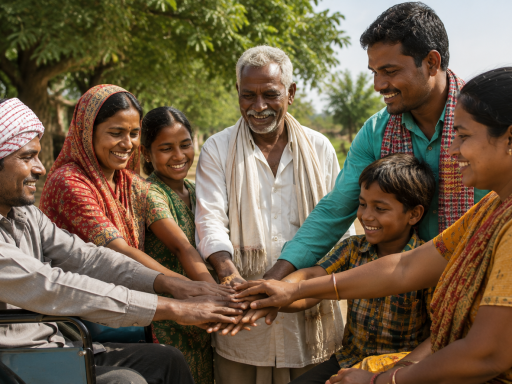



Poverty is rarely just a lack of money. It is a lack of voice, opportunity, and the ability to shape one’s own future. That is why community empowerment through SDG 1 sits at the heart of meaningful, lasting poverty reduction. When communities gain the tools, knowledge, and platforms to lead their own development, the results go far beyond income statistics. They create social cohesion, economic resilience, and the kind of progress that does not reverse when external support fades. SDG 1, the United Nations’ goal to end poverty in all its forms, recognizes that local action is not just helpful. It is essential.
Understanding Community Empowerment
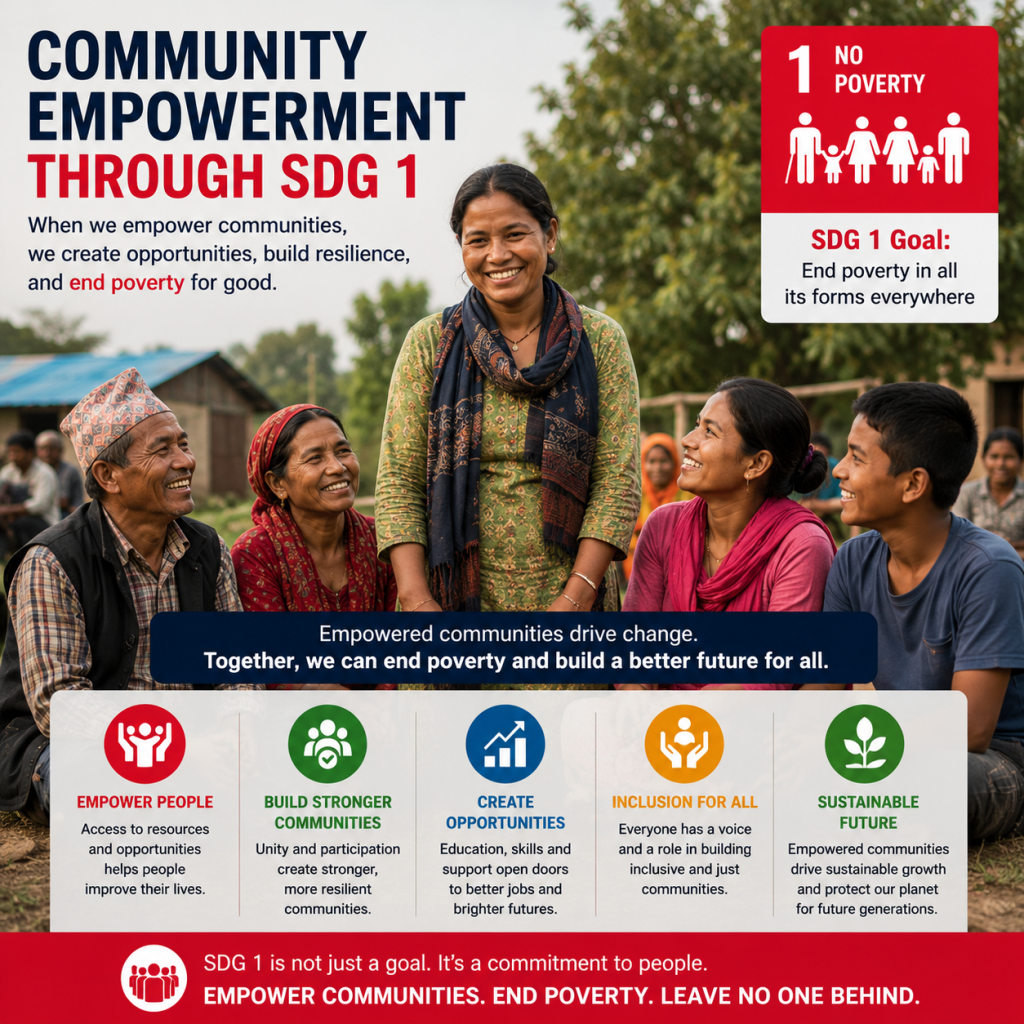
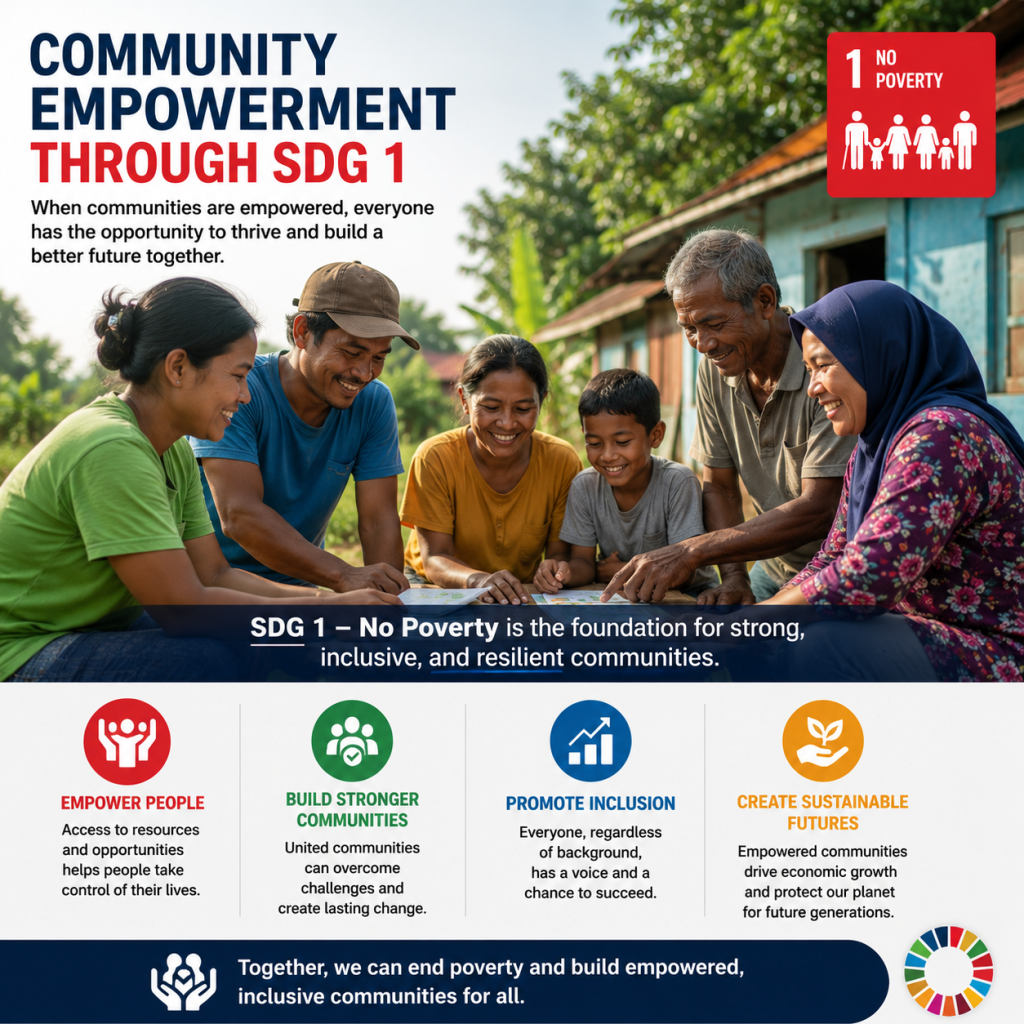
Community empowerment refers to the process by which people gain control over their own lives and circumstances. At its core, it involves building individual capacity, strengthening collective agency, and creating enabling conditions for communities to participate meaningfully in decisions that affect them.
The connection between empowerment and sustainable development is direct. Communities that are empowered do not simply receive development. They drive it. They identify their own priorities, mobilize local resources, and hold institutions accountable. This participatory model produces outcomes that are more relevant, more durable, and more equitable than those generated by top down approaches. Empowerment therefore shifts the development equation from one of dependency to one of self determination. As discussed in our overview of the 17 SDGs roadmap for global change, human agency sits at the center of the entire 2030 Agenda.
How SDG 1 Encourages Community Development
SDG 1 does more than set a poverty target. It establishes a framework that actively supports community development at every level. One of its core targets involves expanding access to economic resources, including land rights, financial services, and productive assets. When communities control these resources, they can build from within rather than waiting for external investment.
Furthermore, SDG 1 promotes local participation in the design and implementation of poverty reduction strategies. This matters because communities understand their own barriers far better than policymakers in distant capitals. A rural village in Southeast Asia faces entirely different challenges than an urban slum in Sub-Saharan Africa. Therefore, locally informed approaches lead to more precise and more effective solutions.
Additionally, SDG 1 supports long term social progress by addressing the structural causes of poverty, including discrimination, exclusion from public services, and lack of legal protections. Consequently, the goal does not simply target poverty symptoms. It targets the systems that produce them. This broader scope makes SDG 1 one of the most transformative goals in the entire 2030 framework, as explored in our post on the SDG Goal 1 No Poverty.
Education and Skills as Drivers of Empowerment
Education is one of the most powerful forces for community empowerment. When people develop skills and knowledge, they gain access to better employment, higher incomes, and greater social mobility. Moreover, education enables individuals to participate fully in civic and economic life, strengthening communities from within.
Building employability and economic independence requires more than basic literacy. Vocational training, digital skills, financial literacy, and entrepreneurship education all play critical roles. Together, these capabilities allow people to create value for themselves and their communities, rather than remaining locked out of opportunity. Lifelong learning is equally important. In a rapidly changing economy, skills that are relevant today may be obsolete in a decade. Therefore, access to ongoing training and adult education programs is not a luxury. It is a poverty reduction strategy. Communities where people continuously learn and adapt are far more resilient in the face of economic disruption. Our post on digital education 2026 explores how skills development is evolving in a technology driven world.
Inclusive Economic Participation
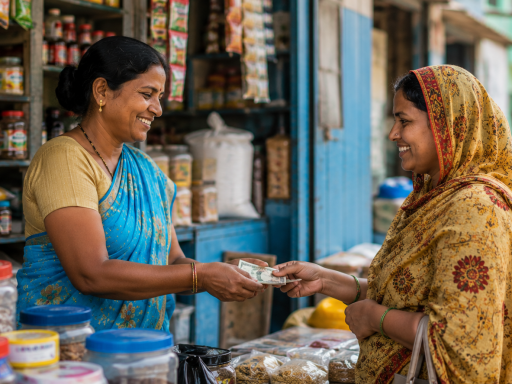
Empowerment without economic access is incomplete. For community development to be genuine, people must be able to participate in the local economy on equitable terms. This includes supporting entrepreneurship, removing barriers to formal business registration, and creating market linkages that help small producers compete.
Local initiatives play a particularly important role. Community savings groups, cooperatives, and social enterprises allow people to pool resources, share risk, and scale up economic activity in ways that individual households cannot achieve alone. These models also keep economic value circulating within communities rather than flowing outward to distant shareholders. Equal access to resources is equally essential. Women, minorities, and marginalized groups often face compounded barriers to economic participation. Removing these barriers does not just benefit individuals. It unlocks economic potential that benefits entire communities. As detailed in our post on SDG 1 and financial inclusion, inclusive economic access is one of the most direct pathways to lasting poverty reduction.
Role of Businesses and Organizations
Businesses and civil society organizations are not bystanders in community empowerment. They are active partners. Companies that invest in the communities where they operate create conditions for shared prosperity, not just charitable goodwill. Moreover, community investment strategies that prioritize local hiring, supplier development, and skills training generate tangible economic returns for host communities.
Responsible business practices also matter enormously. Companies that pay fair wages, avoid exploitative supply chains, and respect local land rights contribute directly to poverty reduction goals. Conversely, businesses that externalize costs onto communities undermine the very development they claim to support. Partnerships between businesses, governments, NGOs, and community organizations amplify the impact of each actor individually. When these stakeholders align around shared goals, they can address systemic issues that no single organization could tackle alone. Consider the work of companies in Rwanda that partnered with local cooperatives to build certified coffee supply chains. These partnerships improved farmer incomes, reduced middleman extraction, and connected rural producers to international markets, demonstrating exactly what responsible business engagement can achieve. This kind of cross sector collaboration is further explored in the role of partnerships in achieving sustainable development goals.
Challenges to Community Empowerment
Despite its critical importance, community empowerment faces persistent and serious obstacles. Structural inequality remains one of the most entrenched. When wealth, political power, and social capital concentrate in the hands of a few, the conditions for genuine community participation simply do not exist. Overcoming structural inequality requires deliberate policy interventions, not just goodwill.
Limited access to infrastructure and services compounds the problem. Communities without reliable electricity, clean water, roads, or internet connectivity struggle to access markets, education, and health services. Without these foundations, empowerment efforts remain fragile. Resource and funding constraints also limit progress. Community led organizations often lack the financial backing to scale their work. Donor dependency creates its own vulnerabilities, as communities can lose momentum when external funding cycles end. Therefore, building sustainable local funding mechanisms is a critical priority. These challenges are closely connected to the inequality dimensions discussed in our post on SDG 1 and poverty data.
Innovative Approaches to Strengthen Communities
Innovation is opening new pathways for community empowerment. Digital inclusion initiatives extend the reach of education, financial services, and market access to previously isolated communities. Mobile platforms allow women in rural areas to access banking without visiting a physical branch. Community radio stations broadcast agricultural information in local languages. Digital tools democratize access to knowledge in ways that were unimaginable a generation ago.
Social innovation is equally powerful. Community led development models, where local residents design and implement their own programs, consistently outperform externally driven initiatives. They are more culturally relevant, more trusted, and more likely to be sustained over time. Furthermore, collaborative approaches that bring together local governments, NGOs, and private sector actors create synergies that multiply impact. Communities themselves are increasingly recognized as sources of innovation, not just recipients of it. This is a foundational shift in how sustainable development operates in practice. Our post on SDG innovation for sustainable development captures how this shift is unfolding across sectors.
Future of Community Empowerment and SDG 1
The future of community empowerment is both urgent and full of possibility. Building resilient communities means investing now in the local systems, relationships, and capabilities that will sustain progress beyond any single project or funding cycle. Resilience, as we have seen through repeated global crises, is not automatic. It must be deliberately constructed.
Creating sustainable opportunities requires aligning economic development with community priorities. This means supporting local enterprises, protecting natural resources that communities depend on, and ensuring that the benefits of growth are broadly shared rather than captured by elites. Long term poverty reduction pathways depend on sustained commitment from governments, businesses, and civil society. They also depend on communities themselves having the power to hold all of these actors accountable. Systems of transparency and governance that include community voices are therefore not optional extras. They are structural requirements for lasting change. As highlighted in our post on SDG accountability and governance, accountability to the people that development serves is what separates genuine progress from performative action.
Conclusion
Community empowerment through SDG 1 is not a soft addition to poverty reduction strategy. It is its foundation. When people have the agency, resources, and opportunities to shape their own futures, poverty becomes solvable rather than merely manageable. Education, inclusive economic participation, responsible business engagement, digital innovation, and accountable governance all contribute to a comprehensive model of community led development.
The shared responsibility for making this happen spans every sector of society. Governments must create enabling environments. Businesses must invest responsibly. Civil society must advocate persistently. And communities themselves must be placed at the center of the decisions that affect them. Sustained, inclusive action is the only path that leads to the poverty-free future that SDG 1 envisions. The communities of tomorrow are being built by the choices we make today.