
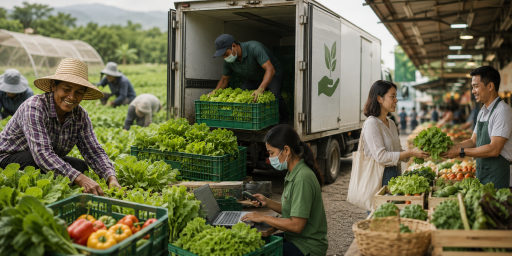
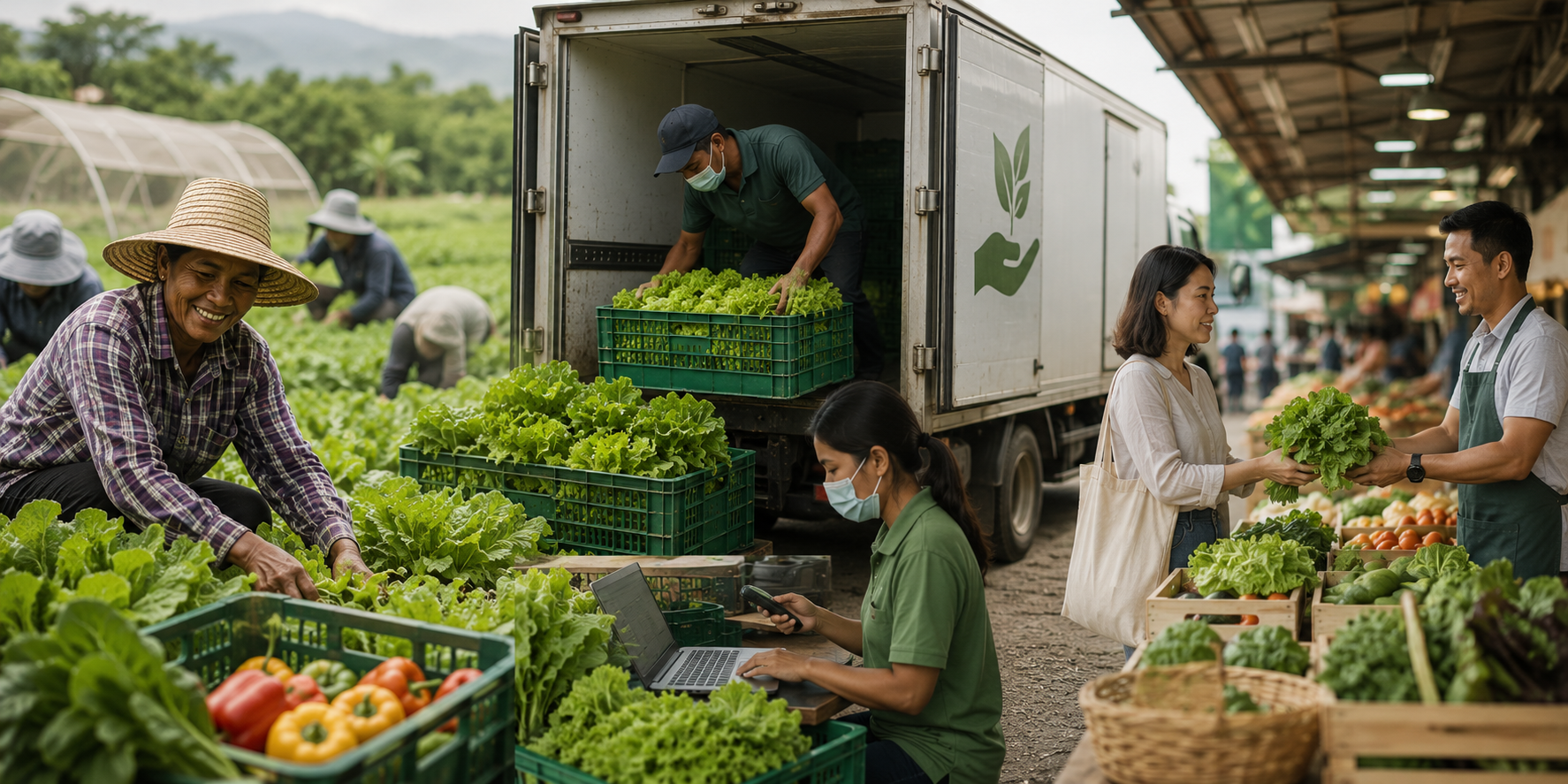
Food does not simply appear on store shelves. It travels through a complex network of farms, processors, transporters, and retailers before reaching a plate. This network, known as the food supply chain, sits at the center of Sustainable Development Goal 2, which aims to end hunger and achieve lasting food security.
Efficient and sustainable food distribution matters because production alone cannot solve hunger. Even when farms grow enough food globally, poor distribution often prevents it from reaching the people who need it most. Therefore, strengthening food supply chains has become just as important as increasing agricultural output for achieving SDG 2.
This article explores what food supply chains actually involve, why they matter for global food security, and how businesses and technology are reshaping distribution for the better.
What Are Food Supply Chains
Food supply chains encompass every stage food travels through, starting from production and ending at consumption. This journey typically includes farming, processing, packaging, transportation, storage, wholesale distribution, and finally retail sale to consumers. Each stage adds complexity, and any disruption along the way can affect how much food actually reaches the end consumer.
Key participants in the food supply chain include farmers who grow raw crops, processors who transform those crops into packaged products, logistics companies that transport goods across regions, wholesalers who distribute in bulk, and retailers who sell directly to consumers. Additionally, regulatory bodies and certification organizations play a role by setting safety and quality standards throughout the chain.
Real world examples illustrate how these systems function in practice. Walmart, for instance, operates one of the most sophisticated food supply chains globally, using centralized distribution centers and detailed inventory tracking to move perishable goods from farms to thousands of stores within days. Similarly, Nestle sources raw ingredients like cocoa and coffee from smallholder farmers across dozens of countries, then manages a multi stage processing and distribution network to deliver finished products worldwide. Meanwhile, companies like Olam International specialize specifically in agricultural supply chain management, connecting farmers directly with global food manufacturers while working to improve traceability and sustainability at the sourcing level. These examples show that food supply chains vary significantly in scale and structure, yet they all share the same fundamental goal of moving food efficiently from where it grows to where it gets consumed.
How Supply Chains Support SDG 2
Food supply chains directly advance the goals outlined in SDG 2 in several important ways.
First, efficient supply chains improve food availability by ensuring that food actually reaches markets rather than spoiling or getting stuck along the way. Since agricultural production alone does not guarantee access, strong distribution systems close the gap between what farms grow and what consumers can actually buy.
Additionally, supply chains play a crucial role in connecting producers with consumers, particularly across long distances. Without reliable logistics, farmers in remote regions would struggle to sell their harvests, while urban consumers would face limited food variety. Consequently, well functioning supply chains create economic opportunity for producers while expanding food access for consumers simultaneously.
Furthermore, supply chains support reliable food distribution by maintaining consistency even during regional shortages or seasonal gaps. When one region experiences a poor harvest, robust supply networks can redirect food from other areas, helping stabilize prices and availability. This redundancy proves essential for maintaining food security during unpredictable circumstances.
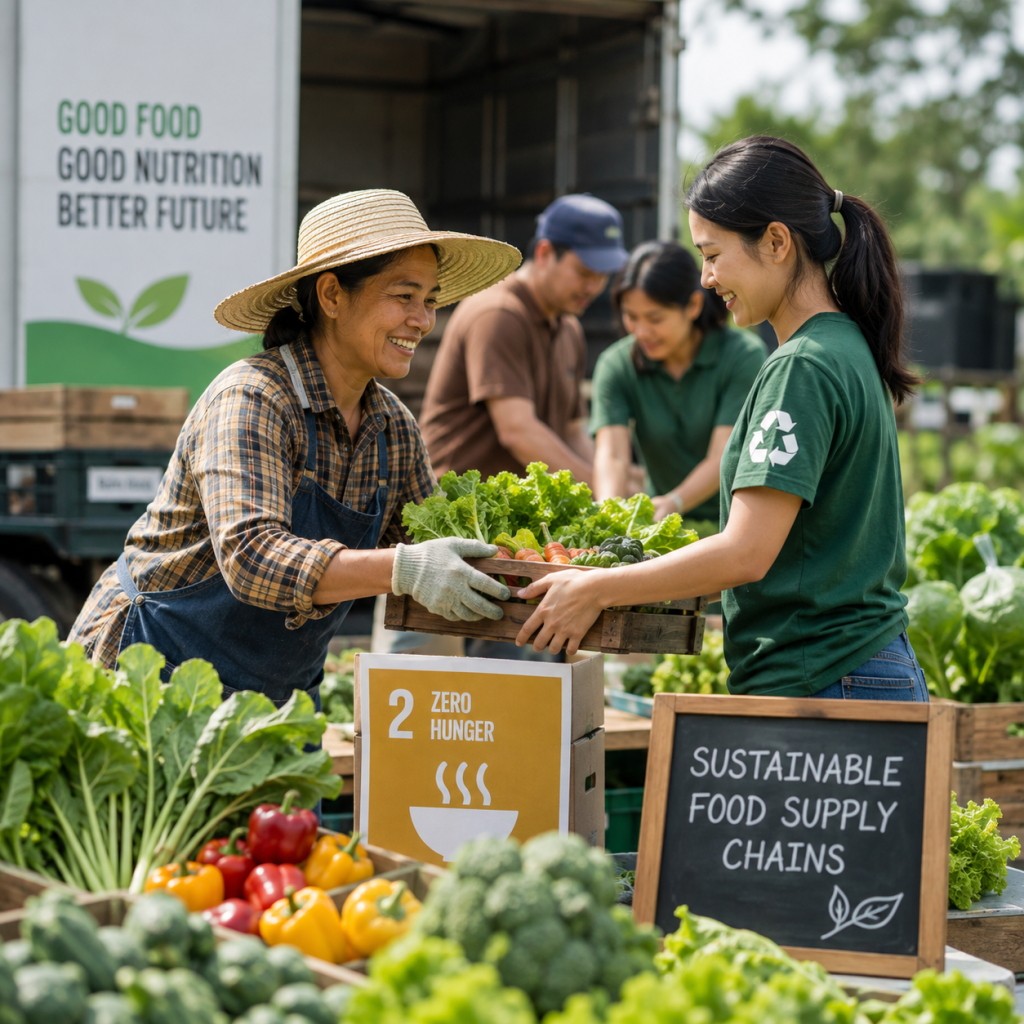
Challenges in Food Supply Chains
Despite their importance, food supply chains face several persistent challenges that limit their effectiveness.
- Transportation disruptions, caused by poor road infrastructure, fuel shortages, or extreme weather, can delay perishable goods until they spoil before reaching buyers
- Storage limitations, particularly in regions lacking proper cold storage facilities, lead to significant post harvest losses before food ever reaches consumers
- Rising costs, driven by fuel prices and inflation, increase the price of moving food through each stage of the chain, ultimately raising consumer prices
- Unequal market access leaves rural and remote communities with fewer distribution options, often forcing them to rely on limited or unreliable local supply
These challenges frequently compound one another. For example, poor storage infrastructure combined with transportation delays can turn a minor disruption into significant food loss, directly undermining food security in affected communities.
Improving Food Distribution
Fortunately, several strategies are helping address these distribution challenges effectively.
Better logistics, including optimized delivery routes and improved fleet management, help reduce transportation delays and fuel waste significantly. Meanwhile, storage and cold chain infrastructure investments, such as refrigerated warehouses and transport vehicles, prevent spoilage of perishable goods like dairy, meat, and fresh produce during transit.
Local and regional distribution networks also offer a powerful solution, since shorter supply chains reduce both transportation time and associated losses. When communities strengthen regional food hubs, they reduce dependence on long distance shipping while supporting local farmers more directly. This approach often proves more resilient during disruptions, since shorter chains have fewer points of potential failure.
Technology in Food Supply Chains
Technology is transforming how food moves through supply chains today.
Supply chain tracking systems now use barcodes, sensors, and digital records to monitor food as it moves from farm to shelf. This visibility helps identify bottlenecks quickly and improves food safety by making contamination sources easier to trace. Meanwhile, data driven logistics use real time information on traffic, weather, and demand to optimize delivery routes and reduce unnecessary delays.
Digital marketplaces have also reshaped distribution by connecting farmers directly with buyers, reducing reliance on multiple intermediaries. Additionally, predictive demand management uses historical sales data and market trends to help retailers and distributors order appropriate quantities, reducing both shortages and excess waste.
For instance, a regional produce distributor recently implemented predictive demand software to better anticipate weekly order volumes for perishable vegetables. Within several months, the distributor reduced unsold inventory significantly while also avoiding stockouts that previously frustrated retail partners. This case shows how targeted technology adoption can solve very practical distribution problems quickly.
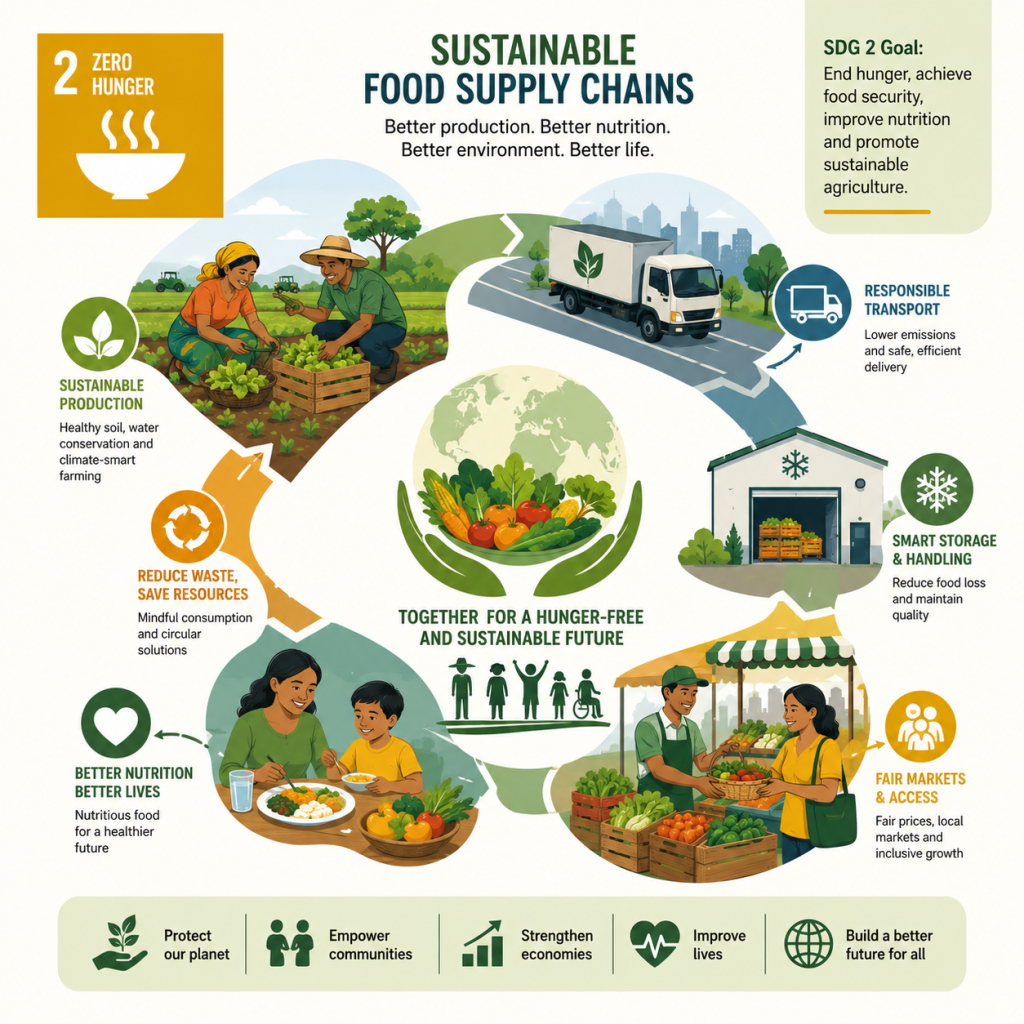
Role of Businesses
Businesses throughout the food industry hold significant responsibility for building better supply chains.
Responsible sourcing means companies choose suppliers who follow sustainable and ethical practices, rather than simply selecting the lowest cost option available. Supplier collaboration further strengthens this approach, as businesses that communicate closely with farmers and processors can anticipate problems before they disrupt the chain.
Sustainable logistics, including fuel efficient transportation and reduced packaging waste, help minimize the environmental footprint of moving food across long distances. Meanwhile, supply chain transparency, achieved through detailed tracking and public reporting, builds consumer trust while making it easier to identify and fix inefficiencies quickly.
Benefits of Sustainable Food Supply Chains
Sustainable food supply chains generate meaningful benefits across the entire food system.
Greater food availability results directly from reduced spoilage and more efficient distribution, ensuring more of what farms produce actually reaches consumers. Reduced losses follow naturally, since better storage and logistics prevent the substantial waste that plagues inefficient supply chains.
Stronger rural economies emerge when local and regional distribution networks create more direct market access for farmers, allowing them to capture fairer prices. Finally, more resilient food systems develop as diversified, well managed supply chains withstand disruptions far better than fragile, single source networks.
Building Resilient Food Supply Chains
Looking ahead, diversifying suppliers remains essential for reducing dependence on any single source that could fail unexpectedly. When businesses source from multiple regions or producers, they protect themselves against localized disruptions like drought or political instability.
Strengthening local systems complements this diversification by building shorter, more manageable supply chains that respond quickly to changing conditions. Meanwhile, preparing for future disruptions requires proactive planning, including contingency storage and flexible logistics arrangements that can adapt when unexpected events occur.
Conclusion
Sustainable food supply chains matter enormously for achieving SDG 2, since even abundant food production means little without reliable systems to move it where it is needed. Distribution, not just production, ultimately determines whether communities experience food security or continued hunger.
Building a resilient, efficient food future requires collaboration across the entire food system, from farmers and logistics providers to retailers and policymakers. As businesses continue investing in better infrastructure, smarter technology, and stronger partnerships, food supply chains will become increasingly capable of supporting a world where reliable, sustainable food access reaches everyone.