
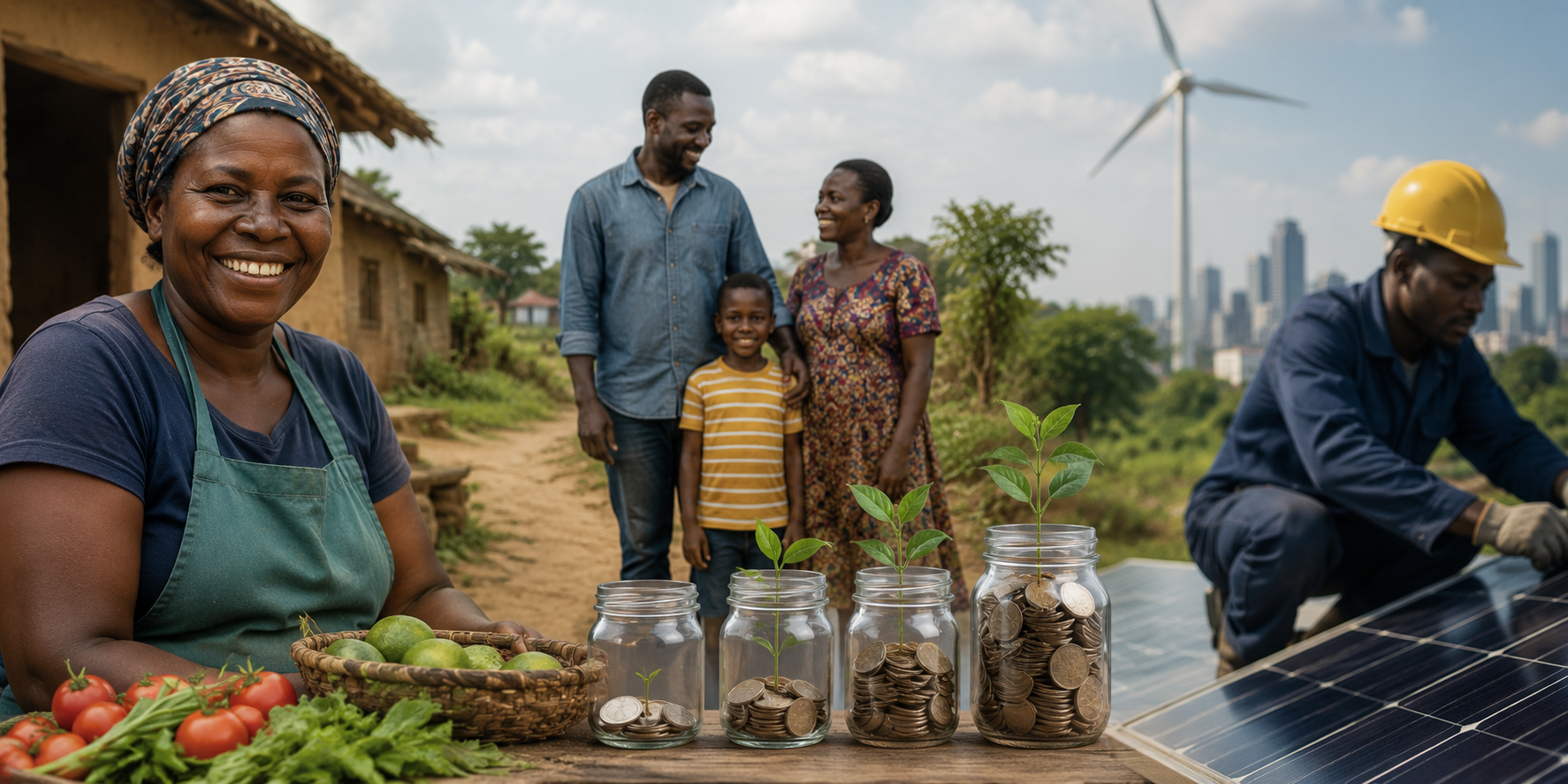
Economic shocks do not affect everyone equally. In communities without stable income, access to financial services, or reliable safety nets, even a minor disruption can push families deeper into poverty. That is precisely why building economic resilience through SDG 1 is not just a development goal. It is a foundational strategy for creating a world where people can withstand hardship, recover faster, and build better futures. SDG 1, the United Nations’ commitment to ending poverty in all its forms, provides the framework to make that possible.
Understanding Economic Resilience in the Context of SDG 1
Economic resilience refers to the ability of individuals, communities, and systems to absorb financial shocks and recover without losing long term stability. It is not only about surviving a crisis. It is about having the capacity to adapt, rebuild, and grow after one.
SDG 1 connects directly to this concept because poverty, at its core, strips people of that capacity. When households lack income security, savings, or access to services, they become highly vulnerable to disruptions like job loss, crop failure, or health emergencies. Therefore, reducing poverty is not simply a humanitarian act. It is an economic intervention that builds the foundation for broader stability. A society where fewer people live in extreme poverty is, by design, a more resilient one. As explored in our overview of the SDG Goal 1 No Poverty, the targets under this goal address both immediate deprivation and structural vulnerability.
How SDG 1 Strengthens Household Stability
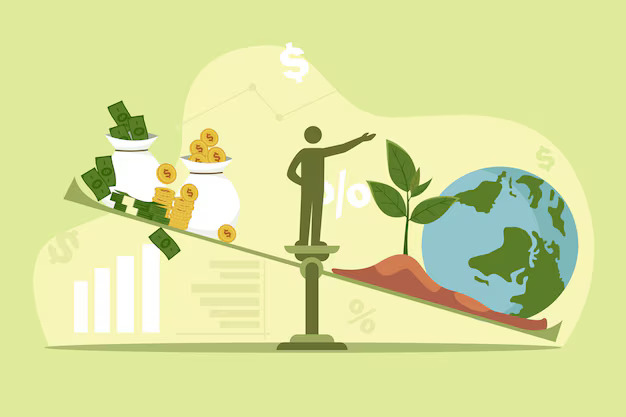
At the household level, poverty reduction directly improves the ability of families to manage financial risk. When people earn a stable income, they can save, plan, and invest in their futures. Furthermore, access to education, healthcare, and decent housing reduces the costs that otherwise trap low income households in cycles of debt and deprivation.
SDG 1 targets specifically address access to economic resources and opportunities. This includes rights over land, inheritance, and financial services. Consequently, households gain the tools they need to build buffers against adversity. Consider a farming household in a low income country. With access to crop insurance and a savings account, a drought becomes a setback rather than a catastrophe. Without those tools, the same drought can lead to years of deepened poverty. This is why income security and resource access are not just welfare measures. They are structural resilience mechanisms.
Supporting Small Businesses and Local Economies
Small and medium enterprises are the backbone of most developing economies. They generate employment, circulate local capital, and create supply chains that support entire communities. However, small businesses in high poverty areas often face significant barriers, including limited credit access, weak infrastructure, and unreliable markets.
SDG 1 creates conditions that support entrepreneurship and local economic development by addressing those underlying barriers. When communities have better access to financial services and legal protections, more people can start and sustain businesses. This, in turn, generates employment and circulates income locally.
For example, a community cooperative in rural Kenya supported by microfinance and business training helped over 200 women launch small agribusinesses within three years. Their success not only improved household incomes but also strengthened the local food supply chain, creating a ripple effect of community economic resilience. This aligns closely with the work covered in SDG 1 and microfinance as a tool for poverty reduction.
The Role of Social and Financial Systems
Resilient economies require more than individual effort. They require systems that catch people when they fall. Social protection measures, including cash transfers, unemployment benefits, pensions, and food assistance, serve exactly that function. Moreover, they are among the most direct tools for preventing poverty from becoming entrenched.
SDG 1 explicitly calls for the implementation of nationally appropriate social protection systems. These systems do several things at once:
- They smooth consumption during economic downturns
- They keep children in school rather than in labor markets
- They protect health and nutrition during crises
- They reduce the cost of recovery after shocks
- They enable long term economic participation
Inclusive financial access is equally critical. When people can access affordable credit, savings products, and insurance, they gain the ability to invest in themselves and their communities. As detailed in SDG 1 and financial inclusion, expanding financial access is one of the most effective ways to move people permanently out of poverty. Together, strong social protection and inclusive finance create the institutional backbone that long term economic security requires.
Technology and Economic Inclusion
Digital technology is rapidly changing what economic inclusion looks like. Mobile banking platforms now allow people in remote rural areas to access financial services without visiting a physical bank. Digital marketplaces connect small producers to national and global buyers. And data systems help governments target social protection to those who need it most.
Additionally, innovation is unlocking new opportunities for communities that were previously excluded from formal economic participation. Fintech solutions, digital identity systems, and satellite based agricultural tools all contribute to stronger economic resilience at the community level. However, for technology to bridge divides rather than widen them, digital access must be treated as a development priority in its own right. Connectivity without affordability, literacy, and relevant content leaves the most vulnerable populations behind. SDG 1 provides the broader development context within which digital inclusion efforts must be embedded. This connection is explored further in our post on how AI is revolutionizing sustainable business practices.
Challenges to Building Economic Resilience
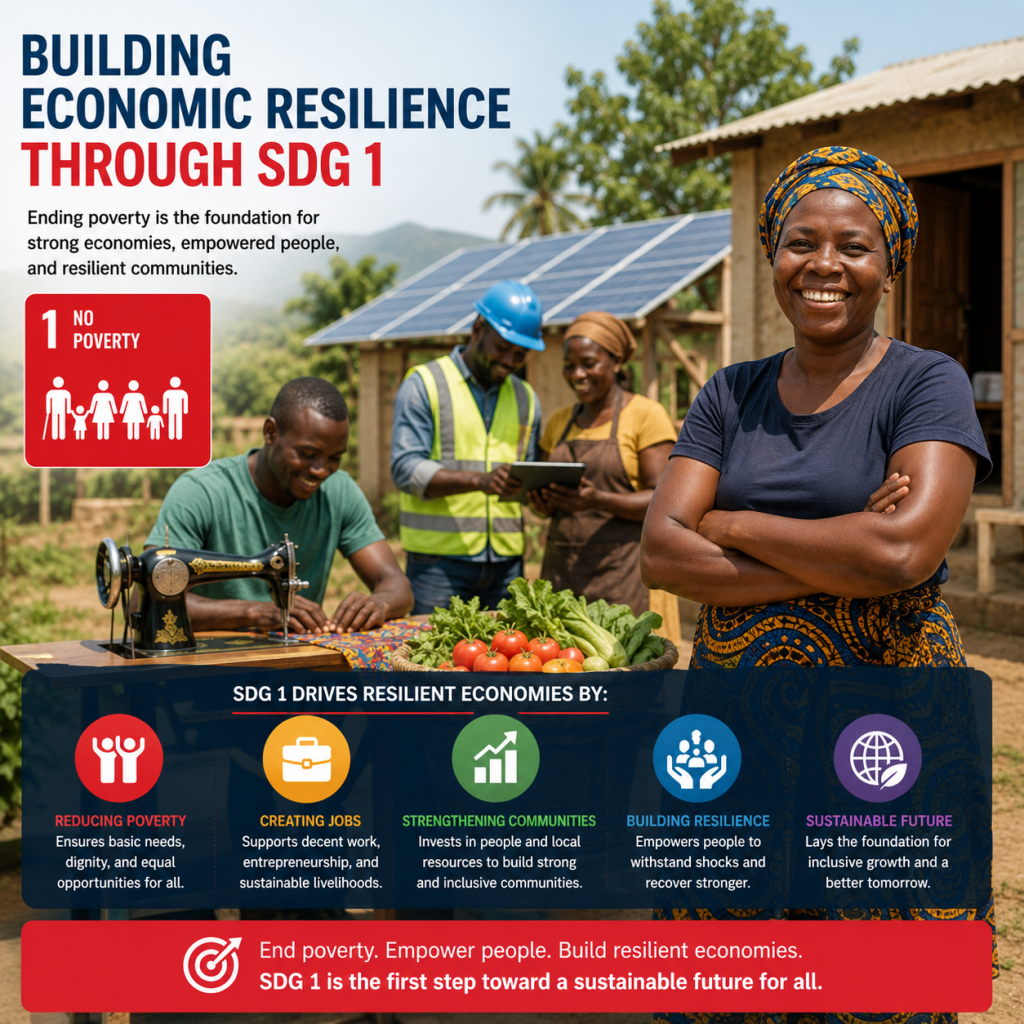
Despite clear progress in some regions, significant challenges remain in achieving the resilience that SDG 1 envisions. These include:
Economic inequality continues to limit the gains from growth. When income and wealth concentrate at the top, broad based resilience remains out of reach. Limited access to services, particularly in health, education, and financial systems, prevents households from building the buffers they need. External economic pressures, including commodity price volatility, climate shocks, and global financial instability, disproportionately affect low income communities that have the least capacity to absorb them.
Furthermore, conflict and political instability disrupt progress in some of the regions where SDG 1 is most urgently needed. Addressing these barriers therefore requires coordinated action across government, business, and civil society.
Strategies for Long Term Poverty Reduction
Effective strategies for long term poverty reduction go beyond emergency relief. They require systemic change that creates durable conditions for prosperity.
Cross sector collaboration is essential. Governments, private sector actors, NGOs, and international institutions must align their efforts around shared targets. When businesses invest in community economic development and governments create enabling policy environments, the results are far more powerful than any single actor could achieve alone. Sustainable investment approaches also play a critical role. Impact investing, blended finance, and ESG aligned capital allocation direct resources toward communities and sectors that need them most. This builds both economic opportunity and resilience over time. As examined in SDG reporting and investments, aligning investment with SDG targets is increasingly recognized as both an ethical and strategic priority.
Moreover, building adaptive communities means investing in local knowledge, governance, and decision making capacity. Communities that can identify their own needs and lead their own solutions are far more resilient than those that depend entirely on external assistance.
Future Outlook for SDG 1
The outlook for SDG 1 is both urgent and hopeful. On one hand, global poverty reduction progress stalled significantly following the COVID 19 pandemic. On the other, renewed commitments from governments, investors, and development institutions signal growing recognition that resilient economic systems are essential for sustainable development.
Resilient economic systems increasingly integrate social protection, financial inclusion, and environmental sustainability into a single framework. This holistic approach aligns with the interconnected nature of the SDGs themselves, as explored in the 17 SDGs roadmap for global change. Sustainable growth opportunities in sectors like renewable energy, sustainable agriculture, and green infrastructure are creating new pathways out of poverty while also strengthening long term development goals. Consequently, the future of SDG 1 lies not only in reducing poverty counts but in fundamentally restructuring the systems that produce and perpetuate poverty in the first place.
Conclusion
Building economic resilience through SDG 1 is not a single intervention. It is a comprehensive approach to sustainable development that addresses poverty at its structural roots. When households are stable, small businesses thrive, social systems protect the vulnerable, and technology includes rather than excludes, entire economies become more capable of withstanding shocks and seizing opportunities.
Sustained action, inclusive policy, and long term investment are not optional extras. They are the conditions under which SDG 1 can deliver its full potential. The world cannot achieve any of its other development goals on an economically fragile foundation. Therefore, prioritizing resilience through SDG 1 is not just about ending poverty. It is about building the stable, inclusive, and adaptive economies that make all other progress possible.