
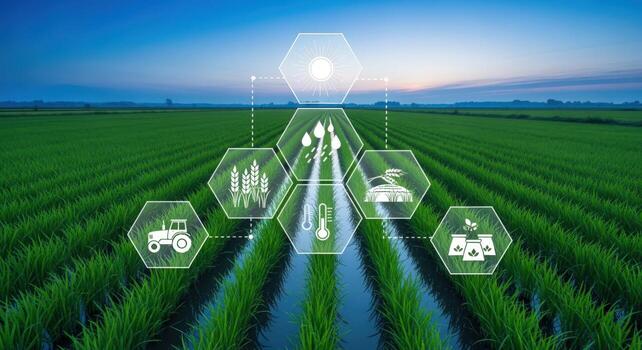
Hunger remains one of the most pressing challenges of our time. Millions of people still lack reliable access to nutritious food. Sustainable agriculture offers a practical path forward. It sits at the heart of Sustainable Development Goal 2, which aims to end hunger and improve nutrition worldwide. As global populations grow, farmland shrinks, and climate patterns shift, traditional farming methods struggle to keep pace. Therefore, sustainable agriculture has become essential rather than optional. It combines productivity with environmental responsibility. As a result, it helps communities produce enough food without depleting the resources future generations will need.
This article explores what sustainable agriculture really means, how it connects to SDG 2, and what practices, innovations, and policies are shaping its future.
What Is Sustainable Agriculture
Sustainable agriculture refers to farming methods that meet current food needs without compromising the ability of future generations to meet theirs. It balances three core dimensions:
- Environmental sustainability, which focuses on protecting soil, water, and biodiversity
- Economic sustainability, which ensures farming remains profitable and viable long term
- Social sustainability, which supports fair wages, safe working conditions, and community wellbeing
Consequently, sustainable agriculture is not a single technique. Instead, it is a holistic approach that considers how farming decisions affect people, ecosystems, and economies together. For example, a farm that uses organic fertilizer but underpays workers cannot be called fully sustainable. Genuine sustainability requires progress across all three pillars simultaneously.
How Sustainable Agriculture Supports SDG 2
SDG 2 aims to end hunger, achieve food security, improve nutrition, and promote sustainable agriculture by 2030. Sustainable farming practices directly support each of these targets.
First, sustainable agriculture improves food production by helping farmers grow more with fewer inputs. Efficient land use and better crop management increase yields over time. Additionally, sustainable methods protect natural resources such as soil fertility and freshwater supplies. Since these resources are finite, protecting them ensures farms can keep producing food for decades rather than a few short seasons.
Furthermore, sustainable agriculture enhances long term food security by making farming systems more resilient to shocks. Droughts, floods, and pest outbreaks can devastate conventional farms overnight. However, sustainably managed farms often recover faster because they rely on diverse crops and healthier soil.
In short, sustainable agriculture is not just an environmental strategy. It is a food security strategy that directly advances the goals set out in SDG 2.
Key Sustainable Farming Practices
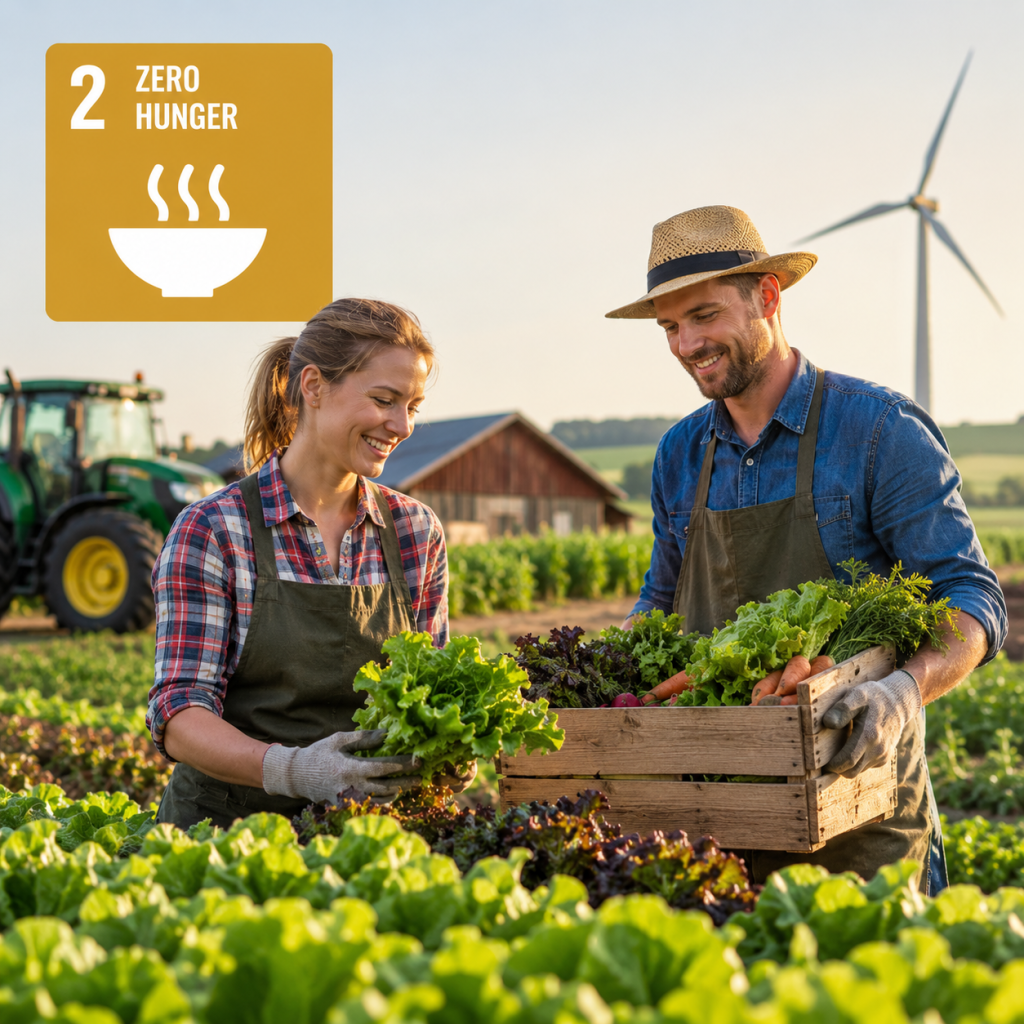
Several practical techniques define sustainable agriculture today. These practices work together to build resilient, productive farming systems.
- Crop rotation, which involves changing crops grown in a field each season to restore soil nutrients and reduce pest buildup
- Soil conservation, which includes techniques like cover cropping and reduced tillage to prevent erosion
- Water efficient irrigation, such as drip systems that deliver water directly to plant roots and minimize waste
- Integrated pest management, which combines biological, cultural, and limited chemical methods to control pests responsibly
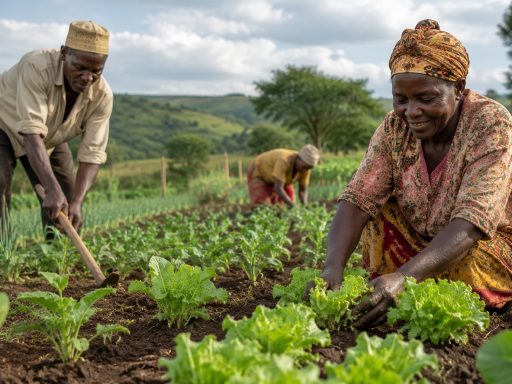
For instance, a mid sized farm in East Africa recently switched from continuous maize planting to a rotation involving legumes. Within three growing seasons, soil nitrogen levels improved naturally. As a result, fertilizer costs dropped by nearly a third while yields increased. This kind of practical shift illustrates how sustainable practices deliver measurable results, not just theoretical benefits.
Benefits of Sustainable Agriculture
The advantages of sustainable agriculture extend well beyond environmental protection. Consequently, farmers, communities, and economies all gain from this approach.
- Increased productivity, since healthier soil and better resource management lead to stronger yields over time
- Climate resilience, because diverse cropping systems and healthy ecosystems withstand extreme weather better
- Biodiversity conservation, as sustainable farms often preserve habitats for pollinators and beneficial organisms
- Improved farmer livelihoods, since reduced input costs and stable yields translate into steadier income
Moreover, these benefits reinforce one another. A farm with better biodiversity often experiences fewer pest outbreaks. Meanwhile, healthier soil requires less irrigation, which lowers costs further. Together, these outcomes create a positive cycle that strengthens both food systems and rural economies.
Challenges Facing Sustainable Agriculture
Despite its clear benefits, sustainable agriculture faces significant obstacles. Understanding these challenges helps explain why progress toward SDG 2 remains uneven. Climate change continues to disrupt rainfall patterns and increase extreme weather events. Consequently, farmers face unpredictable growing seasons that complicate planning. Additionally, limited access to technology prevents many smallholder farmers from adopting modern sustainable tools, particularly in developing regions. Rising production costs also present a real barrier. Sustainable inputs and equipment sometimes carry higher upfront costs, even though they save money long term. Meanwhile, land degradation from decades of intensive farming has left many soils depleted, making the transition to sustainable methods slower and more difficult.
Nevertheless, these challenges are not insurmountable. They simply highlight where investment, education, and innovation need to focus.
Innovation in Sustainable Farming
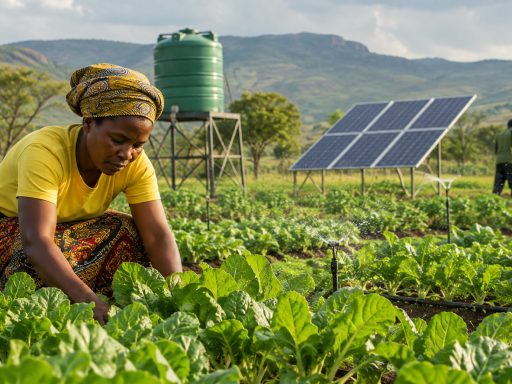
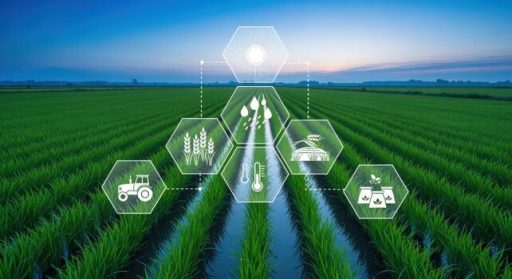
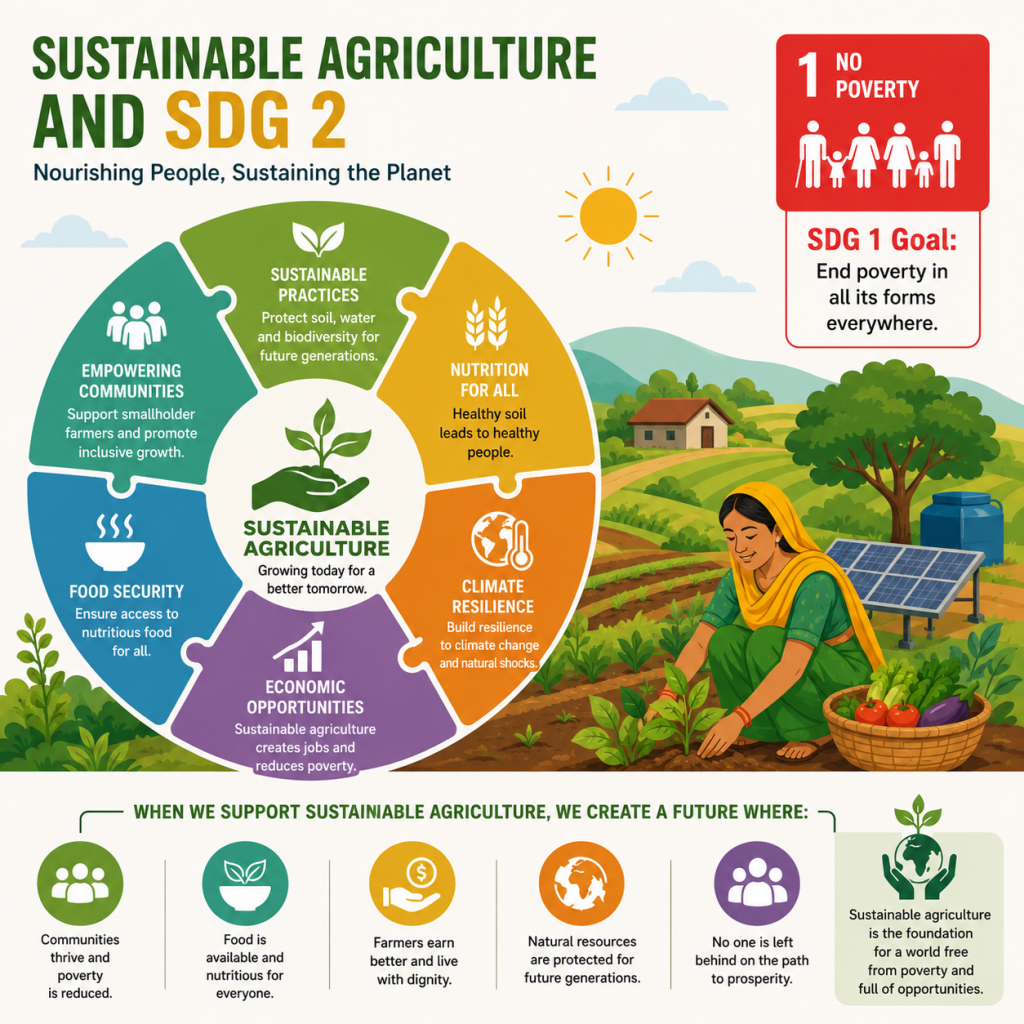
Fortunately, technology is helping farmers overcome many of these challenges. Innovation is accelerating the shift toward sustainable agriculture worldwide. Precision agriculture allows farmers to apply water, fertilizer, and pesticides only where needed, reducing waste significantly. Similarly, smart irrigation systems use sensors to monitor soil moisture and adjust water delivery automatically. This prevents both overwatering and drought stress. In addition, AI and satellite monitoring now help farmers track crop health, predict yields, and detect pest outbreaks early. These tools were once available only to large agribusinesses. However, mobile based platforms are making them increasingly accessible to smallholder farmers too. Other sustainable farming technologies, such as solar powered equipment and biodegradable packaging for produce, are also gaining traction. Together, these innovations show that sustainability and modern technology can work hand in hand rather than in opposition.
The Role of Governments and Businesses
Sustainable agriculture cannot scale through individual farmer efforts alone. Governments and businesses play a critical supporting role.
Agricultural policies that offer subsidies for sustainable practices encourage wider adoption. For example, tax incentives for water efficient irrigation systems can accelerate uptake significantly. Meanwhile, sustainable investments from private companies help fund research, infrastructure, and training programs that individual farmers cannot afford alone.
Farmer education and partnerships also matter greatly. When agricultural extension services teach practical techniques like crop rotation and integrated pest management, adoption rates rise. Similarly, partnerships between corporations and farming cooperatives often provide access to better seeds, tools, and markets.
Ultimately, this collaborative approach between public policy and private investment creates the conditions needed for sustainable agriculture to thrive at scale.
Conclusion
Sustainable agriculture stands as a cornerstone of progress toward SDG 2. It offers a realistic way to increase food production while protecting the natural resources that farming depends on. From crop rotation to precision technology, the tools already exist to build a more resilient food system.
However, real progress requires collaboration. Farmers, governments, businesses, and communities must work together to overcome challenges like climate change and limited access to technology. As innovation continues and policies evolve, sustainable agriculture will play an increasingly central role in ending hunger. Looking ahead, the path to a food secure world depends on choices made today. By investing in sustainable practices now, we can build a resilient, equitable food future for generations to come.