
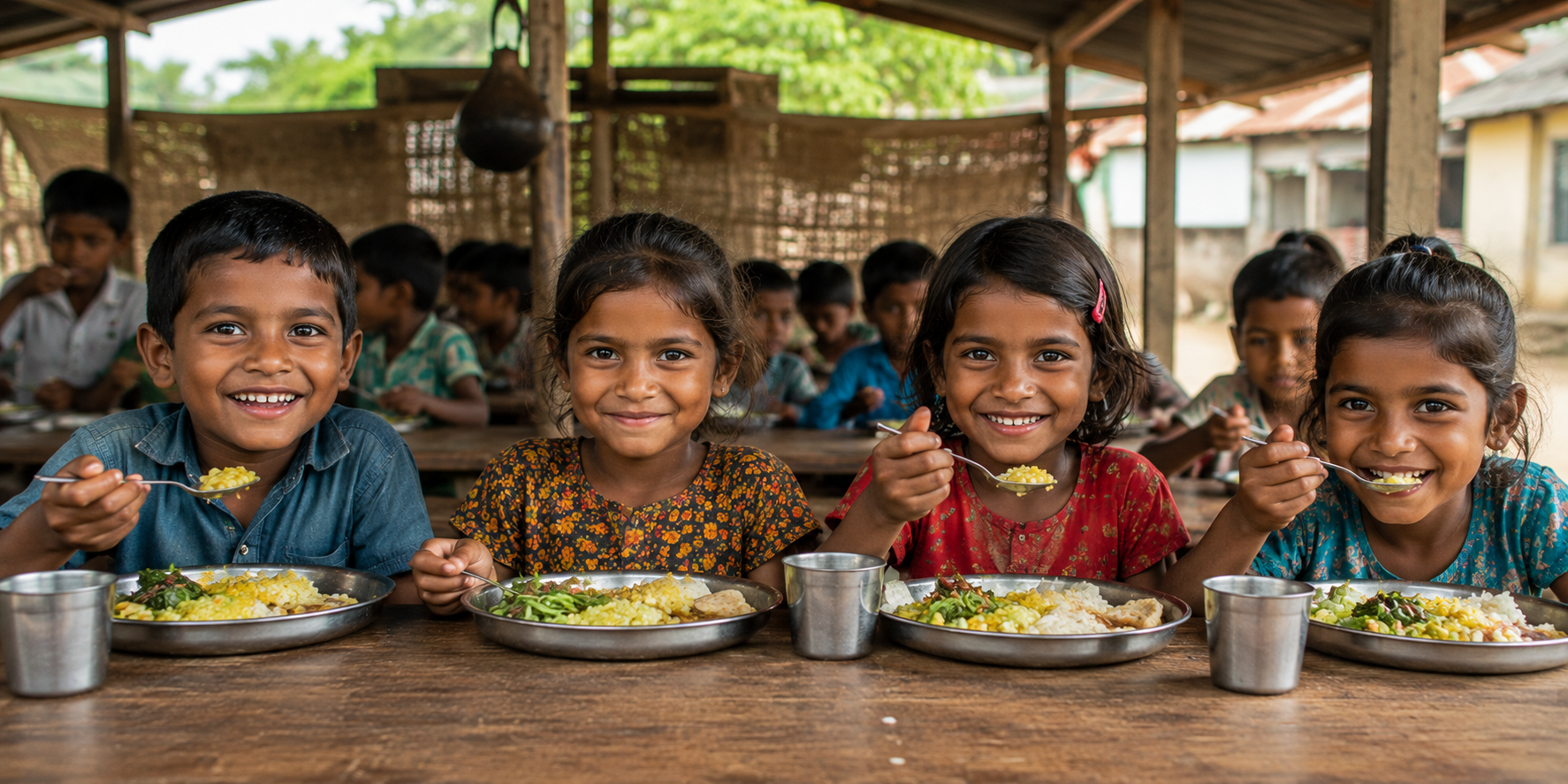
Ending hunger means more than filling stomachs. It means ensuring people receive food that actually nourishes them. Nutrition sits at the very core of Sustainable Development Goal 2, which calls for zero hunger, improved food security, and better nutrition worldwide. These three elements work together, and none can succeed fully without the others.
Many discussions about hunger focus only on food quantity. However, ending hunger also requires access to nutritious food, not just calories. A person can consume enough food each day and still suffer from malnutrition if that food lacks essential vitamins, minerals, and protein. Consequently, nutrition has become just as important as production when measuring real progress toward SDG 2.
This article explores what good nutrition actually means, why it matters for global development, and what stands in the way of building healthier food systems worldwide.
What Is Good Nutrition
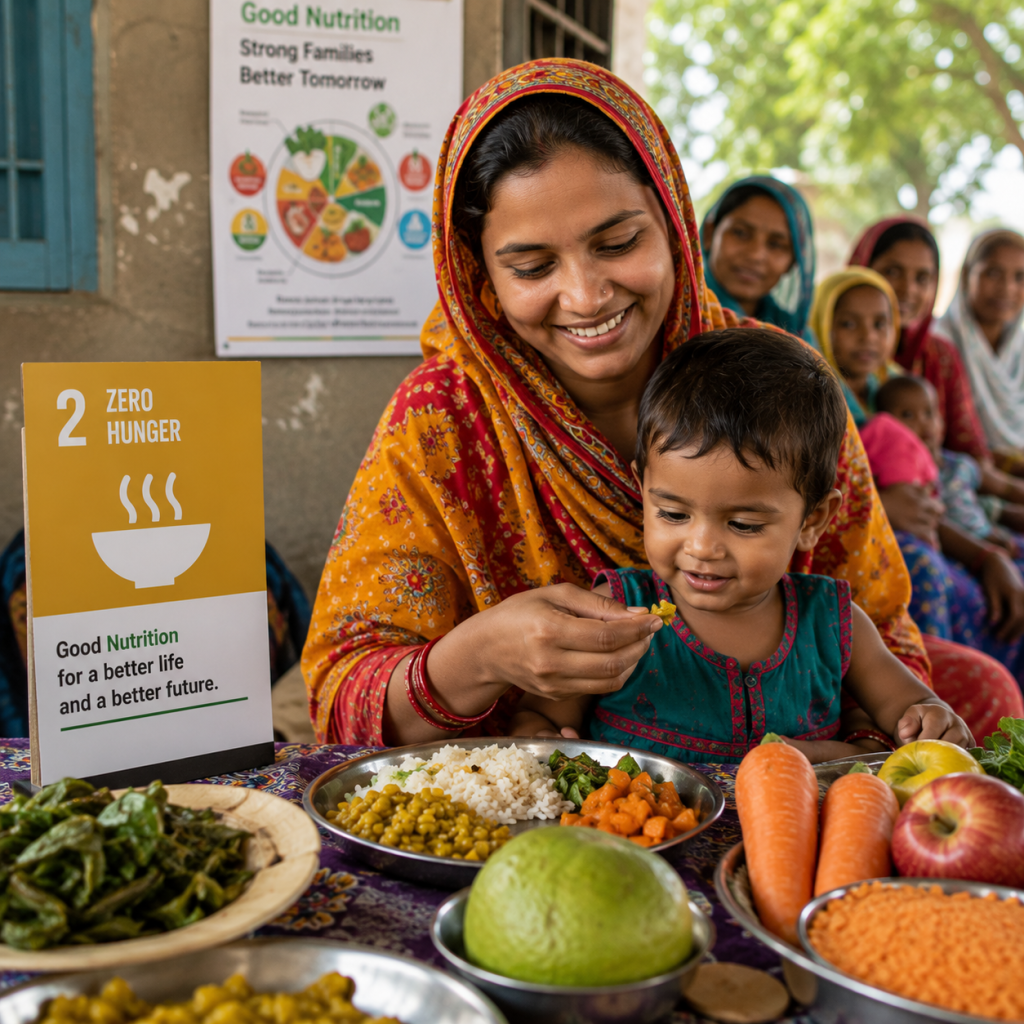
Good nutrition refers to consuming a balanced and nutritious diet that provides the body with everything it needs to function, grow, and remain healthy. This includes adequate protein, essential vitamins, minerals, healthy fats, and sufficient calories, all in the right proportions. A balanced diet varies by region and culture, but the underlying principle stays consistent everywhere. The body needs diverse nutrients working together, not just a full plate.
There is an important difference between food availability and nutritional wellbeing that often gets overlooked. Food availability simply means people have enough food to eat, measured largely in calories. Nutritional wellbeing, however, measures whether that food actually supports health and development. For example, a diet built almost entirely around a single starchy staple crop might prevent hunger in the short term. Nevertheless, it can still lead to serious nutrient deficiencies over time, particularly in children whose growth depends on varied nutrition. Therefore, addressing hunger requires looking beyond calorie counts toward genuine dietary quality.
How Nutrition Supports SDG 2
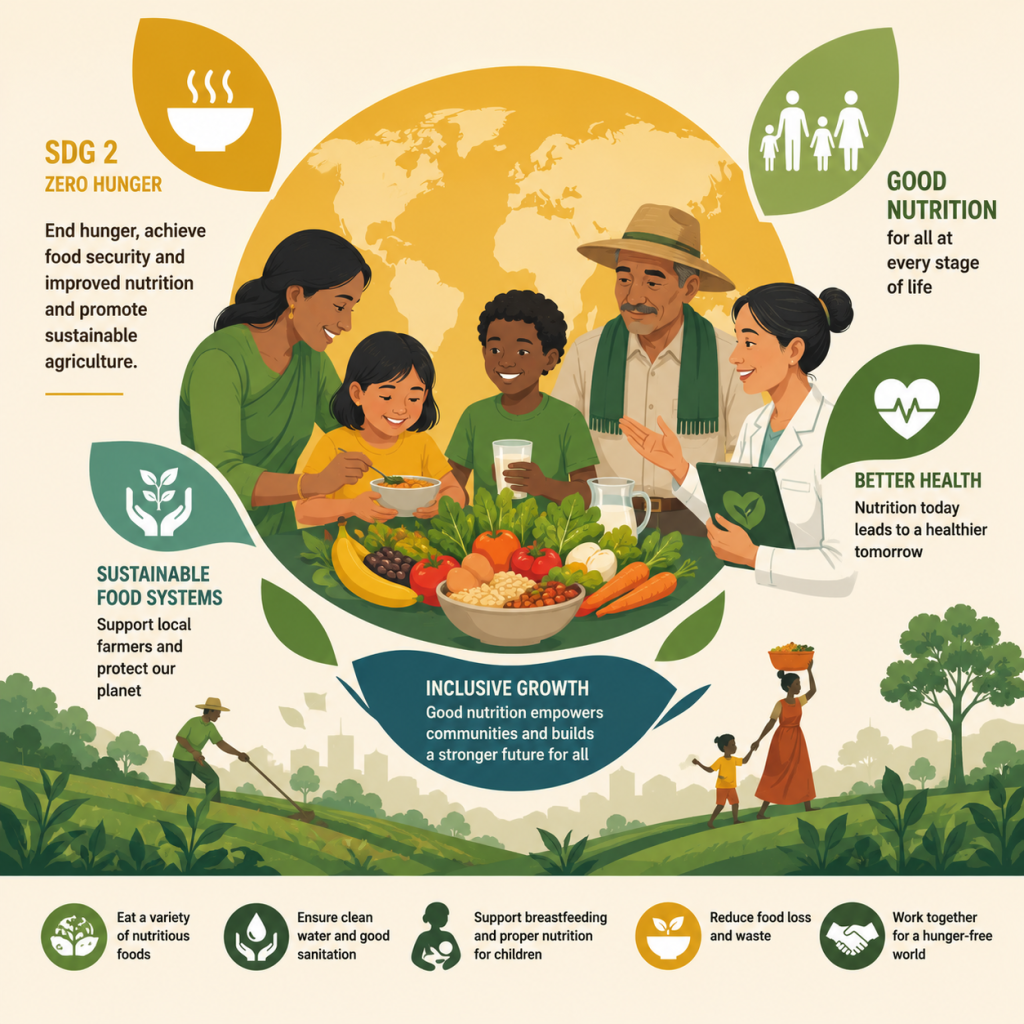
Nutrition directly advances the goals outlined in SDG 2 in several interconnected ways.
First, proper nutrition plays a central role in reducing malnutrition, which remains one of the most damaging consequences of poor food systems. Malnutrition includes both undernutrition and micronutrient deficiencies, and it affects hundreds of millions of people globally, particularly young children and pregnant women. When communities gain access to nutrient rich foods, rates of stunting, wasting, and related health conditions decline significantly.
Additionally, good nutrition improves health and productivity across entire populations. Well nourished individuals experience fewer illnesses, recover faster from disease, and maintain higher energy levels throughout the day. Consequently, this translates directly into stronger workforce productivity and reduced healthcare costs for families and governments alike.
Furthermore, nutrition supports long term human development in ways that extend far beyond physical health. Proper nutrition during early childhood, especially the first thousand days of life, shapes cognitive development and lifelong learning capacity. As a result, investing in nutrition today creates ripple effects that benefit education outcomes, economic potential, and community resilience for generations to come.
Major Causes of Poor Nutrition
Several interconnected factors drive poor nutrition across different communities and regions.
Food insecurity remains one of the most direct causes, since households without reliable food access often prioritize quantity over quality when resources run short. Meanwhile, poverty and affordability compound this problem significantly. Nutritious foods like fresh produce, dairy, and lean protein frequently cost more than calorie dense processed alternatives, making healthy eating financially difficult for low income families.
Limited access to diverse foods also contributes heavily to poor nutrition, particularly in remote or underserved areas where grocery options remain scarce. In these regions, communities often rely on a narrow range of staple crops, which limits nutrient variety even when overall food quantity seems adequate. Additionally, disruptions in food systems, whether caused by conflict, natural disasters, or supply chain breakdowns, can suddenly cut off access to nutritious options that communities previously relied upon. Together, these overlapping factors create persistent nutritional gaps that simple food aid alone cannot fully resolve.
The Role of Sustainable Food Systems
Sustainable food systems play a critical role in closing nutritional gaps at their source. Producing nutritious food sustainably means growing diverse crops using methods that protect soil, water, and biodiversity, rather than focusing exclusively on high yield staple crops. This approach naturally increases the variety of nutrients available within local food supplies.
Improving access to diverse food sources represents another essential piece of this puzzle. When farming systems support multiple crop types, along with livestock or fish where appropriate, communities gain access to a broader nutritional base rather than depending on a single food source. Consequently, this diversity provides natural resilience against both nutritional deficiencies and supply disruptions.
Connecting agriculture with nutritional outcomes requires intentional planning rather than assuming increased production automatically improves diets. For instance, a regional agricultural program in East Africa recently shifted its focus from maximizing maize yields toward encouraging farmers to intercrop maize with legumes and leafy vegetables. Within two growing seasons, participating households reported more diverse diets and reduced rates of child malnutrition in program areas. This case demonstrates how deliberately linking farming decisions to nutritional goals produces measurable health improvements, not just higher harvest numbers.
Businesses and Better Nutrition
Businesses across the food industry hold significant influence over nutritional outcomes worldwide. Responsible food production involves companies prioritizing nutrient density and ingredient quality, rather than optimizing purely for shelf life or profit margins. When food producers make these choices deliberately, they help shift entire markets toward healthier standards over time.
Sustainable sourcing also matters greatly in this equation. Companies that commit to sourcing diverse, nutritious ingredients directly from smallholder farmers help strengthen local food systems while ensuring supply chains remain resilient. Meanwhile, improving affordability and accessibility remains one of the most challenging yet important responsibilities businesses face. Nutritious food that remains too expensive for average households ultimately fails to solve the nutrition problem, regardless of its quality. Therefore, leading food companies increasingly explore fortification programs, efficient distribution models, and pricing strategies designed specifically to make nutritious options reachable for lower income consumers.
Technology and Nutrition
Technology is opening new pathways for improving nutrition at scale. Digital agriculture tools help farmers grow more diverse and nutrient rich crops by providing data on soil health, optimal planting times, and crop specific guidance that improves both yield and nutritional quality simultaneously.
Nutrition tracking and data collection have also become far more sophisticated in recent years. Mobile health platforms now allow health workers to monitor community nutrition indicators in real time, identifying at risk populations before conditions worsen significantly. Additionally, technology for improving food distribution, including cold storage tracking and route optimization software, helps ensure that nutritious perishable foods reach communities before spoiling. These technological advances collectively reduce the gap between nutritious food production and actual consumption, which has historically been one of the weakest links in the food system.
Challenges to Better Nutrition
Despite meaningful progress, several persistent challenges continue slowing improvements in global nutrition.
- Rising food costs make nutritious options increasingly difficult for low income households to afford consistently
- Unequal access leaves rural and marginalized communities with far fewer nutritious food choices than urban populations
- Climate and supply chain pressures disrupt the availability of fresh, perishable foods that provide essential nutrients
These challenges rarely occur in isolation. Instead, they tend to reinforce one another, creating compounding difficulties for the communities most in need of support. For example, climate disruptions often drive food prices higher, which then deepens existing affordability gaps for already vulnerable households. Addressing these challenges effectively requires coordinated solutions rather than isolated interventions targeting just one factor at a time.
Building a Healthier Food Future
Looking toward the future, sustainable diets that emphasize variety, environmental responsibility, and nutritional adequacy will likely play an increasingly central role in global food strategy. Encouraging populations to consume a wider range of nutrient dense foods benefits both individual health and broader environmental sustainability simultaneously.
Local food systems also offer significant promise for improving nutrition sustainably. When communities strengthen their own regional food production and distribution networks, they reduce dependence on long, vulnerable supply chains while increasing access to fresh, diverse foods. Meanwhile, collaboration between governments, businesses, and communities remains essential for scaling these efforts effectively. No single sector possesses all the resources or expertise needed to solve nutritional challenges alone. Therefore, partnerships that combine policy support, business innovation, and community knowledge tend to produce the most lasting improvements in nutritional outcomes.
Conclusion
Nutrition is central to achieving Zero Hunger because food quantity alone cannot guarantee human health or development. Without adequate nutritional quality, communities can technically have enough food while still suffering the serious consequences of malnutrition.
Combining food security with nutritional quality represents the true path toward achieving SDG 2 fully. As governments, businesses, and communities continue collaborating on sustainable, nutrition focused food systems, the world moves closer to a future where ending hunger genuinely means ensuring every person has access to the nourishment they need to thrive.