
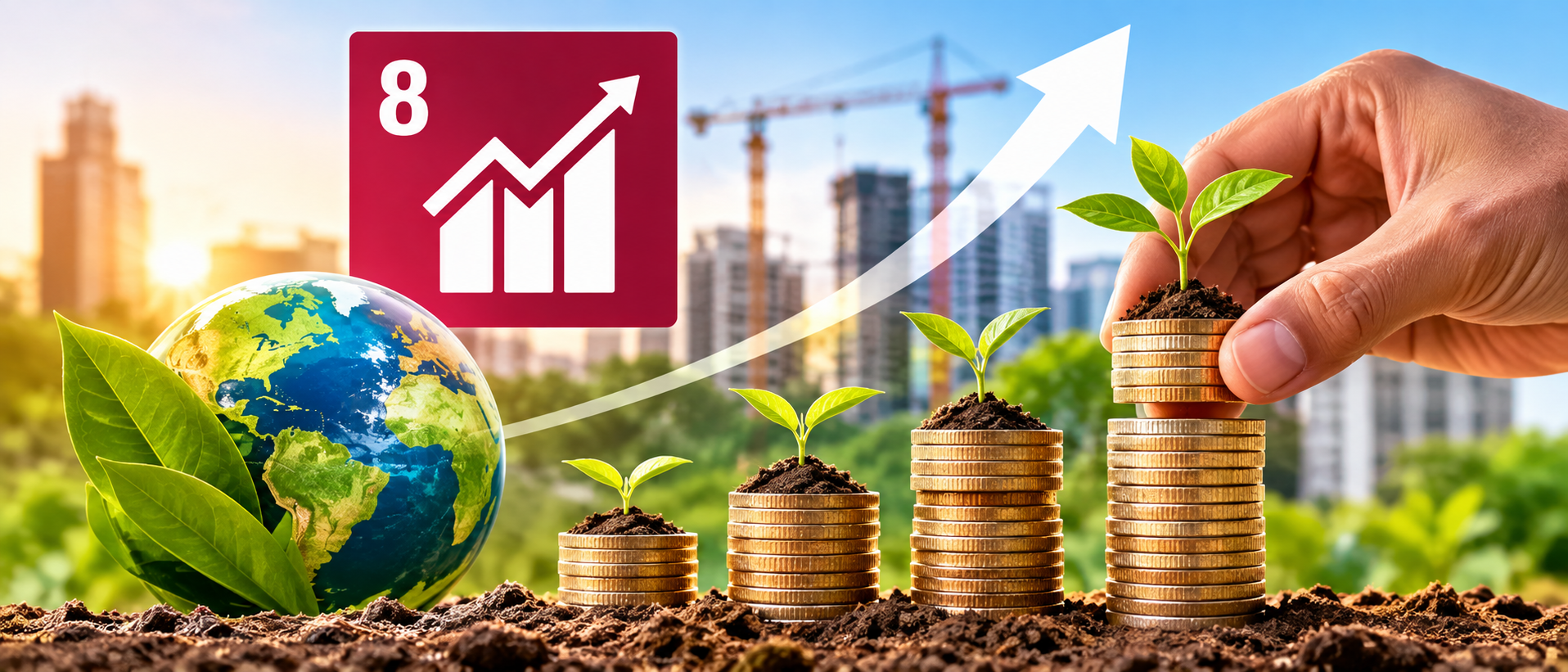
Economic development plays an important role in improving people’s lives. However, increasing production and business profits alone cannot create a strong and balanced economy. Countries also need fair employment, equal opportunities, responsible production, and long-term stability. This is where Sustainable Economic Growth becomes essential.
Sustainable Economic Growth focuses on improving economic performance while protecting social well-being and environmental resources. It encourages businesses to create decent jobs, governments to support inclusive development, and communities to participate in economic progress.
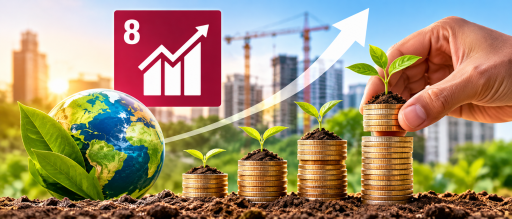
The United Nations includes these priorities in Sustainable Development Goal 8 (SDG 8), which promotes decent work and economic growth for everyone. Through better productivity, innovation, and responsible business practices, countries can build stronger economies that benefit present and future generations.
Understanding Sustainable Economic Growth
What Is Sustainable Economic Growth?
Sustainable Economic Growth refers to long-term economic progress that creates opportunities without exhausting natural resources or increasing social inequality. It focuses on improving productivity, creating employment, and supporting businesses while maintaining economic, social, and environmental balance.
Traditional economic growth often focuses on increasing a country’s production and financial output. In contrast, sustainable economic development considers how this progress affects workers, communities, businesses, and the environment.
For example, a country may experience economic growth when its industries produce more goods and services. However, if this expansion depends on poor working conditions, excessive pollution, or unfair wages, it may not support long-term development.
Sustainable Economic Growth promotes a more responsible approach. It encourages industries to adopt efficient technologies, businesses to provide fair employment, and governments to establish policies that support inclusive opportunities.
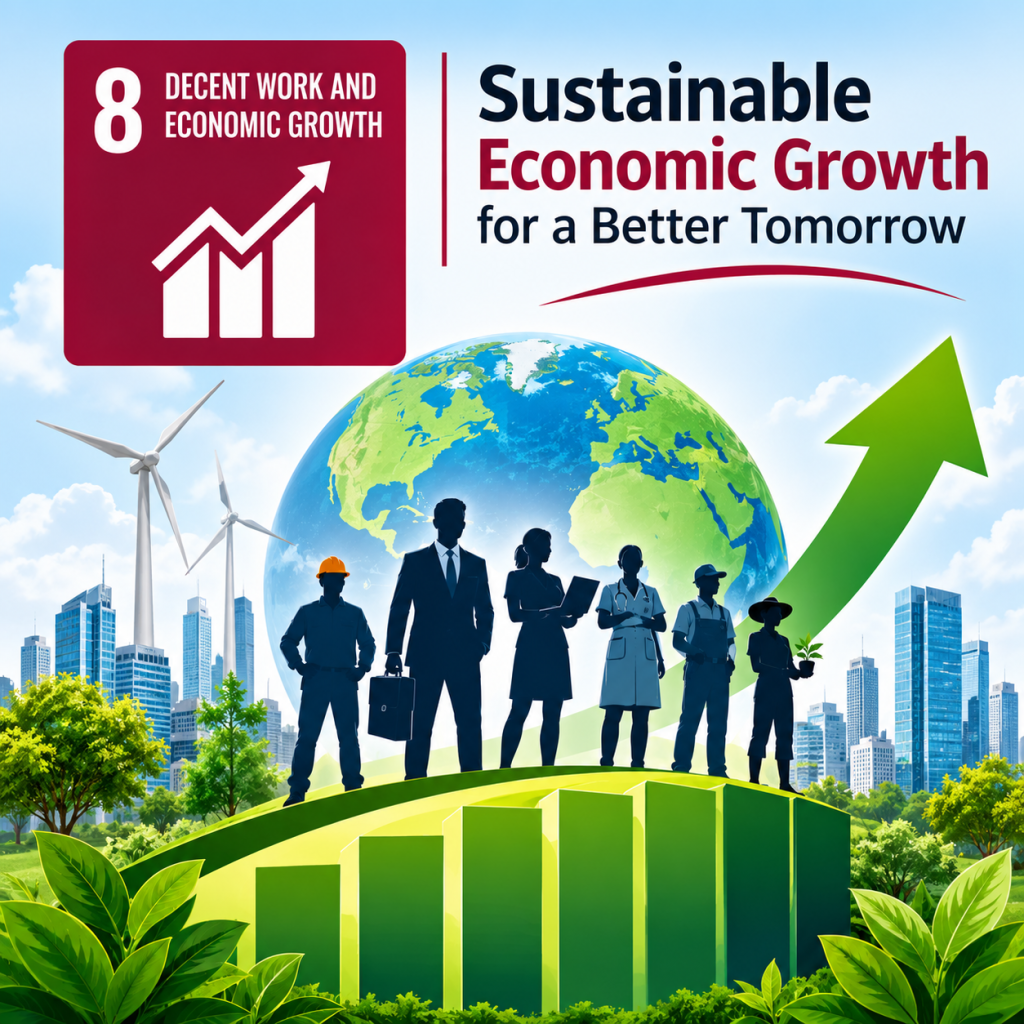
This approach directly supports SDG 8: Decent Work and Economic Growth, which aims to create productive employment and sustainable economic opportunities for all.
Why Sustainable Economic Growth Matters
Sustainable Economic Growth matters because economic progress should improve everyday living conditions rather than benefit only a small part of society.
When countries invest in education, infrastructure, technology, and employment, they create opportunities for individuals and businesses to grow. These improvements can also reduce poverty and strengthen local economies.
Furthermore, sustainable growth helps communities become more resilient during economic uncertainty. Businesses with responsible practices and skilled employees are often better prepared to adapt to changing markets.
Its importance can be understood through several benefits:
- Better living standards: Economic opportunities can improve household incomes and access to essential services.
- Employment creation: Growing industries can generate productive jobs and support financial independence.
- Poverty reduction: Fair access to work and business opportunities can improve economic security.
- Business development: Investment and innovation help companies improve productivity and competitiveness.
- Long-term stability: Responsible economic policies support stronger and more resilient communities.
Therefore, Sustainable Economic Growth is not simply about increasing national income. It is about ensuring that economic progress creates lasting benefits for people and businesses.
Economic Growth vs. Sustainable Economic Growth
Understanding Traditional Economic Growth
Traditional economic growth refers to an increase in the total value of goods and services produced within a country over a specific period. Economists commonly measure this progress through Gross Domestic Product (GDP).
GDP increases when businesses expand production, consumers purchase more products, and industries invest in new facilities or services.
For example, the construction of new factories can increase industrial production. Similarly, higher consumer spending can support retail businesses and create additional economic activity.
Investment, trade, manufacturing, and consumption all contribute to economic growth. However, these improvements do not automatically guarantee better working conditions or equal opportunities. A country may experience rising GDP while some communities continue to face unemployment, low wages, or limited access to essential resources.
What Makes Economic Growth Sustainable?
Sustainable Economic Growth goes beyond increasing economic output. It considers whether economic progress can continue without creating serious social or environmental problems. It promotes efficient resource use, technological development, productive employment, and inclusive opportunities.
For instance, businesses can improve production by adopting energy-efficient machinery and reducing material waste. At the same time, they can invest in employee training and provide safer working environments.
Similarly, governments can support small businesses, improve education systems, and encourage investment in industries that create long-term employment.
The following table highlights the main differences:
| Traditional Economic Growth | Sustainable Economic Growth |
|---|---|
| Focuses primarily on increasing economic output | Focuses on long-term economic progress |
| May prioritise short-term gains | Emphasises lasting economic benefits |
| Growth may not benefit all communities equally | Promotes inclusive opportunities |
| May overlook resource consumption | Encourages efficient resource use |
| Often measures progress through GDP | Considers economic, social, and environmental factors |
Both approaches recognise the importance of economic activity. However, Sustainable Economic Growth places greater emphasis on the quality and long-term impact of that progress.
The Role of SDG 8 in Sustainable Economic Growth
SDG 8 is one of the United Nations Sustainable Development Goals established under the 2030 Agenda for Sustainable Development. Its purpose is to promote sustained, inclusive, and sustainable economic growth, full and productive employment, and decent work for all.
The goal recognises that economic development and employment opportunities are closely connected. Stronger economies need skilled workers, productive businesses, effective institutions, and responsible investment.
According to the United Nations, SDG 8 includes several targets that address productivity, employment, entrepreneurship, and economic inclusion. Two particularly important targets are 8.1 and 8.2. Department of Economic and Social Affairs+1
Promoting Productivity and Innovation
Productivity measures how efficiently workers and businesses turn resources into goods and services. Higher productivity can strengthen economic performance and support better employment opportunities.
However, productivity improvements require investment in technology, education, and innovation.
Businesses can introduce automated systems, digital tools, and modern equipment to improve production processes. These improvements can reduce operating costs, save time, and increase the quality of products and services.
Employee development is equally important. Workers who receive appropriate training can use new technologies more effectively and contribute to business innovation.
SDG 8 Target 8.2 specifically promotes higher productivity through economic diversification, technological upgrading, and innovation. It also encourages investment in high-value and labour-intensive industries.
Supporting Inclusive Economic Development
Inclusive economic growth ensures that economic opportunities reach different communities and income groups.
Women, young people, rural populations, and underserved communities should have fair access to education, employment, finance, and entrepreneurship.
For example, digital training programmes can help young people develop skills for technology-related careers. Similarly, financial support can enable women entrepreneurs to establish small businesses and contribute to local development.
Inclusive growth also reduces economic inequality by allowing more people to participate in productive activities.
When individuals have access to decent employment and business opportunities, they can improve their financial security and contribute to stronger communities.
Important SDG 8 Targets for Economic Development
Two targets are particularly important for Sustainable Economic Growth.
Target 8.1: Sustain Per Capita Economic Growth
Target 8.1 encourages countries to maintain economic growth according to their national circumstances. It also sets a specific ambition of at least 7% annual GDP growth in the least developed countries.
Its purpose is to improve income levels, expand economic opportunities, and support long-term development.
Target 8.2: Improve Economic Productivity
Target 8.2 focuses on achieving higher productivity through innovation, technology, and economic diversification.
It encourages countries to develop high-value industries, improve production systems, and invest in sectors that create productive employment.
Together, these targets demonstrate that economic growth should involve both higher economic output and improved productivity. Department of Economic and Social Affairs+1
How Sustainable Economic Growth Creates Jobs
Employment is one of the most important outcomes of economic development. When businesses expand and industries attract investment, they can create new opportunities for workers.
However, Sustainable Economic Growth focuses on more than increasing the number of available jobs. It also promotes fair wages, safe working conditions, job security, and opportunities for professional development.
Employment Opportunities
Business expansion, infrastructure projects, and investment in new industries can increase employment opportunities.
For example, renewable energy projects require engineers, technicians, construction workers, and maintenance professionals. Similarly, growing manufacturing and technology industries create demand for skilled and semi-skilled employees.
These opportunities allow individuals to earn incomes, support their families, and contribute to national development.
However, job creation must also address the needs of vulnerable groups. Young people, women, and individuals living in rural communities often face additional barriers when entering the labour market.
Governments and businesses can address these challenges through vocational training, employment programmes, and equal hiring opportunities.
Entrepreneurship and Small Businesses
Entrepreneurship is another important driver of Sustainable Economic Growth. Small and medium-sized enterprises (SMEs) support local economies by creating jobs, introducing new products, and encouraging innovation.
Small businesses also provide opportunities for people who may not have access to traditional employment.
For instance, a local food-processing business can create employment for farmers, packaging workers, transport providers, and retailers. This supports several parts of the local economy.
Furthermore, entrepreneurs often identify problems within their communities and develop practical solutions. Their activities can strengthen local supply chains and encourage business growth.
Access to finance, business training, digital tools, and supportive regulations can help these enterprises become more productive.
Key Drivers of Sustainable Economic Growth
Different factors contribute to economic development. The following table explains how important growth drivers support stronger economies.
| Growth Driver | Economic Contribution |
|---|---|
| Investment | Expands businesses and infrastructure |
| Innovation | Improves productivity and competitiveness |
| Education and Skills | Develops a capable workforce |
| Entrepreneurship | Creates new businesses and employment |
| Resource Efficiency | Reduces waste and supports long-term sustainability |
These drivers work together to support economic stability. For example, investment in education can improve workforce skills, while technological innovation can help businesses increase productivity.
As a result, countries can develop stronger industries and create more sustainable employment opportunities.
Challenges to Sustainable Economic Growth
Although economic development creates many opportunities, countries face several challenges when trying to achieve long-term and inclusive progress.
These challenges can affect businesses, workers, investment, and the ability of communities to benefit from economic improvements.
Unemployment and Economic Inequality
Unemployment remains a major barrier to Sustainable Economic Growth. When people cannot find suitable work, they may struggle to support their families and maintain financial security.
Economic inequality creates another challenge. In some countries, economic opportunities are concentrated in particular regions or among higher-income groups.
For example, urban communities may have better access to education, employment, and financial services than rural populations. This difference can limit economic participation and increase income inequality.
Governments can address these issues by investing in education, supporting small businesses, improving employment services, and promoting equal opportunities.
According to the United Nations’ 2025 SDG reporting, global unemployment reached 5% in 2024. However, youth unemployment remained much higher at 12.9%. Around one in five young people worldwide were also not in employment, education, or training. UNSD+1
These figures demonstrate why employment policies must focus on young people and other groups facing barriers to decent work.
Economic Instability
Economic instability can interrupt business activities and reduce opportunities for investment and employment.
Inflation, financial crises, high borrowing costs, and political uncertainty can make it difficult for businesses to plan for the future.
For example, rising production costs may force companies to increase prices or reduce their workforce. Similarly, high interest rates can discourage entrepreneurs from borrowing money to expand their businesses.
Economic instability also affects households. When the prices of essential goods increase faster than incomes, families may struggle to afford food, housing, healthcare, and education.
Countries can improve economic resilience through responsible financial policies, stronger institutions, diversified industries, and effective investment planning.
Environmental and Resource Challenges
Economic expansion can place considerable pressure on natural resources. Excessive energy consumption, pollution, deforestation, and unsustainable production can create environmental problems. These challenges can also affect long-term economic performance. For instance, water shortages can reduce agricultural production, while air pollution can increase healthcare costs and affect workers’ productivity. Sustainable Economic Growth encourages businesses to adopt cleaner technologies, improve energy efficiency, and reduce unnecessary waste. Governments can also introduce environmental regulations and encourage investment in renewable energy and sustainable infrastructure.
By balancing production with environmental responsibility, countries can protect natural resources while supporting economic development.
The Role of Businesses in Sustainable Economic Growth
Businesses play an important role in achieving SDG 8 because they create employment, provide goods and services, encourage innovation, and contribute to national economies. Their decisions can influence working conditions, resource consumption, and the economic well-being of communities.
Responsible Business Practices
Responsible businesses consider the long-term effects of their operations on employees, customers, communities, and the environment. They can support Sustainable Economic Growth by following ethical business standards, reducing waste, and adopting sustainable production methods. For example, manufacturers can introduce energy-efficient equipment and improve supply chain management. Retail businesses can work with responsible suppliers and reduce unnecessary packaging.
These practices can improve operational efficiency while supporting environmental and social responsibility.
Investing in Employees
Employees are among the most valuable resources of any organisation. Their skills, experience, and productivity influence business performance.
Companies can support economic development by providing professional training, fair wages, safe workplaces, and opportunities for career advancement. Training programmes also help workers adapt to changing technologies and industry requirements.
For example, a manufacturing company that trains employees to operate modern machinery can improve production efficiency while developing a more capable workforce. Moreover, fair employment practices can improve employee satisfaction and strengthen long-term business performance.
Supporting Local Economies
Businesses can contribute to local economic development by purchasing products from local suppliers and working with small enterprises. These partnerships help distribute income across different parts of the economy.
For instance, a hotel that purchases food from nearby farms supports agricultural businesses, transportation services, and local employment. Similarly, large companies can work with smaller suppliers to improve production standards and expand access to markets. Supporting local enterprises can strengthen communities and create additional opportunities for sustainable business growth.
Sustainable Economic Growth in Developing Countries
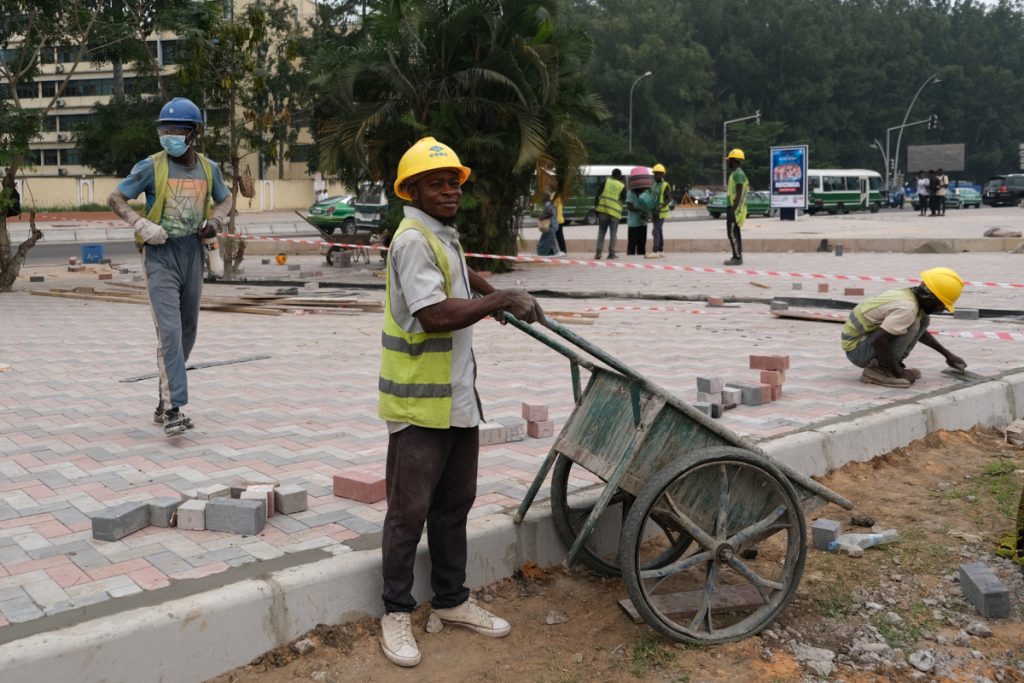
Developing countries often face additional challenges when trying to achieve Sustainable Economic Growth. Limited infrastructure, unemployment, restricted access to finance, and skills shortages can slow economic progress.
However, these countries also have significant opportunities to strengthen their economies through investment, education, technology, and industrial development.
Economic Opportunities
Infrastructure development is an important foundation for economic growth. Better roads, transportation systems, electricity networks, and digital connectivity can help businesses operate more efficiently.
Education and vocational training are equally important. A skilled workforce can support industries that require technical knowledge and specialised abilities.
Technology also creates opportunities for developing countries. Digital financial services, online marketplaces, and modern agricultural systems can help businesses reach new customers and improve productivity.
Furthermore, foreign and domestic investment can support industrial development, create employment, and introduce new technologies.
Barriers to Growth
Despite these opportunities, developing countries often experience several economic barriers.
Limited access to finance makes it difficult for small businesses to purchase equipment, expand operations, or enter new markets.
Inadequate infrastructure can increase transportation costs and reduce business efficiency. Similarly, a shortage of skilled workers can prevent industries from adopting modern technologies.
Other challenges include:
- High unemployment and underemployment.
- Limited access to quality education.
- Economic uncertainty and inflation.
- Unequal opportunities between urban and rural areas.
- Dependence on a limited number of industries.
- Weak access to technology and financial services.
Addressing these barriers requires coordinated efforts from governments, businesses, financial institutions, and development organisations.
Inclusive Development
Economic development should create opportunities for people across different income groups and communities.
Developing countries can strengthen inclusive growth by improving access to education, supporting women-led enterprises, expanding rural infrastructure, and encouraging entrepreneurship.
Financial inclusion is particularly important because individuals and small businesses need access to banking, credit, insurance, and digital payment systems.
When more people can participate in economic activities, communities become better positioned to benefit from development.
Therefore, Sustainable Economic Growth should focus on improving both national economic performance and the opportunities available to individuals.
Measuring Sustainable Economic Growth
Measuring economic progress helps governments, businesses, and development organisations understand whether their policies are producing meaningful results.
GDP is an important economic indicator. However, it does not provide a complete picture of sustainable development.
For this reason, SDG 8 uses several indicators to assess economic performance, productivity, and employment conditions.
Key Indicators of Sustainable Economic Growth
The following indicators help measure progress towards Sustainable Economic Growth:
1. GDP Growth Per Capita
GDP growth per capita measures changes in economic output relative to the population. It helps assess whether average economic production is increasing over time.
2. Labour Productivity
Labour productivity measures the amount of economic output produced by workers. Higher productivity can indicate improvements in technology, skills, and business efficiency.
3. Employment Growth
Employment growth measures changes in the number of people working. It helps determine whether economic development is creating additional job opportunities.
4. Resource Efficiency
Resource efficiency examines how effectively businesses use materials, energy, and other natural resources to produce goods and services.
5. Access to Decent Employment
This indicator considers whether workers have access to fair wages, safe workplaces, social protection, and suitable employment conditions.
Important Economic Growth Indicators
| Indicator | What It Measures | Why It Matters |
|---|---|---|
| GDP Growth | Increase in economic output | Shows overall economic progress |
| Labour Productivity | Output per worker or working hour | Reflects economic efficiency |
| Employment Rate | Share of the population employed | Shows employment opportunities |
| Resource Efficiency | Economic output relative to resource use | Indicates sustainable production |
| Decent Employment | Quality and conditions of available jobs | Measures inclusive employment progress |
What Do Recent Global Statistics Tell Us?
Recent United Nations data highlight both improvements and continuing challenges in achieving SDG 8.
| Indicator | Global Statistics | Year |
|---|---|---|
| Labour Productivity Growth | 1.7% | 2025 |
| Informal Employment | 57.8% | 2024 |
| Global Unemployment Rate | 5% | 2024 |
| Youth Unemployment Rate | 12.9% | 2024 |
Source: United Nations Sustainable Development Goals Reports 2025 and 2026.
These statistics demonstrate that economic progress requires more than increasing production. Countries must also improve employment quality, expand opportunities for young workers, and strengthen productivity.
For example, the global informal employment rate shows that many workers still lack adequate legal protection and social security.
Similarly, the gap between general and youth unemployment highlights the importance of education, vocational training, and employment programmes.
Therefore, monitoring these indicators helps countries identify development challenges and establish more effective economic policies.
A Real-World Case Study: Sustainable Economic Growth in Bangladesh
Bangladesh provides an important example of how investment, export diversification, technology, and employment programmes can support economic development.
For many years, the country’s economy has relied heavily on the ready-made garment industry. This sector has created employment opportunities, supported exports, and increased participation in manufacturing.
However, depending heavily on one industry also creates economic risks. To address this challenge, Bangladesh has been working to diversify exports and strengthen other manufacturing sectors.
Promoting Export Diversification and Employment
The World Bank’s Export Competitiveness for Jobs Project supports businesses outside the traditional garment industry.
The initiative focuses on sectors such as leather goods, footwear, light engineering, and plastics. It helps businesses improve production standards, adopt technology, and meet international environmental, social, and quality requirements.
These improvements allow companies to compete in international markets while creating additional employment opportunities.
According to the World Bank’s February 2026 project results:
- The project helped create nearly 180,000 new jobs in targeted firms, exceeding its original target of 60,000.
- Around 570 businesses received grants to improve export readiness and enter new markets.
- More than 107,000 people benefited directly from the project, with women representing 38% of beneficiaries.
- Export growth in targeted non-garment sectors increased by nearly 83% annually between the 2016 baseline and 2023.
- Participating firms recorded 59% sales growth, exceeding the original target of 15.4%.
Lessons for Sustainable Economic Growth
Bangladesh’s experience demonstrates the importance of economic diversification and investment in business development.
The project also highlights how training, improved technology, and international standards can help companies become more competitive. Most importantly, it shows that economic development can create opportunities beyond traditional industries. However, long-term progress also depends on improving working conditions, supporting formal employment, and ensuring that economic benefits reach different communities.
This case study demonstrates how targeted investment and business support can contribute to SDG 8 by strengthening productivity, promoting entrepreneurship, and creating employment.
Conclusion: Building a Sustainable Economic Future Through SDG 8
Sustainable Economic Growth is essential for building stronger economies and improving living standards. It focuses on creating long-term economic opportunities while protecting social well-being and environmental resources.
Through SDG 8, the United Nations encourages countries to improve productivity, support entrepreneurship, and provide decent employment for everyone. Businesses also have an important responsibility. By investing in employees, adopting responsible production methods, and supporting local suppliers, they can contribute to more inclusive economic development. However, challenges such as unemployment, economic inequality, limited resources, and financial instability still require attention.
Addressing these issues demands cooperation between governments, businesses, workers, and communities. Ultimately, Sustainable Economic Growth is not simply about producing more or increasing national income. It is about creating an economic system where businesses can develop, workers receive fair opportunities, and communities benefit from lasting progress.
Through responsible investment, innovation, and inclusive policies, countries can move closer to achieving SDG 8 and building a better future for everyone.
Frequently Asked Questions (FAQs)
1. What is Sustainable Economic Growth?
Sustainable Economic Growth refers to long-term economic progress that improves living standards, creates employment, and supports businesses while protecting social well-being and natural resources.
2. How does SDG 8 support Sustainable Economic Growth?
SDG 8 promotes inclusive economic development, productive employment, decent work, entrepreneurship, innovation, and improved labour productivity.
3. What are the main benefits of Sustainable Economic Growth?
Its main benefits include job creation, poverty reduction, improved living standards, stronger businesses, economic stability, and better resource efficiency.
4. What are the biggest challenges to Sustainable Economic Growth?
Major challenges include unemployment, economic inequality, inflation, limited access to finance, low productivity, and environmental degradation.
5. How can businesses contribute to Sustainable Economic Growth?
Businesses can contribute by providing fair employment, investing in employee training, supporting local suppliers, adopting efficient technologies, and reducing waste.
6. Why is economic diversification important for SDG 8?
Economic diversification reduces dependence on a limited number of industries. It also encourages innovation, creates new employment opportunities, and improves economic resilience.
7. How is Sustainable Economic Growth measured?
It is measured through indicators such as GDP growth per capita, labour productivity, employment growth, resource efficiency, and access to decent employment.