
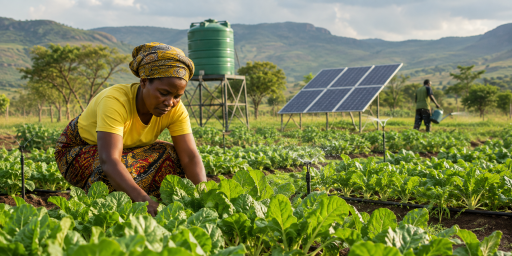
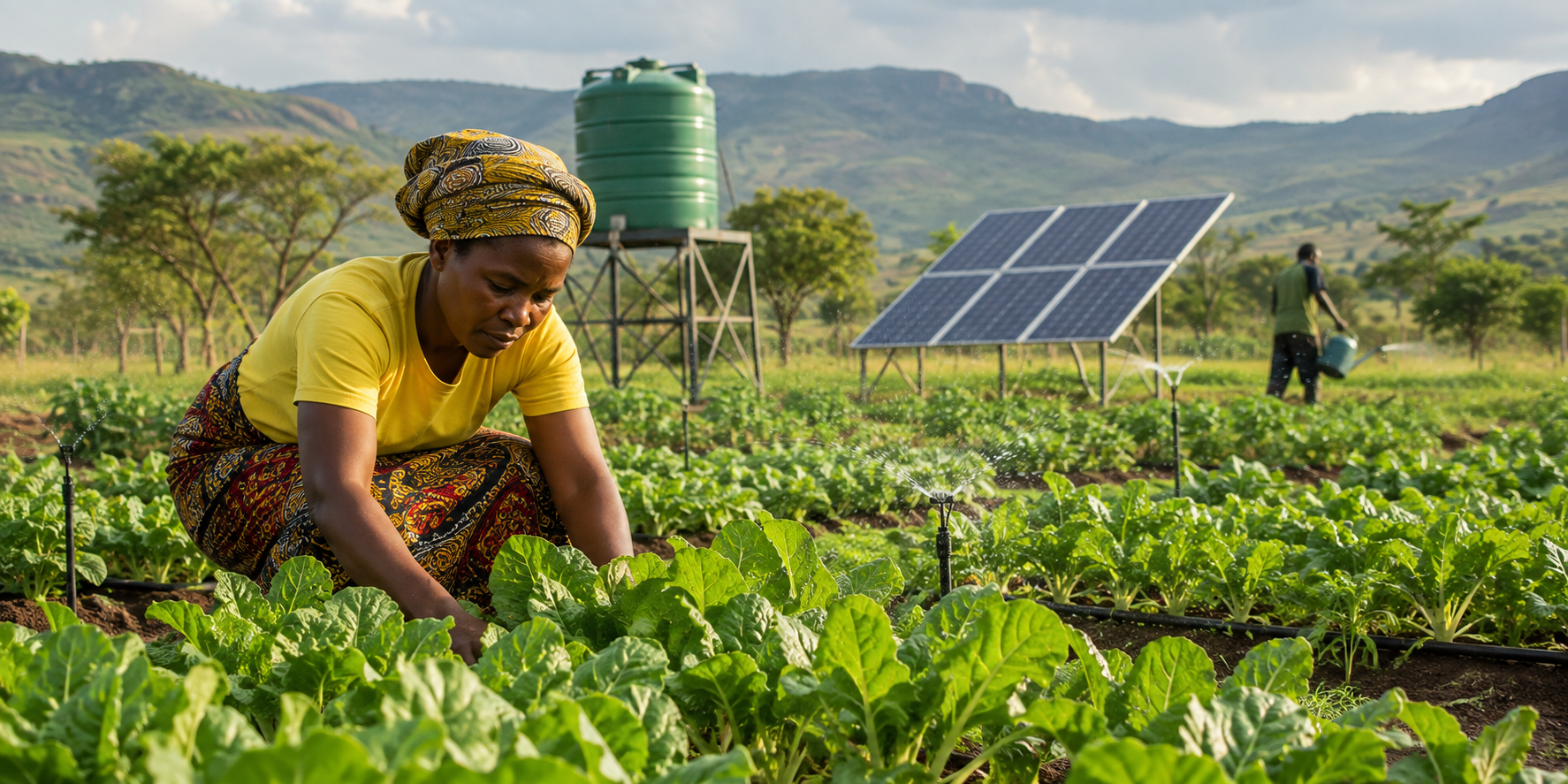
Farmers today face a moving target. Rainfall patterns shift, temperatures rise, and extreme weather events strike with little warning. Climate resilient agriculture has emerged as a direct response to this uncertainty. It sits at the core of Sustainable Development Goal 2, which aims to end hunger and ensure food security for everyone.
As climate related disruptions increasingly threaten crop yields, resilience has become just as important as productivity. Therefore, climate resilient agriculture is essential for achieving SDG 2, since food systems cannot deliver lasting security if they collapse under environmental stress. Without resilience, even the most productive farms remain vulnerable to a single bad season.
This article explains what climate resilient agriculture means, why it matters, and how farmers, businesses, and governments can build stronger food systems together.
What Is Climate Resilient Agriculture
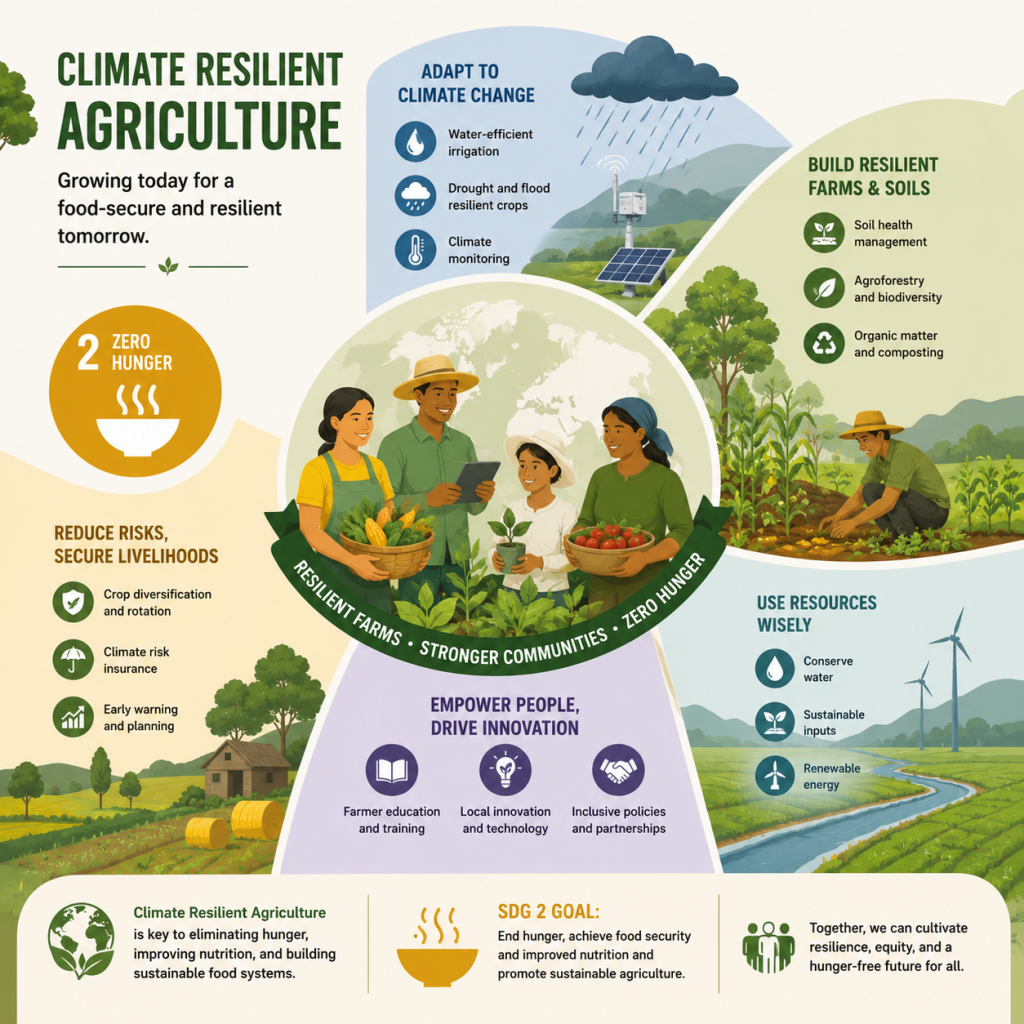
Climate resilient agriculture refers to farming systems designed to withstand and recover from climate related shocks while maintaining stable food production. It focuses on preparing farms for disruption rather than simply reacting after damage occurs.
Several key principles define this approach:
- Diversifying crops and income sources to reduce dependence on a single harvest
- Strengthening soil health so land can absorb and retain water more effectively
- Selecting crop varieties suited to local, changing climate conditions
- Building flexible farming systems that adapt quickly to unexpected weather
Building resilience against climate related risks means farms can bend without breaking. Instead of collapsing after a drought or flood, resilient systems recover faster and continue producing food. Consequently, climate resilient agriculture protects both farmer livelihoods and broader food supply chains.
Climate Change and Food Security
Climate change directly threatens global food security, and its effects are already visible.
Rising temperatures and irregular rainfall reduce crop production in many regions. Consequently, staple crops that once thrived under predictable seasons now struggle under shifting conditions. Additionally, water scarcity has become a growing concern, since agriculture consumes a significant share of freshwater resources globally. As droughts intensify, farmers face difficult choices about how to allocate limited water supplies.
Meanwhile, changing weather patterns disrupt planting and harvesting schedules that farmers have relied on for generations. This unpredictability increases the risk of crop failure significantly. As a result, these combined pressures create serious risks to global food systems. When multiple regions experience poor harvests simultaneously, food prices spike and supply chains strain. Therefore, addressing climate change within agriculture is not optional. It is fundamental to maintaining stable food access worldwide.
Climate Smart Farming Practices
Fortunately, several proven practices help farms build resilience against climate related disruptions.
- Drought resistant crops, which are bred to survive with significantly less water than traditional varieties
- Efficient irrigation methods, such as drip systems that deliver water precisely where crops need it
- Soil conservation techniques, including cover cropping and reduced tillage to improve water retention
- Crop diversification, which spreads risk across multiple crop types rather than relying on a single harvest
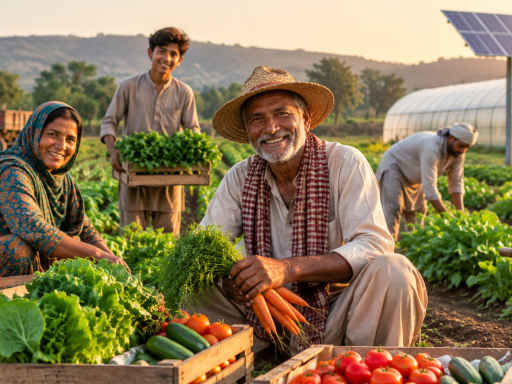
For example, a farming cooperative in a drought prone region of South Asia recently introduced drought resistant sorghum alongside their traditional rice crop. When rainfall dropped significantly below average that season, the sorghum crop still produced a viable harvest. As a result, the cooperative avoided total crop failure and maintained income stability for member farmers. This case illustrates how diversification alone can prevent catastrophic loss.
Benefits of Climate Resilient Agriculture
Protection of natural resources: Climate Resilient Agriculture helps farmers protect essential natural resources such as soil, water, and biodiversity. Practices such as crop rotation, efficient irrigation, agroforestry, and soil conservation reduce pressure on ecosystems. As a result, farms can remain productive while using fewer resources. These methods also support healthier soils and help communities adapt to changing weather conditions.
Stable food production: Climate Resilient Agriculture helps maintain stable food production during droughts, floods, heatwaves, and other climate-related challenges. Farmers can use drought-tolerant crops, water-saving irrigation, improved soil management, and diversified farming systems to reduce production risks. Therefore, these practices support reliable food supplies and contribute directly to SDG 2: Zero Hunger.
Improved farmer livelihoods: Climate Resilient Agriculture can improve farmer livelihoods by reducing crop losses and strengthening farm productivity. When farmers use climate-smart techniques, they can manage weather risks more effectively and protect their sources of income. Diversifying crops and adopting efficient farming methods can also create new opportunities for smallholder farmers and rural communities.
Long-term sustainability: Climate Resilient Agriculture supports long-term sustainability by balancing agricultural production with environmental protection. Farmers can improve soil health, conserve water, reduce resource waste, and strengthen ecosystems while continuing to produce nutritious food. Over time, these practices create stronger food systems that can better support communities and future generations.
Role of Innovation and Technology
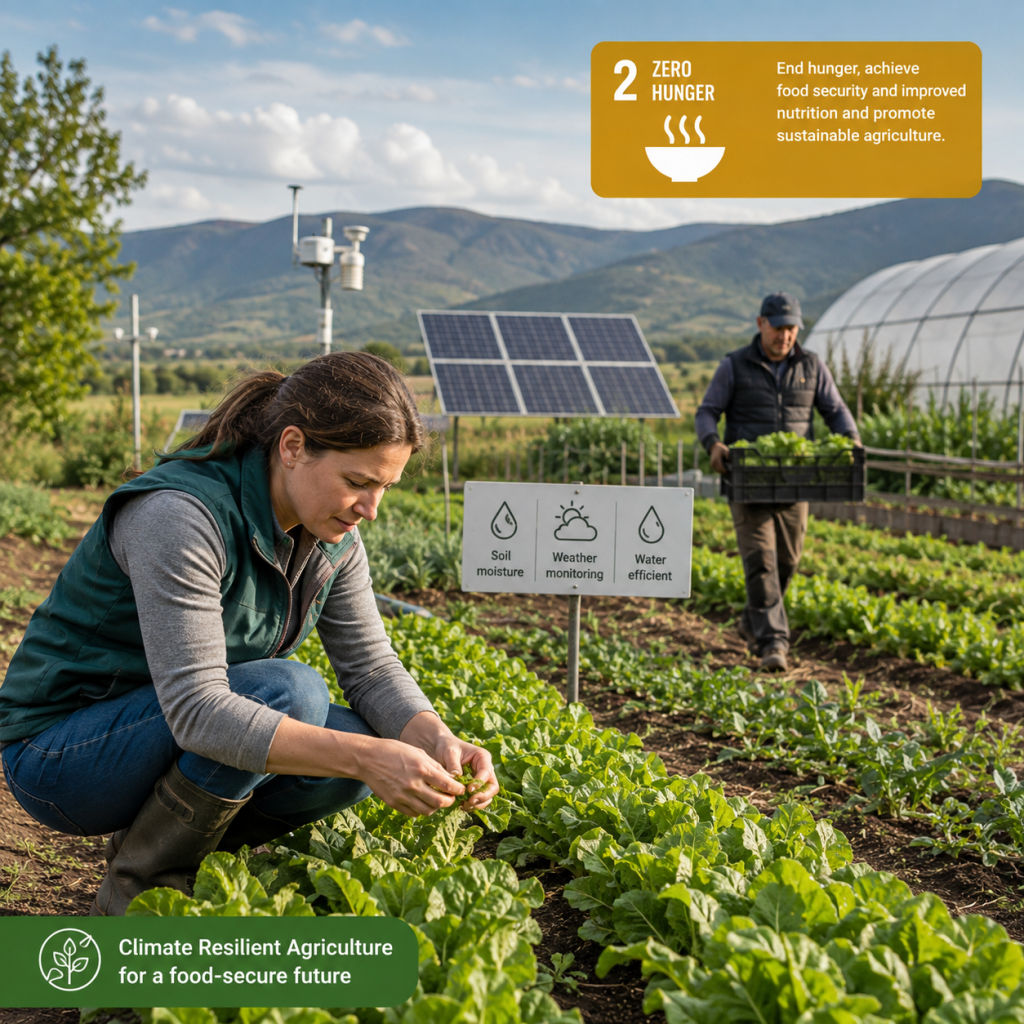
Precision agriculture: Climate Resilient Agriculture uses precision agriculture to help farmers make better decisions with fewer resources. Farmers can use sensors, GPS systems, and smart equipment to monitor crops and soil conditions. As a result, they can apply water, fertilizer, and other inputs more efficiently. This approach improves farm productivity while reducing resource waste and climate-related risks.
Weather forecasting tools: Climate Resilient Agriculture benefits from accurate weather forecasting tools that help farmers prepare for changing conditions. Farmers can receive information about rainfall, heatwaves, storms, and drought risks before they affect crops. Therefore, they can adjust planting dates, irrigation schedules, and other farm activities. Early warnings can reduce crop losses and strengthen food security under SDG 2.
Satellite monitoring: Climate Resilient Agriculture can use satellite monitoring to track crop health, soil conditions, water availability, and changes in farmland. Satellite data gives farmers and agricultural organizations a wider view of potential risks. Consequently, they can identify stressed crops and respond before problems become severe. This technology also supports better planning and more efficient use of land and water.
AI-powered farm management: Climate Resilient Agriculture is becoming more effective through AI-powered farm management systems. Artificial intelligence can analyze weather, soil, crop, and field data to provide useful recommendations. Farmers can use these insights to improve irrigation, detect crop problems, predict yields, and manage resources. In turn, AI can support more productive, efficient, and sustainable food systems while advancing the goals of SDG 2.
Policy and Business Support
Climate resilient agriculture cannot scale without support from governments and businesses.
Government initiatives that fund resilience focused research and provide subsidies for drought resistant seeds help farmers adopt new practices faster. Meanwhile, sustainable agricultural investments from private companies fund infrastructure improvements, such as better irrigation systems, that individual farmers often cannot afford alone.
Public private partnerships also play a valuable role. When businesses collaborate with government agencies and farming communities, they often combine financial resources with technical expertise. This collaboration accelerates the rollout of climate smart practices across entire regions rather than isolated farms.
Challenges and Future Opportunities
Despite clear benefits, several challenges slow the widespread adoption of climate resilient agriculture.
Financial barriers remain significant, since many resilience focused tools and seed varieties carry higher upfront costs. Additionally, technology adoption lags in regions with limited internet access or digital literacy, preventing farmers from benefiting fully from forecasting and monitoring tools.
Scaling climate resilient practices also presents logistical challenges. What works well on one farm does not always translate directly to different soil types or climate zones. Therefore, scaling requires careful adaptation rather than simple replication. Nevertheless, these challenges represent opportunities for targeted investment. As costs decline and digital access expands, climate resilient agriculture will likely become increasingly accessible to smaller farms worldwide.
Conclusion
Climate resilient agriculture is key to achieving SDG 2 because it protects food systems against disruptions that would otherwise undermine years of progress. Without resilience, gains in productivity remain fragile and temporary. Moving forward, securing future food systems will require collaborative action between farmers, governments, and businesses. By investing in climate smart practices and sharing the tools needed to implement them, the global community can build a food system resilient enough to withstand whatever the climate brings next.